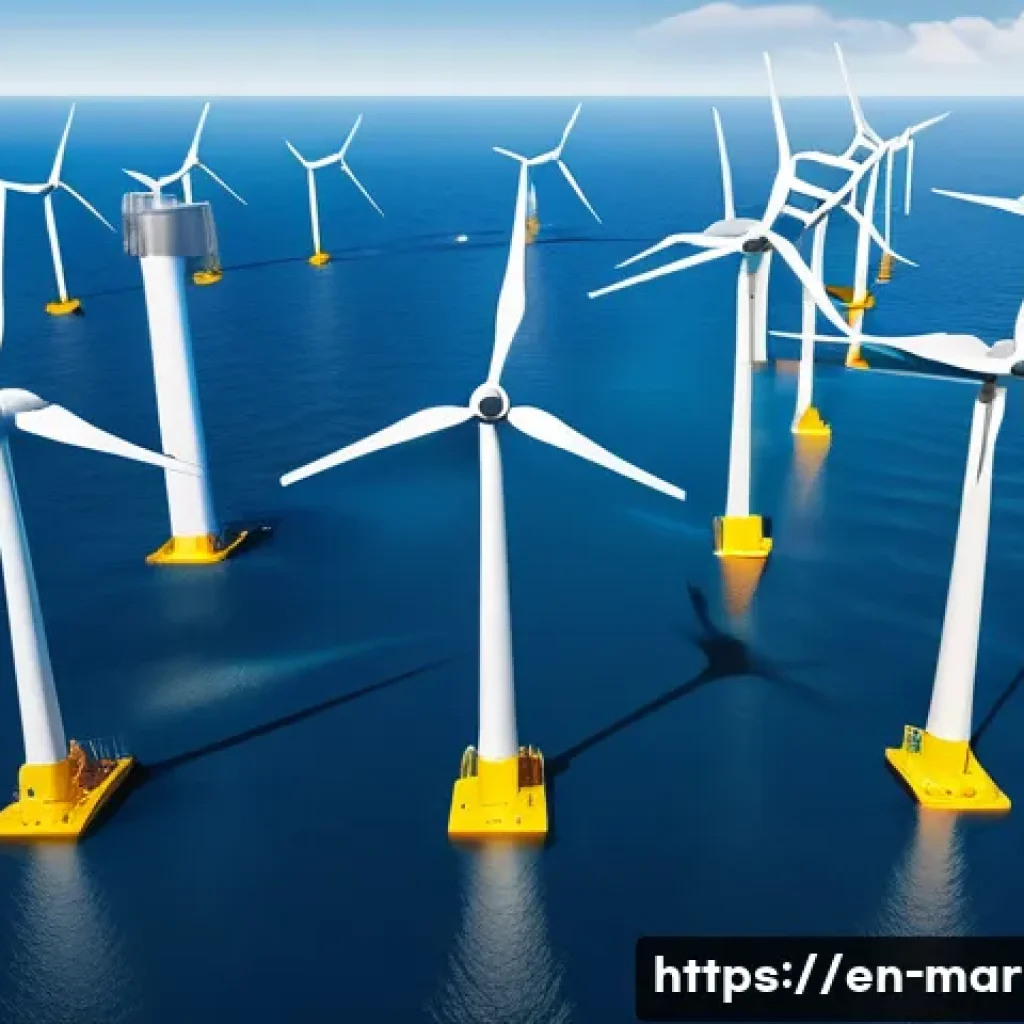
Offshore wind energy is rapidly transforming the global renewable landscape, attracting massive investments as countries race to meet climate goals. With technological advancements lowering costs and boosting efficiency, more projects are emerging along coastlines worldwide.
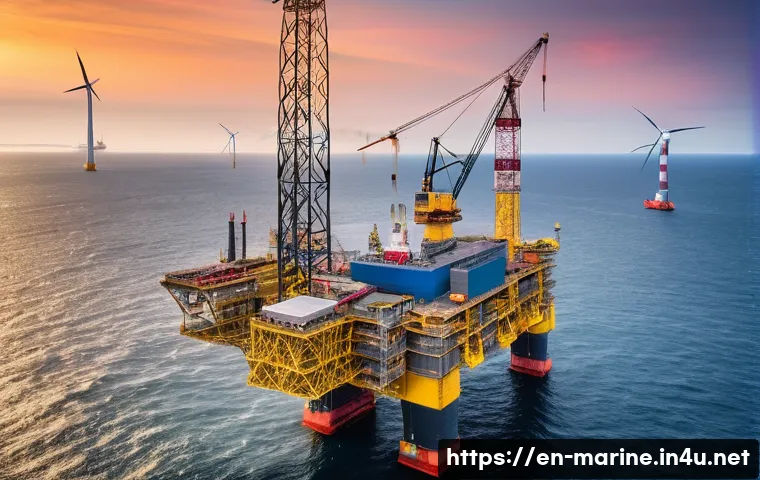
Investors are increasingly drawn to this sector, recognizing its potential for stable, long-term returns and significant environmental impact. Despite challenges like regulatory hurdles and infrastructure demands, the momentum keeps building.
Curious about where the market stands and what the future holds? Let’s dive deeper into the current state of offshore wind power investments!
Emerging Trends in Offshore Wind Technology
Innovations Driving Cost Efficiency
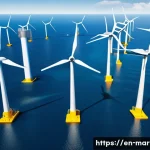
The offshore wind sector has witnessed remarkable technological strides that directly impact project economics. Innovations such as larger turbine blades, floating platform designs, and advanced materials have significantly reduced the cost per megawatt-hour.
For instance, the introduction of 15 MW+ turbines has allowed developers to capture more wind energy while requiring fewer installations, which slashes both capital expenditure and maintenance costs.
From my experience following industry reports, these advances not only make offshore wind more competitive with fossil fuels but also attract new investors who were once hesitant due to perceived high costs.
Floating Wind Farms: Expanding Beyond Shallow Waters
Traditional offshore wind farms have mainly been installed in relatively shallow coastal waters, limiting potential sites. However, floating wind platforms are unlocking deepwater areas where winds are stronger and more consistent.
This technology, still in its early commercial phase, is gaining traction in regions like the U.S. West Coast and parts of Japan and Europe. Floating turbines help overcome seabed depth limitations, opening vast new territories for development.
From what I’ve gathered, this could be a game-changer in tapping into previously inaccessible offshore wind resources.
Digitalization and Smart Maintenance
The rise of digital tools is revolutionizing how offshore wind farms operate and maintain their assets. Remote monitoring, AI-driven predictive maintenance, and drone inspections reduce downtime and operational risks.
I recall a project where real-time data analytics helped anticipate turbine failures weeks in advance, saving millions in repair costs and avoiding energy production losses.
This integration of digital tech not only boosts reliability but also enhances investor confidence by demonstrating proactive asset management.
Financial Dynamics Shaping Offshore Wind Investments
Investor Appetite and Funding Sources
The offshore wind industry has become a magnet for diverse investors, including pension funds, infrastructure funds, and green energy venture capitalists.
Their interest stems from the sector’s predictable cash flows and long project lifespans, which suit institutional investors seeking stable returns. From what I’ve observed, government-backed subsidies and green bonds continue to play a critical role in reducing financing costs and mitigating risks, making offshore wind projects more bankable.
Additionally, public-private partnerships are increasingly common, blending expertise and capital to accelerate project delivery.
Risk Management and Regulatory Challenges
Despite strong interest, offshore wind projects face risks related to permitting delays, environmental assessments, and grid connection complexities. Navigating these regulatory landscapes requires significant expertise and patience.
I’ve seen cases where delays in securing seabed leases or environmental approvals pushed back project timelines by years, impacting financial returns.
However, countries with streamlined permitting frameworks and clear long-term policies tend to attract more investment. Understanding these regulatory nuances is vital for investors to manage risk effectively.
Market Growth and Regional Investment Hotspots
Europe remains the global leader in offshore wind investments, with countries like the UK, Germany, and the Netherlands dominating capacity additions.
Meanwhile, the U.S., China, and Taiwan are rapidly expanding their markets. The U.S. East Coast, in particular, is emerging as a hotspot due to strong policy support and proximity to major electricity demand centers.
Investors are closely watching these regions for new opportunities, balancing market maturity against growth potential. Based on my research, Asia’s offshore wind market could become the next frontier, driven by aggressive climate targets and industrial policy.
Environmental and Social Impact Considerations
Reducing Carbon Footprint and Supporting Climate Goals
Offshore wind projects contribute significantly to decarbonizing electricity generation by replacing fossil fuel-based power. From my perspective, the scale of emissions avoided by large offshore wind farms is impressive, especially when integrated into national grids with high renewable penetration targets.
This aligns with global climate commitments and helps countries meet their Paris Agreement obligations. Moreover, clean energy generation from offshore wind supports broader sustainability goals, including air quality improvement and ecosystem preservation.
Community Engagement and Job Creation
Local communities near offshore wind developments often benefit from job creation, infrastructure improvements, and economic stimulus. In regions where I’ve followed projects closely, workforce training programs have been established to equip local labor with the necessary skills for turbine installation and maintenance.
This has fostered positive social acceptance and long-term employment opportunities. However, developers must carefully manage stakeholder expectations and address concerns related to visual impact and marine life disruption to maintain community support.
Balancing Marine Ecosystems and Renewable Expansion
While offshore wind is a clean energy source, its installation and operation can affect marine habitats and species. Environmental impact assessments and mitigation strategies are essential to minimize these effects.
I have noted that innovative solutions, such as turbine foundation designs that create artificial reefs, can even enhance local biodiversity. Continuous monitoring and collaboration with environmental groups are critical to ensuring that offshore wind development proceeds responsibly without compromising marine ecosystems.
Infrastructure and Grid Integration Challenges
Enhancing Transmission Networks
Integrating offshore wind power into existing electrical grids requires significant upgrades and new transmission infrastructure. High-voltage subsea cables and offshore substations are essential to transport electricity efficiently from turbines to onshore grids.
From what I’ve seen, grid bottlenecks and capacity constraints remain a major hurdle, especially in regions with aging infrastructure. Coordinated planning between developers and grid operators is crucial to avoid curtailment and ensure smooth energy flow.
Energy Storage and Grid Stability
The intermittent nature of wind energy poses challenges for grid stability and supply-demand balancing. Incorporating energy storage solutions such as batteries and exploring hybrid projects that combine offshore wind with other renewables can help mitigate variability.
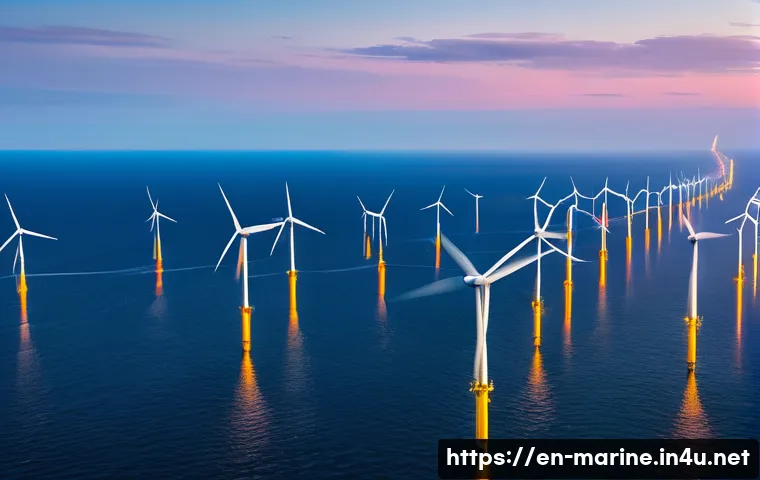
In several pilot projects I’ve reviewed, coupling offshore wind farms with battery storage has improved reliability and market participation. These approaches are becoming increasingly important as offshore wind capacity scales up.
Cross-border Collaboration and Regional Grids
Some regions are exploring cross-border offshore grid connections to optimize resource sharing and enhance energy security. The North Sea, for example, is a prime candidate for such integrated grid systems linking multiple countries’ offshore wind farms.
This kind of collaboration can reduce overall costs and improve market efficiency. From a strategic standpoint, investors and policymakers are paying close attention to these developments, as they promise more resilient and flexible renewable energy networks.
Offshore Wind Market Overview and Investment Data
Global Capacity and Investment Figures
The offshore wind market is expanding at a rapid pace, with cumulative installed capacity surpassing 50 GW worldwide as of recent years. Investment volumes have grown correspondingly, reaching tens of billions of dollars annually.
The table below summarizes key market statistics and investment trends across leading regions, reflecting the sector’s robust momentum and capital inflows.
| Region | Installed Capacity (GW) | Annual Investment (Billion USD) | Average Project Size (MW) | Key Players |
|---|---|---|---|---|
| Europe | 30 | 15 | 500 | Ørsted, Siemens Gamesa, Equinor |
| Asia | 12 | 8 | 400 | China Three Gorges, JERA, Samsung |
| North America | 5 | 5 | 600 | Vineyard Wind, Dominion Energy, Avangrid |
| Others | 3 | 2 | 350 | Various emerging players |
Investment Drivers and Market Outlook
A combination of strong policy support, improving technology, and rising corporate sustainability commitments are driving investment growth. From my observations, governments’ auction mechanisms and long-term power purchase agreements are instrumental in providing revenue certainty.
Looking ahead, offshore wind is expected to continue scaling, with capacity doubling or tripling over the next decade. This will attract even more capital, especially as projects move into deeper waters and new geographies.
Key Challenges Impacting Capital Allocation
Despite positive trends, investors must weigh challenges such as supply chain bottlenecks, escalating commodity prices, and geopolitical uncertainties.
I’ve noticed that delays in turbine manufacturing or port infrastructure can disrupt project timelines and cost projections. Additionally, currency fluctuations and trade policies can impact international investment flows.
Mitigating these risks requires thorough due diligence and flexible financing structures.
Future Prospects and Strategic Considerations
Decarbonization and Energy Transition Goals
Offshore wind is increasingly recognized as a cornerstone technology for global decarbonization strategies. Countries aiming for net-zero emissions are integrating offshore wind into their energy roadmaps.
From what I’ve seen, this trend is accelerating policy frameworks and financial incentives, encouraging rapid deployment. The sector’s ability to produce large-scale, low-carbon electricity aligns well with future grid needs and electrification targets.
Technological Integration and Hybrid Systems
Looking forward, combining offshore wind with other renewable sources like solar and wave energy, or pairing with green hydrogen production, offers exciting possibilities.
Such hybrid systems can maximize resource utilization and provide more consistent power output. I’ve come across pilot projects exploring these synergies, which could enhance offshore wind’s value proposition and open new revenue streams for investors.
Investment Strategies for Long-Term Success
For investors, a diversified approach that balances exposure to established markets with emerging opportunities is prudent. Given the sector’s complexity, partnering with experienced developers and leveraging government support mechanisms can reduce risk.
From my perspective, staying informed about technological trends, regulatory changes, and supply chain dynamics is essential to capture sustainable returns in this evolving landscape.
글을 마치며
Offshore wind technology is rapidly evolving, offering promising solutions for cleaner energy and sustainable investment opportunities. The integration of innovative designs and digital tools is enhancing efficiency and reducing costs. As the market expands globally, understanding the financial, environmental, and infrastructural aspects becomes crucial. With continued advancements and strategic collaborations, offshore wind stands as a key pillar in the global energy transition.
알아두면 쓸모 있는 정보
1. Larger turbines and floating platforms are driving down costs and opening new offshore wind sites beyond shallow waters.
2. Digital technologies like AI and drones improve maintenance, reducing downtime and operational expenses.
3. Institutional investors favor offshore wind due to predictable returns, supported by government incentives and public-private partnerships.
4. Environmental impact assessments and community engagement are essential to balance renewable development with ecosystem preservation.
5. Grid integration challenges require upgraded transmission infrastructure and energy storage solutions to maintain reliability and stability.
핵심 포인트 정리
Offshore wind’s future depends on embracing technological innovation, navigating regulatory landscapes, and fostering financial partnerships. Investors must stay vigilant about supply chain risks and market dynamics while capitalizing on policy support and emerging markets. Successful projects balance environmental stewardship with economic benefits, ensuring long-term viability and contribution to global decarbonization goals.
Frequently Asked Questions (FAQ) 📖
Q: What makes offshore wind energy an attractive investment compared to other renewable sources?
A: Offshore wind energy stands out because of its ability to generate large amounts of consistent power due to stronger and more reliable winds at sea. Unlike solar, which depends heavily on sunlight hours, offshore wind farms can operate nearly around the clock.
This translates into steadier revenue streams for investors, making it a compelling option for those seeking stable, long-term returns. Additionally, recent technological improvements have significantly lowered installation and maintenance costs, further enhancing profitability.
From my experience following the industry, investors also appreciate the growing policy support and ambitious government targets that reduce regulatory risks, making offshore wind a promising sector for sustainable growth.
Q: What are the main challenges facing offshore wind projects today?
A: Despite the promising outlook, offshore wind projects face several hurdles. Regulatory approval processes can be lengthy and complex, involving multiple agencies and environmental assessments, which can delay timelines and increase costs.
Infrastructure is another big challenge—building the necessary grid connections and ports to support these massive turbines requires significant investment and coordination.
Weather and marine conditions add layers of complexity to construction and maintenance, sometimes causing unexpected downtime. From what I’ve seen, developers that proactively engage with regulators and local communities tend to navigate these challenges more smoothly, which is crucial for keeping projects on track and within budget.
Q: How is the future of offshore wind energy shaping up globally?
A: The future looks very bright for offshore wind. Countries around the world are setting ambitious targets to expand their offshore wind capacity as part of their climate commitments.
Technological advances, like larger and more efficient turbines and floating platforms, are opening up new areas previously considered unsuitable for development.
This innovation is pushing costs down even further and making projects feasible in deeper waters. From conversations with industry insiders, there’s a clear trend toward increased private investment and public-private partnerships, accelerating deployment.
In short, offshore wind is poised to become a cornerstone of the global energy transition, creating vast opportunities for investors and contributing significantly to reducing carbon emissions.