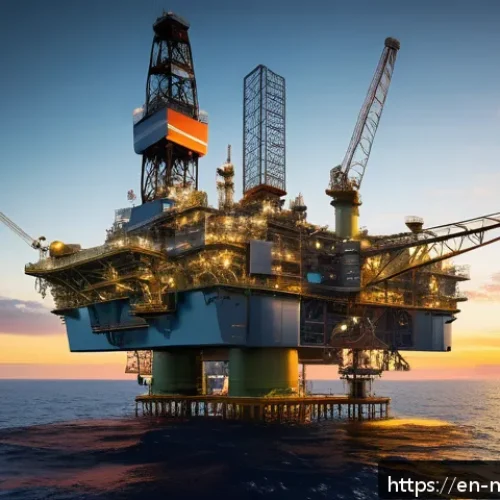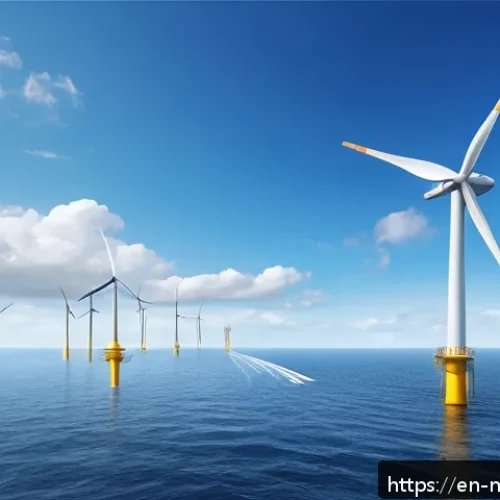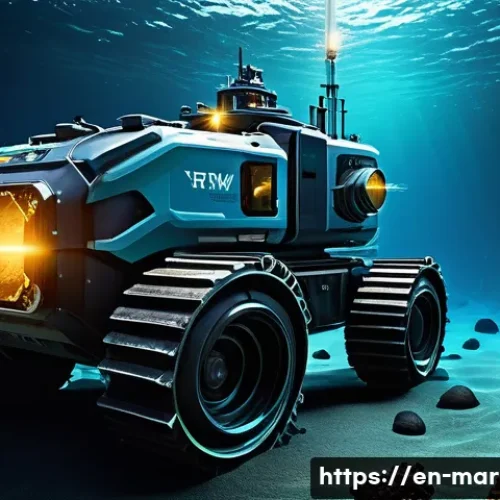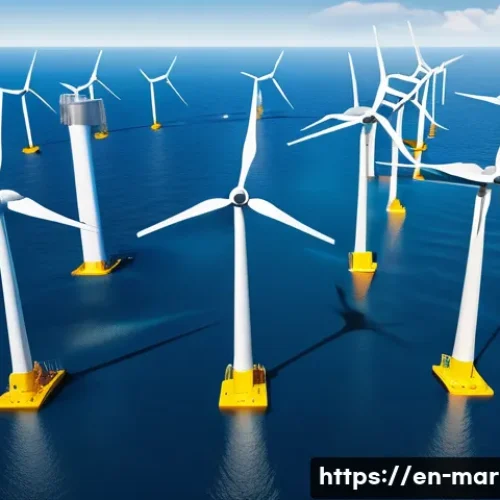
Hey everyone! You know, sometimes I look at the ocean and just marvel at its sheer power and mystery. It’s truly our planet’s last frontier, isn’t it?
But beyond the stunning beauty, it holds incredible potential for our future – everything from clean energy to sustainable food sources and even critical minerals we need for our tech.
We’re on the cusp of unlocking so much, but it’s not as simple as just diving in. I’ve personally seen how exciting these advancements are, yet the conversations around them are getting louder, more complex, and frankly, a bit polarized.
Think about the debates swirling around offshore wind farms in New England or even deep-sea mining proposals globally; it’s never just about the technology, is it?
It’s about people, communities, livelihoods, and our shared values. The truth is, how we approach developing these resources, and whether we gain the trust and support of the public, will be the single biggest factor in determining their success.
The social landscape is just as crucial, if not more, than the technological one. We’ve got to ensure that progress doesn’t come at the cost of local communities or environmental stewardship.
It’s a delicate balance, and honestly, a topic that deserves a deep dive. Alright, let’s talk about something incredibly vital: the social acceptance of marine resource development.
It’s a term that encapsulates the public’s willingness to support initiatives that tap into our oceans’ vast wealth. From renewable energy transforming our coastlines to potential deep-sea mineral extraction, these ventures promise a lot, but also bring significant community concerns to the forefront.
Navigating this intricate web of expectations and fears is absolutely critical for any project hoping to get off the ground. Without securing that crucial ‘social license to operate,’ even the most innovative marine projects can flounder.
Want to understand why this matters so much for our shared future? Let’s dive deeper and get the full picture!
Understanding the Tides: Why Public Perception Shapes Ocean Projects

The Invisible Current: What Drives Public Opinion?
You know, it’s fascinating how quickly public sentiment can shift when it comes to big projects, especially those touching our precious oceans. I’ve personally witnessed proposals for offshore wind farms, for instance, go from being lauded as environmental saviors to facing fierce local opposition almost overnight. It’s not just about the technology itself; it’s about a complex interplay of factors: deeply held environmental values, concerns about visual impacts on beloved coastlines, worries over fishing grounds, and even historical distrust of large corporations or government entities. People aren’t just looking at the blueprints; they’re picturing how their daily lives, their livelihoods, and their connection to the sea will be affected. It’s a tapestry woven with economics, ecology, and emotion, and understanding this invisible current of public opinion is absolutely non-negotiable for anyone hoping to develop marine resources successfully. We have to move beyond just presenting facts and truly engage with the underlying hopes and fears of coastal communities.
My Wake-Up Call: Learning from Past Mistakes
I remember a particular project a few years back – won’t name names, but it was a real eye-opener. The developers had all their environmental impact assessments lined up, all the technical data was sound, and they honestly believed they had a slam dunk. But they completely underestimated the local community’s attachment to a specific stretch of coastline. They held a few public meetings, checked the boxes, and then just expected everyone to get on board. What they failed to grasp was that for many residents, that ocean view wasn’t just scenery; it was their identity, their heritage, their entire way of life. The backlash was immense, turning what should have been a collaborative process into an adversarial battle. That experience really hammered home for me that technical brilliance alone simply isn’t enough. We need to lead with empathy, not just engineering. It truly was a wake-up call that the ‘social license to operate’ isn’t something you’re granted once; it’s something you continuously earn and nurture.
Bridging the Gap: The Art of Community Engagement
More Than Just Meetings: Authentic Dialogue
When we talk about community engagement, it’s easy to picture sterile town hall meetings with PowerPoint presentations and a Q&A session. But honestly, that’s just scratching the surface. True engagement, the kind that actually bridges divides and builds trust, is about authentic dialogue. It’s about stepping out of the boardroom and into local diners, fishing boats, and community centers. It’s about taking the time to truly listen to concerns, even if they seem irrational from a purely technical standpoint. I’ve found that people often just want to feel heard, to know that their voices matter. It’s a two-way street where information flows freely, not just top-down. This means being prepared to adapt, to genuinely consider alternative solutions, and to openly discuss the trade-offs. If developers approach these conversations with an open mind and a willingness to compromise, they’ll often find communities become partners rather than adversaries. It’s tough, it’s time-consuming, but believe me, the investment pays dividends.
The Power of Listening: Building Genuine Relationships
There’s a subtle but powerful difference between hearing and listening. Anyone can hear a complaint, but genuinely listening means understanding the underlying anxieties, the deeply personal stories, and the historical context that shapes a community’s perspective. I’ve seen firsthand how a project leader who takes the time to sit down with local fishermen, not just once, but repeatedly, can transform the entire dynamic. It’s about building relationships based on mutual respect, not just transactional interactions. When you invest in these relationships, you create a foundation of trust that can withstand the inevitable bumps in the road. It means being present, being consistent, and showing up even when there aren’t immediate answers. Sometimes, the most impactful thing you can do is just offer a cup of coffee and an open ear. These aren’t just soft skills; they are absolutely critical elements of project success in the complex world of marine resource development. It’s about building a bond, not just getting a signature.
When Innovation Meets Opposition: Navigating the Challenges
The NIMBY Effect: Confronting Local Concerns
Ah, the classic “Not In My Backyard” (NIMBY) phenomenon. It’s a challenge that almost every significant infrastructure project faces, and marine development is certainly no exception. While many people might intellectually support the idea of renewable energy or new sustainable seafood sources, the moment a wind turbine or aquaculture farm is proposed near their coastline, their enthusiasm can quickly wane. I’ve seen this play out time and again, where concerns about property values, noise, visual blight, or perceived environmental risks become paramount. It’s not always about selfishness; sometimes it’s a genuine fear of the unknown or a desire to protect a cherished local amenity. Successfully navigating the NIMBY effect requires more than just dismissing these concerns as irrational. It demands proactive engagement, transparent communication about potential impacts and mitigation strategies, and often, tangible benefits for the local community that outweigh the perceived drawbacks. It’s about showing respect for people’s homes and lives, not just their opinions. This is where the rubber truly meets the road, where good intentions face hard realities.
Balancing Act: Environmental Fears vs. Economic Hopes
This is where things get truly complex, isn’t it? On one hand, many marine resource projects promise economic growth: new jobs, increased tax revenues, and local business opportunities. On the other hand, they inevitably raise environmental concerns, from habitat disruption to potential impacts on marine ecosystems. I remember a deep-sea mining proposal I followed that really brought this into sharp focus. The economic benefits for a struggling region were undeniable, offering high-paying jobs and a boost to local industries. Yet, environmental groups and some scientists were rightly worried about the long-term, potentially irreversible damage to unique deep-sea environments. This isn’t a simple either/or situation; it’s a delicate balancing act. The key, in my experience, is robust, independent scientific assessment, transparently communicated, and coupled with genuine efforts to minimize environmental footprints. Moreover, it requires fostering a public dialogue that acknowledges both the hopes for prosperity and the fears of ecological harm, working towards solutions that try to achieve both, rather than sacrificing one for the other. It’s a tough tightrope walk, but absolutely essential for long-term viability.
Beyond the Blueprint: Ensuring Equitable Benefits for All
Sharing the Wealth: Local Jobs and Opportunities
When a large-scale marine development comes to town, everyone talks about the economic benefits. But who actually reaps those rewards? This is a question that deeply impacts social acceptance. If a project promises thousands of jobs but they all go to out-of-state specialists, local communities will quickly feel left out and resentful. I’ve heard countless stories where locals felt like their resources were being exploited without them seeing any real upside. To foster true acceptance, developers absolutely must commit to creating tangible opportunities for the local workforce and businesses. This means prioritizing local hiring, investing in training programs for new skills, and actively seeking out local suppliers and contractors. It’s not just good PR; it’s fundamental to building a lasting, positive relationship. When communities feel a direct stake in the project’s success, both economically and socially, they become advocates rather than critics. It’s about ensuring that the rising tide truly lifts all boats in the harbor, not just the biggest ones.
Protecting Heritage: Safeguarding Cultural and Traditional Ties
Our oceans aren’t just economic assets; for many coastal communities, they are deeply interwoven with cultural identity, traditional practices, and historical heritage. Think of indigenous fishing grounds, ancestral navigation routes, or sites of historical significance. I’ve personally seen how deeply people connect to these aspects of their marine environment, and any project that threatens to disrupt them can spark intense opposition. It’s not about economic loss; it’s about a loss of identity, a severing of ties to the past. Successful marine development absolutely *must* respect and safeguard these cultural and traditional connections. This often means engaging with community elders, historians, and cultural leaders early in the planning process. It might involve rerouting proposals, adapting designs, or establishing specific protection zones. Ignoring these profound connections is a surefire way to alienate an entire community and jeopardize a project’s future. We need to remember that the ocean’s value extends far beyond its raw resources; it holds stories, memories, and traditions that are priceless.
Building Trust, One Wave at a Time: Strategies for Success

Transparency is Key: Open Books, Open Conversations
If there’s one thing I’ve learned about social acceptance, it’s that opacity breeds suspicion. When information is withheld or presented in a convoluted way, people naturally assume the worst. That’s why absolute transparency is non-negotiable. This means not just sharing environmental impact reports, but making them accessible and understandable to the layperson. It means being open about the financial aspects, the potential risks, and the mitigation strategies. I’ve seen projects falter not because they were inherently bad, but because the public felt like they were being kept in the dark or misled. Open conversations, even about difficult topics, build credibility. Developers who are willing to admit uncertainties, to acknowledge potential drawbacks, and to genuinely seek input rather than just dictating terms, are the ones who ultimately win over hearts and minds. It’s about building a reputation for honesty, which is a currency far more valuable than any financial investment in the long run. Trust isn’t given; it’s meticulously built, piece by painful piece.
Adaptive Approaches: Learning and Evolving with Communities
The ocean is dynamic, and so are human communities. What might seem like a perfect plan on paper at the outset can encounter unforeseen challenges or evolve with new community priorities. That’s why an adaptive approach is so crucial for any marine development project. I’ve been involved with initiatives where initial designs were significantly altered based on public feedback, resulting in a much more accepted and sustainable outcome. This isn’t about weakness or indecision; it’s about intelligent flexibility. It means establishing mechanisms for ongoing dialogue and feedback throughout the project lifecycle, not just at the beginning. It also means being genuinely prepared to iterate and adjust. When communities see that their input leads to tangible changes, it reinforces their sense of agency and builds further trust. Conversely, a rigid, “my way or the highway” approach is almost guaranteed to create resentment and resistance. Successful projects aren’t just built; they evolve, shaped by collaboration and a willingness to learn.
The Economic Ripple Effect: Local Livelihoods and Marine Development
Beyond the Big Picture: Real People, Real Impacts
When we talk about the economic impacts of marine resource development, it’s easy to get lost in huge numbers – millions of dollars, thousands of jobs. But for me, it always comes back to individual people and their livelihoods. I remember speaking with a small-scale oyster farmer whose entire business was tied to the pristine quality of a specific bay. When a new offshore energy project was proposed nearby, his immediate concern wasn’t about global energy grids; it was about the potential impact on his oysters, his family’s income, and a tradition passed down through generations. These are the real impacts that truly matter to communities. Understanding and addressing these very specific, localized economic concerns is absolutely vital. It’s about going beyond the big picture statistics and getting down to the ground level, talking to those who stand to gain or lose the most. When developers can show genuine care for these individual livelihoods and proactively seek ways to support or even enhance them, that’s when you start to build genuine social acceptance.
Small Businesses, Big Stakes: Supporting Local Economies
It’s not just the big players who are affected by marine development; the health of local economies often hinges on a network of small businesses. Think about the bait shops, the coastal restaurants, the charter boat operators, and the tourism providers that thrive on a healthy ocean. A new marine project, if not carefully managed, can inadvertently disrupt these vital economic threads. Conversely, a thoughtfully planned project can become a catalyst for growth, creating new opportunities for these same businesses. I’ve seen some incredible examples where developers actively partnered with local businesses, providing contracts, sourcing materials locally, and even contributing to community funds. This demonstrates a clear commitment to the local economy beyond just project construction. It transforms the narrative from “us vs. them” to “we’re in this together.” Ignoring these small but crucial stakeholders is a huge mistake, as they are often the backbone of community support or opposition. Their stakes are incredibly high, and their voices deserve to be heard and acted upon.
Here’s a quick glance at key factors influencing social acceptance:
| Factor | Positive Impact on Acceptance | Negative Impact on Acceptance |
|---|---|---|
| Community Engagement | Inclusive, transparent dialogue; early and consistent involvement. | Limited, tokenistic consultation; lack of follow-up. |
| Economic Benefits | Local job creation; support for local businesses; community funds. | Jobs for outsiders; disruption of existing local economies. |
| Environmental Impact | Robust mitigation strategies; independent oversight; habitat enhancement. | Perceived ecological damage; lack of transparency on risks. |
| Transparency & Trust | Open communication; honest about risks/benefits; responsive to concerns. | Secrecy; perceived corporate greed; ignoring public input. |
| Cultural & Heritage | Respect for traditions; protection of sacred/historical sites. | Disruption of cultural practices; damage to heritage sites. |
Future Horizons: Charting a Course for Sustainable Ocean Use
Innovating for Harmony: Tech that Respects the Sea and Society
Looking ahead, the future of marine resource development isn’t just about bigger, faster, or more efficient technology; it’s about technology that inherently fosters harmony between human needs and ocean health. I get genuinely excited when I see innovations that aren’t just about extraction, but about coexistence. Think about low-impact aquaculture systems that enhance biodiversity, or offshore energy platforms designed with integrated marine habitats. The engineering challenges are immense, but the payoff for social acceptance is even greater. When communities can see that the technology itself is being designed with stewardship in mind, not just profit, it fundamentally changes their perception. It’s about moving beyond simply minimizing harm and actively seeking ways to create positive ecological and social value. This is where true leadership emerges, pushing boundaries not just in what we can build, but in how we build it, ensuring our advancements truly align with our deepest values for a healthy planet and thriving communities. It’s about engineering with a heart, and a respect for the vast blue.
Leaving a Legacy: What We Owe to Future Generations
Ultimately, when we talk about developing marine resources, we’re not just making decisions for today; we’re charting a course for generations to come. The legacy we leave behind in our oceans will be the ultimate test of our wisdom and foresight. This isn’t a responsibility we can take lightly. It means making choices that prioritize long-term sustainability over short-term gains, ensuring that the benefits of ocean development are shared equitably, and protecting the incredible biodiversity that makes our marine environments so vital. I often think about my own children and what kind of ocean I want them to inherit – one that is teeming with life, vibrant, and accessible, not one diminished by our current ambitions. Securing social acceptance for marine projects is intrinsically linked to this long-term vision. It’s about earning the trust of the future, just as much as it is about earning the trust of the present. We have a profound obligation to ensure that our pursuit of progress in the oceans doesn’t compromise the opportunities and wellbeing of those who will follow us. It’s our shared heritage, and it’s up to us to protect it.
글을 마치며
Well, folks, as we’ve explored the intricate dance between marine development and public perception, it’s clear that true success isn’t just about blueprints and budgets. It’s about building genuine relationships, fostering trust, and listening deeply to the communities whose lives are intertwined with our oceans. My personal journey has shown me time and again that when we lead with empathy and commitment to shared values, we pave the way for sustainable projects that truly benefit everyone. Let’s continue to champion this collaborative spirit, ensuring our precious marine environments and coastal communities thrive together.
알아두면 쓸모 있는 정보
1. Start Early, Listen Often: Don’t wait until permits are nearly secured to engage with communities. Begin conversations early and maintain them throughout the project lifecycle. This continuous dialogue builds rapport and allows for adaptive planning that truly reflects local needs and concerns.
2. Translate Technical Jargon: Project details can be overwhelmingly complex. Make sure your communication materials are clear, concise, and easily understood by a non-technical audience. Using visuals, real-world examples, and straightforward language can bridge the understanding gap and foster better public comprehension.
3. Identify Local Champions: Seek out and empower local individuals or groups who genuinely understand the project and can articulate its benefits and address concerns within their own networks. Authentic local voices are incredibly powerful and often more trusted than external experts.
4. Offer Tangible Local Benefits: Go beyond vague promises. Clearly outline how the project will create jobs, support local businesses, or contribute to community initiatives. These concrete, measurable benefits foster a sense of shared ownership and demonstrate a real commitment to the local economy.
5. Be Prepared for “No”: Not every concern can be fully mitigated, and sometimes, a project might need significant adjustments. Approach feedback with flexibility and be genuinely willing to adapt or even reconsider aspects to earn community buy-in. A rigid approach often leads to staunch opposition.
중요 사항 정리
- Empathy is Paramount: Understanding community fears and hopes is as crucial as technical viability for long-term project success.
- Transparency Builds Trust: Open and honest communication about potential risks, benefits, and mitigation strategies fosters essential credibility.
- Local Engagement is Non-Negotiable: Authentic dialogue and continuous relationship-building are absolutely essential for earning and maintaining a project’s social license to operate.
- Balance Economic & Environmental Goals: Truly sustainable projects find harmony between economic prosperity and the imperative of ecological stewardship.
- Legacy Matters: Our decisions today concerning marine resources directly shape the health and opportunities of the ocean for future generations.
Frequently Asked Questions (FAQ) 📖
Q: What exactly is “social acceptance” in marine resource development, and why is it so critical for these projects to succeed?
A: You know, it’s funny, we throw around terms like “social acceptance” a lot, but sometimes the real meaning gets a bit lost in translation. From what I’ve seen and experienced, social acceptance in marine resource development isn’t just about getting a legal permit; it’s that deeper, often unspoken, agreement from the public and local communities that a project is okay to proceed and operate.
Think of it as earning a “social license to operate” (SLO) – it’s an intangible asset, really, rooted in community trust and their willingness to support a company’s activities.
Without it, even the most brilliant technological advancements in, say, offshore wind or deep-sea mining can face serious roadblocks, delays, or even outright cancellation.
I’ve personally seen promising projects falter because they simply didn’t earn the trust of the very communities they would impact. Why is this so critical?
Well, if a community doesn’t feel heard, respected, or that a project aligns with their values, they can, and often will, voice their opposition. This isn’t just a minor hiccup; it can lead to significant socio-political risks for developers, affecting everything from financing to accessing essential resources and even impacting public perception on a national scale.
It’s not just about the economics or the engineering; it’s about people, livelihoods, and the shared marine environment we all depend on. Achieving social acceptance means building sustainable outcomes by valuing local knowledge and addressing regional needs, which ultimately helps identify and resolve potential conflicts much earlier in the process.
When you have that buy-in, projects are more likely to be completed successfully and integrate positively into the existing social fabric. It makes all the difference, truly.
Q: What are the biggest challenges or common concerns that communities often raise when marine development projects are proposed nearby?
A: From my boots-on-the-ground perspective, when marine development projects pop up, communities often have a really valid mix of fears and practical concerns.
It’s rarely just one thing! Firstly, there are huge environmental worries. People are deeply connected to their local marine ecosystems, and they legitimately worry about things like habitat destruction, impacts on marine life from noise and physical disturbances, or the sheer scale of sediment plumes from activities like deep-sea mining.
I’ve heard countless stories of concerns about how these projects might affect fishing grounds, marine mammals, and even the delicate balance of coastal ecosystems.
It’s a fear of the unknown, and often, an understandable distrust given past environmental impacts of industrial activities. Then there are the socio-economic impacts.
Communities often question how these projects will affect their livelihoods, especially those tied to traditional activities like fishing or tourism. Will there be job opportunities for locals, or will they be sidelined?
Will the visual impact of offshore structures, like wind turbines, detract from their coastal views or impact tourism? I remember one community passionately debating the visual changes to their beloved coastline – it’s not just about aesthetics, it’s about their sense of place and identity.
Equity and the distribution of benefits and costs are also huge. Will the “benefits” truly reach the local community, or will they mostly go elsewhere?
Finally, there’s a real concern about transparency and inclusion in decision-making. Communities often feel left out or that their voices aren’t genuinely considered, leading to a sense of disenfranchisement and fueling opposition.
It’s a complex web of interconnected issues, and honestly, each community has its own unique set of priorities and sensitivities that need to be understood.
Q: How can developers and governments actually build and maintain social acceptance with local communities for marine projects, rather than just hoping for it?
A: This is where the rubber meets the road, isn’t it? It’s not about crossing your fingers and hoping for the best; it’s about a proactive, genuine commitment.
Based on what I’ve seen work effectively, the absolute key is early, consistent, and transparent engagement. Don’t just show up when permits are almost finalized.
Start talking to communities long before any major announcements are made, and keep those lines of communication open throughout the entire project lifecycle, not just at the beginning or end.
This builds trust, which is the cornerstone of social acceptance. Another critical aspect is really listening and integrating local knowledge. Communities often have invaluable insights into their marine environment and traditional practices.
Developers and governments should work to understand local concerns, identify potential environmental and social impacts, and adapt project plans based on community feedback where feasible.
I’ve seen projects turn around when developers genuinely incorporated community suggestions, like adjusting turbine placement or shipping routes to minimize impact on local fisheries.
Providing clear, factual information about the technology, scope, and objectives of the project, and even offering tangible examples of socio-economic benefits from other successful projects, can help demystify things and build support.
And here’s a big one: community benefits. Going beyond regulatory requirements to offer deliberate initiatives that create tangible social and economic value for the communities most affected can make a huge difference.
Think job training, infrastructure improvements, or even shared ownership models. This isn’t just charity; it’s a strategic investment in securing that all-important social license to operate.
Ultimately, it’s about forging genuine partnerships, respecting cultural sensitivities, and empowering communities to be part of the solution, not just passive recipients of a decision.
Q: What exactly is “social acceptance” in marine resource development, and why is it so critical for these projects to succeed?
A: You know, it’s funny, we throw around terms like “social acceptance” a lot, but sometimes the real meaning gets a bit lost in translation. From what I’ve seen and experienced, social acceptance in marine resource development isn’t just about getting a legal permit; it’s that deeper, often unspoken, agreement from the public and local communities that a project is okay to proceed and operate.
Think of it as earning a “social license to operate” (SLO) – it’s an an intangible asset, really, rooted in community trust and their willingness to support a company’s activities.
Without it, even the most brilliant technological advancements in, say, offshore wind or deep-sea mining can face serious roadblocks, delays, or even outright cancellation.
I’ve personally seen promising projects falter because they simply didn’t earn the trust of the very communities they would impact. Why is this so critical?
Well, if a community doesn’t feel heard, respected, or that a project aligns with their values, they can, and often will, voice their opposition. This isn’t just a minor hiccup; it can lead to significant socio-political risks for developers, affecting everything from financing to accessing essential resources and even impacting public perception on a national scale.
It’s not just about the economics or the engineering; it’s about people, livelihoods, and the shared marine environment we all depend on. Achieving social acceptance means building sustainable outcomes by valuing local knowledge and addressing regional needs, which ultimately helps identify and resolve potential conflicts much earlier in the process.
When you have that buy-in, projects are more likely to be completed successfully and integrate positively into the existing social fabric. It makes all the difference, truly.
Q: What are the biggest challenges or common concerns that communities often raise when marine development projects are proposed nearby?
A: From my boots-on-the-ground perspective, when marine development projects pop up, communities often have a really valid mix of fears and practical concerns.
It’s rarely just one thing! Firstly, there are huge environmental worries. People are deeply connected to their local marine ecosystems, and they legitimately worry about things like habitat destruction, impacts on marine life from noise and physical disturbances, or the sheer scale of sediment plumes from activities like deep-sea mining.
I’ve heard countless stories of concerns about how these projects might affect fishing grounds, marine mammals, and even the delicate balance of coastal ecosystems.
It’s a fear of the unknown, and often, an understandable distrust given past environmental impacts of industrial activities. Then there are the socio-economic impacts.
Communities often question how these projects will affect their livelihoods, especially those tied to traditional activities like fishing or tourism. Will there be job opportunities for locals, or will they be sidelined?
Will the visual impact of offshore structures, like wind turbines, detract from their coastal views or impact tourism? I remember one community passionately debating the visual changes to their beloved coastline – it’s not just about aesthetics, it’s about their sense of place and identity.
Equity and the distribution of benefits and costs are also huge. Will the “benefits” truly reach the local community, or will they mostly go elsewhere?
Finally, there’s a real concern about transparency and inclusion in decision-making. Communities often feel left out or that their voices aren’t genuinely considered, leading to a sense of disenfranchisement and fueling opposition.
It’s a complex web of interconnected issues, and honestly, each community has its own unique set of priorities and sensitivities that need to be understood.
Q: How can developers and governments actually build and maintain social acceptance with local communities for marine projects, rather than just hoping for it?
A: This is where the rubber meets the road, isn’t it? It’s not about crossing your fingers and hoping for the best; it’s about a proactive, genuine commitment.
Based on what I’ve seen work effectively, the absolute key is early, consistent, and transparent engagement. Don’t just show up when permits are almost finalized.
Start talking to communities long before any major announcements are made, and keep those lines of communication open throughout the entire project lifecycle, not just at the beginning or end.
This builds trust, which is the cornerstone of social acceptance. Another critical aspect is really listening and integrating local knowledge. Communities often have invaluable insights into their marine environment and traditional practices.
Developers and governments should work to understand local concerns, identify potential environmental and social impacts, and adapt project plans based on community feedback where feasible.
I’ve seen projects turn around when developers genuinely incorporated community suggestions, like adjusting turbine placement or shipping routes to minimize impact on local fisheries.
Providing clear, factual information about the technology, scope, and objectives of the project, and even offering tangible examples of socio-economic benefits from other successful projects, can help demystify things and build support.
And here’s a big one: community benefits. Going beyond regulatory requirements to offer deliberate initiatives that create tangible social and economic value for the communities most affected can make a huge difference.
Think job training, infrastructure improvements, or even shared ownership models. This isn’t just charity; it’s a strategic investment in securing that all-important social license to operate.
Ultimately, it’s about forging genuine partnerships, respecting cultural sensitivities, and empowering communities to be part of the solution, not just passive recipients of a decision.