7 Groundbreaking Technologies Saving Our Oceans

webmaster

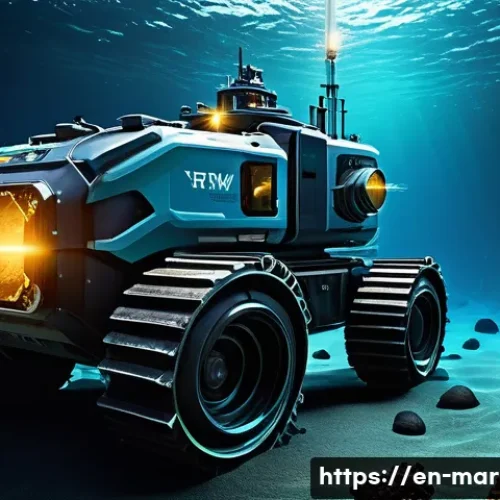
해양 환경 보호 기술 - **Prompt Title:** Revolutionizing Ocean Cleanup: Interceptor in Action
    **Image Prompt:** A wide-...

Hey there, fellow ocean lovers! It’s your favorite English blog influencer here, ready to dive deep into a topic that’s incredibly close to my heart, and honestly, to all of us who share this amazing planet.

You know, lately, every time I scroll through my news feed or even just take a walk along the coast, I’m struck by the urgent conversations around our oceans.

It’s not just about pretty sunsets and sandy beaches anymore; it’s about the very health of our blue planet. I’ve personally seen the devastating effects of pollution and climate change on marine life, and it truly breaks my heart.

But here’s the thing: it’s not all doom and gloom! I’m genuinely excited about the incredible advancements happening in marine environmental protection technology.

From ingenious new ways to tackle plastic waste to cutting-edge tools that monitor ocean health with unprecedented accuracy, there’s a wave of innovation that gives me so much hope for the future.

We’re talking about real, tangible solutions that are being developed and implemented right now, and believe me, some of them are truly mind-blowing. It’s a field buzzing with brilliant minds, and the potential to make a massive difference is absolutely huge.

I’ve been researching some of the most fascinating developments, and I can’t wait to share what I’ve discovered. Ready to be inspired and learn about how we can truly turn the tide?

Let’s get into the specifics and explore these incredible technologies that are safeguarding our oceans!

Revolutionizing Ocean Cleanup: Tackling Plastic Head-On

해양 환경 보호 기술 - **Prompt Title:** Revolutionizing Ocean Cleanup: Interceptor in Action
    **Image Prompt:** A wide-...

You know, seeing plastic waste littering our beautiful beaches or floating sadly in what should be pristine waters genuinely breaks my heart. It’s a problem that feels overwhelming sometimes, but I’ve been so incredibly uplifted by the sheer ingenuity going into cleaning up our oceans.

We’re not just talking about traditional methods anymore; there are some seriously mind-blowing technologies out there that are making a real dent. I’ve been following the progress of initiatives that are literally scooping plastic out of the open ocean and intercepting it in rivers before it even gets there.

It’s incredible to witness the commitment and innovation from engineers and environmentalists alike. It truly gives me hope that we can turn the tide on this monumental challenge.

The sheer scale of the Great Pacific Garbage Patch, for instance, used to feel insurmountable, but now, with these advanced systems, cleaning it up isn’t just a dream – it’s a tangible goal within reach.

What’s even better is that these efforts aren’t just about removal; they’re also sparking conversations and actions to prevent plastic from entering our waterways in the first place, which is exactly the kind of holistic approach we need.

It’s a testament to what we can achieve when brilliant minds come together with a shared passion for our blue planet.

The Ocean Cleanup’s Mighty Systems

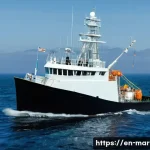
When I first heard about The Ocean Cleanup, I was skeptical, I’ll admit. But seeing their systems in action, like System 03, is just phenomenal. This isn’t just a boat with a net; it’s a U-shaped barrier system that cleverly uses natural ocean currents to concentrate plastic debris, allowing marine life to safely pass underneath.

In 2024 alone, these systems played a central role in advancing ocean cleanup operations, with over 11.5 million kilos of plastic removed from oceans and rivers, surpassing all previous years combined!

Can you believe that? That’s not just a statistic; that’s literally tons of plastic that will no longer harm marine animals or break down into harmful microplastics.

I personally feel a surge of optimism every time I see their updates, knowing that this “legacy pollution” that’s been accumulating for decades is finally being addressed.

It’s about more than just collecting trash; it’s about restoring the health of an entire ecosystem. Their goal to clean up the Great Pacific Garbage Patch within five to ten years seems incredibly ambitious, but with the progress they’ve made, I’m starting to really believe they can do it.

Smart Robots and Bubble Barriers for River Intervention

But it’s not just the open ocean; a huge amount of plastic enters the sea through rivers, and that’s where technologies like “interceptors” and bubble barriers come in.

The Ocean Cleanup has these solar-powered interceptors that are like silent guardians, catching trash in rivers in places like Malaysia, Indonesia, and even Guatemala, where one interceptor captured 1.4 million kilograms of trash in under two hours!

That’s just wild to me! And then there’s the Great Bubble Barrier, a Dutch innovation that creates a diagonal curtain of bubbles from the riverbed, pushing plastic to a side trap without harming boats or wildlife.

It’s been successfully tested in Germany and removes up to 86% of river plastic. It’s truly inspiring to see how ingenuity is being applied right at the source, preventing pollution from ever reaching the vastness of the ocean.

These systems are proving that with the right technology and strategic deployment, we can truly stem the flow of plastic.

Innovative Material Solutions and Upcycling

Beyond physical removal, some incredibly smart folks are working on preventing plastic pollution by rethinking materials themselves. I’ve seen some fascinating developments in bioplastics made from seaweed, which could be a significant alternative to traditional plastics.

Imagine packaging that just disappears naturally! There are also experimental nanotechnologies, like magnetic coils, being developed to target and break down microplastics without harming marine life.

And it doesn’t stop there; some companies are even converting plastic waste into oil, allowing it to be recycled repeatedly, or using it to create sustainable alternatives to asphalt for roads.

It’s a full-circle approach that excites me – not just cleaning up the mess, but changing how we make and use things so we don’t create it in the first place.

I personally believe that combining cleanup efforts with these upstream innovations is our best shot at a truly plastic-free future for our oceans.

Eyes Beneath the Waves: Advanced Ocean Monitoring Technologies

When I think about the vastness of the ocean, it’s mind-boggling to imagine how scientists even begin to understand what’s happening beneath the surface.

For years, it was like peering through a tiny keyhole into an immense, dark room. But let me tell you, that’s all changing! The advancements in ocean monitoring technologies are nothing short of revolutionary, giving us an unprecedented “look” into marine ecosystems.

It’s like we’ve traded our old magnifying glasses for high-powered telescopes and real-time dashboards. I’ve always been fascinated by how technology can extend our senses, and nowhere is this more critical than in understanding the health of our planet’s largest ecosystem.

These sophisticated tools are providing the crucial data we need to make informed decisions, identify threats early, and track the effectiveness of our conservation efforts.

Honestly, it’s a game-changer for anyone who cares deeply about ocean health, myself included.

Autonomous Underwater Vehicles (AUVs) and ROVs

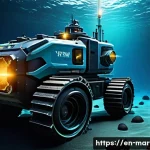
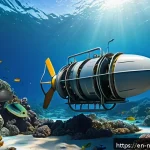
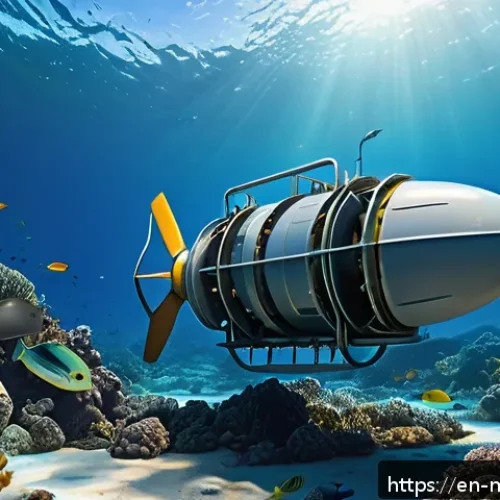
Autonomous Underwater Vehicles (AUVs) and Remotely Operated Vehicles (ROVs) are like our eyes and hands in the deep, venturing into places human divers can’t safely go, or for extended periods we simply couldn’t manage.

They’re these self-propelled robots equipped with high-definition cameras, advanced sensors, and even AI, collecting vast amounts of data on water temperature, salinity, chemical composition, and marine life distribution.

I find it amazing that these robots can silently observe coral reefs, track marine mammal migrations, and even map the seafloor in incredible detail without disturbing delicate ecosystems.

I’ve seen videos of these soft robots, inspired by jellyfish, delicately manipulating objects without disruption – it’s truly a marvel! They’re also being designed with AI-driven image recognition to identify species and analyze behaviors, which is just incredible for understanding population dynamics.

Satellite Imagery and Smart Buoys

Beyond what’s directly in the water, satellites are giving us a bird’s-eye view that’s equally critical. Remote sensing satellite tools, like those from NASA and NOAA, provide real-time data on ocean conditions such as sea surface temperature, chlorophyll concentrations, and ocean currents.

This information is vital for predicting harmful algal blooms, coral bleaching events, and shifts in marine ecosystems, allowing for timely responses that can mitigate ecological damage.

Complementing this are smart buoys equipped with advanced sensors that continuously monitor water quality and marine life movements across vast stretches of the ocean.

These buoys provide a stable and continuous power source for environmental monitoring equipment, transmitting real-time data back to researchers. The combination of global satellite coverage and localized buoy data paints an incredibly comprehensive picture of our ocean’s health.

Acoustic Monitoring for Marine Life

One of the coolest, and often overlooked, monitoring technologies is passive acoustic monitoring (PAM). Think about it: our oceans are filled with sounds, from whale calls to fish choruses, and even human-made noise pollution.

PAM systems use hydrophones to capture these underwater sounds, allowing scientists to track marine species, detect illegal activities like overfishing, and assess the impacts of noise pollution on delicate ecosystems.

Citizen scientists are even getting involved, deploying hydrophones and analyzing acoustic data, which is just fantastic for expanding our data collection capacity across larger geographic areas.

It’s like giving the ocean a voice, and these systems help us listen. I personally feel a deeper connection to marine life knowing that we’re developing ways to understand their world, even when we can’t see them.

The ability to monitor cetaceans and other marine mammals without intrusive methods is a huge step forward for their protection.

Advertisement

Healing Our Habitats: Cutting-Edge Restoration Efforts

It’s heartbreaking to see how many of our marine habitats, from vibrant coral reefs to crucial seagrass meadows, have been damaged by human activity and climate change.

For a long time, it felt like we were just documenting the decline. But what’s truly inspiring to me is the explosion of innovative technologies focused on *restoring* these vital ecosystems.

We’re not just hoping they recover; we’re actively helping them, armed with some incredibly smart tools. I’ve always believed in the resilience of nature, but sometimes it needs a little helping hand, and that’s exactly what these technologies are providing.

It’s like being a marine gardener on a massive scale, using every trick in the book to bring life back to our blue planet. These efforts aren’t just about restoring beauty; they’re about rebuilding the foundational structures that support countless marine species and provide essential services to our planet, like coastal protection and carbon sequestration.

Coral Restoration with Robotics and 3D Printing

Coral reefs are the rainforests of the sea, bursting with life, and their degradation is a serious concern. But now, we have “Coralbots” and “LarvalBots” – underwater drones that can gently weave through reefs, monitoring health with hyperspectral cameras and even precisely placing coral larvae in bleached patches during mass spawning events.

It’s like robotic gardeners! This automated method can restore much larger areas than manual divers, especially after widespread coral bleaching. Then there’s 3D printing, which is absolutely blowing my mind.

Scientists are creating artificial reef structures using biodegradable materials that mimic the texture and porosity of natural coral. These engineered reefs provide ideal habitats for juvenile marine life and help protect coastlines.

I’ve seen images of these structures, and they look so natural, providing an immediate boost to struggling ecosystems. It truly feels like science fiction becoming reality, offering a lifeline to these critical underwater cities.

Rebuilding Seagrass Beds and Mangrove Forests

It’s not just corals getting this high-tech help. Seagrass meadows and mangrove forests are also ecological powerhouses, providing nurseries for fish, food for manatees, and protection against coastal erosion.

Restoring these areas is crucial, and new technologies are making it more efficient. For seagrass, autonomous underwater vehicles (AUVs) are being used to disperse seeds across sandy bottoms, covering vast areas more effectively than manual planting.

For mangroves, while often more reliant on traditional planting, monitoring their health and growth is being enhanced by drone imagery and satellite data, allowing conservationists to track progress and identify areas needing intervention.

I think it’s so important to remember that marine restoration spans across various ecosystems, and each one plays a critical role in biodiversity and carbon sequestration.

These focused efforts bring back not just plants, but entire complex ecosystems, ensuring they can continue to thrive.

Artificial Reefs for Biodiversity Boost

Beyond specific species, the creation of artificial reefs is another powerful restoration strategy. These aren’t just random piles of rubble; they are carefully designed structures made from materials like metal or concrete, strategically placed to establish new coral ecosystems or assist in repopulating existing ones.

What’s amazing is how quickly marine life can colonize these new structures, turning barren seafloors into thriving habitats. They provide stable surfaces for coral recruitment and create immediate shelter and feeding grounds for a wide variety of marine species.

Organizations deploy artificial reefs for a range of reasons, including ecological restoration, coastal protection, and even to enhance fisheries. I’ve always been a big believer in looking for solutions that work *with* nature, and these artificial reefs, when properly implemented, are a fantastic example of using engineering to give nature a much-needed boost.

Sailing Towards a Greener Horizon: Sustainable Shipping Innovations

You know, for a long time, the shipping industry felt like a giant, unmovable beast when it came to environmental impact. Every time I thought about those massive cargo ships crisscrossing the globe, I worried about their emissions and their fuel consumption.

But honestly, I’ve been incredibly impressed by the shift happening in maritime transport. It’s truly a testament to how innovation can drive change even in the most traditional sectors.

The industry, often seen as conservative, is now embracing cutting-edge technologies and practices that are paving the way for a much greener future. It’s not just about a few tweaks here and there; we’re talking about fundamental changes in how ships are powered, designed, and operated.

This pivot towards sustainability isn’t just good for the planet; it’s also making the industry more efficient and resilient. I feel a genuine sense of optimism seeing these developments, knowing that the goods we rely on can move around the world with significantly less environmental cost.

Wind-Assisted Propulsion and Alternative Fuels

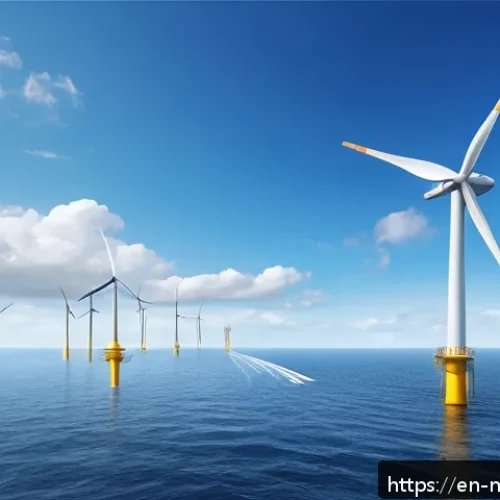
One of the most exciting trends I’ve been tracking is the return to wind power, but with a super modern twist! We’re seeing rigid sails, kite systems, and rotor sails being fitted onto large cargo ships.

Companies like Oceanbird are designing rigid sails that can reduce emissions by a whopping 90%, and Airseas’ kite systems harness high-altitude winds to save fuel.

It’s like we’re rediscovering the ancient wisdom of sailing, but with 21st-century engineering! Beyond wind, the quest for alternative fuels is really heating up.

Liquefied Natural Gas (LNG), methanol, ammonia, and hydrogen fuel cells are emerging as cleaner alternatives to traditional heavy fuel oils. Hydrogen fuel cells, in particular, hold immense potential, generating electricity with pure water as the only byproduct – a stark contrast to carbon emissions.

I firmly believe these innovations are crucial for meeting international climate mandates and drastically reducing the carbon footprint of global trade.

AI-Driven Route Optimization and Port Efficiency

해양 환경 보호 기술 - **Prompt Title:** Eyes Beneath the Waves: AUV Exploring a Coral Reef
    **Image Prompt:** An immers...

It’s not just about what powers the ship; it’s also about how it sails. Digitalization and AI are playing a massive role in making shipping more efficient and less polluting.

AI-powered navigation systems can make real-time decisions based on sensor data and machine learning algorithms, optimizing routes to reduce fuel consumption and minimize human error.

Imagine a ship intelligently avoiding rough weather to save fuel, or adjusting its speed to hit a port at the most efficient time. Beyond the open sea, port efficiency is also getting a major upgrade.

Smart warehouses using solar energy and robots for cargo management are reducing electricity consumption and waste. Plus, technologies that speed up the loading and unloading process with automated cranes reduce the time ships spend idling, further cutting down on fuel use and emissions.

It’s all about leveraging data and smart tech to create a leaner, greener, and smarter maritime sector.

Shore Power and Green Infrastructure

A huge, often overlooked, aspect of green shipping happens when ships are *not* moving. “Cold ironing,” or shore power, allows vessels to connect to the local power grid while docked, switching off their polluting engines.

This dramatically reduces emissions in port areas, which are often densely populated and suffer from air quality issues. It’s a simple yet incredibly effective solution that many ports are now adopting.

Coupled with this are broader green infrastructure initiatives, like energy-efficient lighting and renewable energy sources at ports themselves. These efforts transform ports into pivotal players in fostering a more sustainable maritime landscape.

I’ve personally seen how much cleaner the air can be around ports that implement shore power, and it makes such a difference for coastal communities. It’s a holistic approach, where the journey and the destination are both becoming more environmentally friendly.

Advertisement

The Power of the Crowd: Citizen Science & Data Collaboration

Okay, I’m going to be completely honest with you: one of the most exciting trends I’ve seen is how everyday people, like you and me, are becoming critical players in ocean conservation through citizen science.

It’s not just for scientists in lab coats anymore! For years, it felt like marine research was confined to a select few, but now, with advancements in technology, anyone with a smartphone or a passion for the ocean can contribute.

I genuinely believe that this collective effort, harnessing the “power of the crowd,” is absolutely essential for understanding and protecting our vast oceans.

Our planet is just too big, and the challenges too complex, for professional scientists to tackle alone. It fosters a deeper connection to marine environments and truly empowers communities.

I’ve personally found so much joy in seeing how technology allows us to engage directly with conservation efforts, turning our observations into valuable scientific data.

Empowering Everyday Ocean Lovers

Citizen science is all about engaging the public in scientific research, and it’s a win-win situation for everyone involved. Imagine scuba divers and snorkelers becoming a distributed monitoring network, simply by using devices compatible with their gear!

They can collect data on water temperature, pH, oxygen levels, and even capture images and videos. This massively increases the amount of data collected over large geographic areas, providing invaluable insights into marine ecosystems that would otherwise be impossible to gather.

For someone like me who loves spending time near the water, the idea of contributing directly to ocean health by simply observing and recording what I see is incredibly appealing.

It’s about leveraging the passion and presence of millions of people who are already out there enjoying the marine environment.

Mobile Apps and Underwater Data Collection

The rise of mobile technology has completely revolutionized citizen science. User-friendly mobile apps are now making it incredibly easy for individuals to identify and record marine species sightings, report pollution, and contribute to monitoring efforts.

These apps, often powered by AI, help with species identification and streamline data collection, making it accessible even to those without extensive scientific training.

It’s truly amazing how a device in your pocket can connect you to global conservation efforts. Some initiatives are even developing specialized underwater communication platforms and sensor suites that integrate with diving masks or personal devices, turning every dive into a data-gathering mission.

This real-time, crowdsourced data is essential for scientists to track changes in marine ecosystems and understand the impacts of various threats, from climate change to pollution.

Real-time Insights from Global Networks

What truly excites me about citizen science, especially when combined with modern tech, is the potential for real-time insights and a global network of observers.

The data collected by individuals isn’t just sitting in isolation; it’s often uploaded to centralized platforms, allowing researchers and policymakers to see trends and make informed decisions faster.

This collaborative approach is creating vast networks of observers, significantly expanding our understanding of marine ecosystems and fostering public engagement in ocean conservation on an unprecedented scale.

I’ve seen projects where citizen scientists have helped monitor vast stretches of ocean using passive acoustic monitoring devices, contributing vital data that would have been challenging to collect otherwise.

It highlights how everyone, regardless of their scientific background, can contribute meaningfully to the critical task of protecting our blue planet.

Battling Unseen Threats: Pollution Control Beyond Plastics

While plastic pollution rightly grabs a lot of headlines (and for good reason, it’s a huge problem!), I often find myself reminding people that our oceans face a whole host of other, less visible, threats that are just as insidious.

These are the kinds of pollutants that don’t always wash up on beaches or tangle marine life in plain sight, but they slowly, relentlessly degrade the very fabric of our marine ecosystems.

From invisible chemical discharges to air pollution from ships, these issues demand equally sophisticated technological solutions. And thankfully, brilliant minds are on it!

It’s inspiring to see how engineering and scientific advancements are targeting these complex, often microscopic, challenges, working to protect marine life from these “unseen” dangers.

It truly reinforces the idea that environmental protection needs a multi-faceted approach, tackling every angle of human impact.

Ballast Water Treatment Systems

Okay, so here’s a problem I bet many people don’t even think about: ballast water. Ships take on and discharge massive amounts of water for stability, and along with that water, they often transfer invasive species from one ecosystem to another.

This can cause ecological imbalances, outcompeting native species and disrupting entire food webs. Thankfully, there are now innovative ballast water treatment technologies designed to tackle this very issue effectively.

My favorite example is Electrochlorination systems, which generate chlorine through the electrolysis of seawater to eliminate invasive species with minimal or no chemicals.

UV treatment systems are another popular method, using ultraviolet light to disinfect the water. It’s amazing how targeted these solutions are, solving a problem that has historically had a huge, silent impact on marine biodiversity globally.

These systems are crucial for maintaining the delicate balance of marine ecosystems around the world.

Exhaust Gas Cleaning for Cleaner Air

We often think of cars and factories polluting the air, but marine vessels are also significant contributors to air pollution, emitting harmful pollutants like sulfur dioxide (SOx), nitrogen oxides (NOx), and particulate matter.

These don’t just affect the air; they can fall back into the ocean and acidify waters. Thankfully, technologies like Exhaust Gas Cleaning Systems (EGCS), often called “scrubbers,” are becoming more common.

These systems remove harmful pollutants from ship exhaust gases, ensuring compliance with strict emissions regulations. It’s a vital step towards cleaner air in coastal areas and healthier oceans.

Furthermore, the push for LNG-powered vessels, which emit significantly lower levels of SOx and particulate matter, is also a positive development. I personally believe that tackling air pollution from shipping is just as critical as addressing plastic, as it has widespread effects on both human health and marine ecosystems.

Combating Oil Spills with Advanced Tech

Oil spills are those devastating events that immediately capture our attention, and for good reason—they cause immense damage to marine life and coastal habitats.

While prevention is always key, when spills do happen, technology is stepping up to minimize the damage. AI-powered robotic systems are now being deployed to detect oil spills quickly and precisely, helping authorities take timely action.

Research is ongoing into new materials and methods for more effective containment and cleanup, often drawing inspiration from nature to create absorbents that are both efficient and environmentally friendly.

I’m always reminded of the sheer complexity of our oceans when considering how many different threats they face. The advancements in pollution control, from tiny invasive species to vast oil slicks, show a collective commitment to protecting every facet of our marine environment.

It’s a tough fight, but with these innovations, we’re definitely better equipped.

Key Marine Environmental Protection Technologies
Technology Category Examples of Innovation Primary Environmental Benefit
Plastic Cleanup Systems The Ocean Cleanup’s System 03, River Interceptors, Bubble Barriers, ClearBot AI drones Removes macro and microplastics from oceans and rivers, preventing harm to marine life and ecosystems.
Ocean Monitoring AUVs/ROVs, Satellite Remote Sensing, Smart Buoys, Passive Acoustic Monitoring (PAM), eDNA samplers Provides real-time data on ocean health, pollution, species distribution, and climate change impacts; aids in early warning systems.
Habitat Restoration Coralbots/LarvalBots, 3D Printed Artificial Reefs, Seagrass seeding AUVs, Biodegradable restoration materials Rebuilds and revitalizes damaged marine ecosystems like coral reefs, seagrass beds, and oyster reefs.
Sustainable Shipping Wind-Assisted Propulsion (Rotor sails, Kites), LNG/Hydrogen Fuel Cells, AI Route Optimization, Shore Power Reduces greenhouse gas emissions, air pollutants, and fuel consumption from maritime transport; improves port air quality.
Pollution Control Ballast Water Treatment Systems (UV, Electrochlorination), Exhaust Gas Cleaning Systems (Scrubbers) Prevents spread of invasive species, reduces air pollution from ships, and mitigates ocean acidification.
Advertisement

Wrapping Things Up

Whew! It’s been quite a journey diving into all these incredible innovations, hasn’t it? Honestly, every time I learn about a new drone cleaning up rivers or a robot planting corals, my faith in our collective future gets a huge boost. It’s easy to feel overwhelmed by the sheer scale of the challenges our oceans face, but what we’ve explored today shows us that ingenuity, passion, and dedicated effort are truly making a difference. I genuinely feel more hopeful than ever that we are not just dreaming of a healthier ocean, but actively building one, piece by technological piece. It’s a testament to human spirit and our unwavering love for this beautiful blue planet.

Good to Know: Practical Insights

1. It’s truly amazing how our individual choices ripple outwards, creating massive waves of change for our oceans. I’ve found that one of the most powerful things we can do is simply to reduce our personal plastic footprint – think reusable bags, water bottles, and coffee cups. But beyond that, actively supporting organizations like The Ocean Cleanup or local marine conservation groups, whether through volunteering your time or making a small donation, makes a tangible difference. Every little bit truly counts, and I’ve seen firsthand how these collective efforts empower the brilliant minds working on these innovative solutions. It’s about being a conscious consumer and an active participant in protecting our planet, which, let’s be honest, feels incredibly rewarding.

2. When you’re out shopping or making everyday decisions, try to seek out and champion businesses that are genuinely committed to sustainability. I personally love discovering brands that prioritize eco-friendly packaging, use recycled materials, or have transparent supply chains that minimize their environmental impact. This isn’t just a trend; it’s a powerful way to vote with your wallet and encourage more companies to adopt greener practices. By supporting these pioneers, we send a clear message to the market that environmental responsibility isn’t just a nice-to-have, but an essential part of how we expect businesses to operate. It truly makes a difference in shifting the entire industry towards a more sustainable horizon.

3. Never underestimate the profound impact of policy and advocacy. While individual actions are crucial, systemic change often requires robust legislation and strong government support. I’ve learned that engaging with your local representatives, signing petitions, or even simply staying informed about marine conservation policies can help drive significant progress. Advocating for stricter regulations on pollution, greater investment in ocean research, and the protection of marine protected areas provides the crucial framework within which all these amazing technologies can truly thrive. Your voice, combined with many others, can genuinely influence the decisions that shape the future of our oceans.

4. The world of ocean conservation is constantly evolving, with new discoveries and technologies emerging all the time. I’ve found that staying informed is key to being an effective advocate and a knowledgeable consumer. Follow reputable marine science organizations, subscribe to environmental newsletters, or even check out documentaries that highlight these incredible innovations. The more we learn, the better equipped we are to understand the challenges and appreciate the solutions. It keeps that sense of wonder alive, too, seeing how dedicated scientists and engineers are pushing the boundaries of what’s possible. It’s a fascinating journey, and there’s always something new to discover!

5. While the scale of ocean challenges can sometimes feel daunting, I genuinely believe that the collective power of humanity, armed with both cutting-edge technology and a deep sense of responsibility, is more than capable of turning the tide. The innovations we’ve discussed today are just the tip of the iceberg, and they represent a global commitment to healing our planet. It’s a marathon, not a sprint, but every cleanup, every new reef, every sustainable ship contributes to a healthier, more vibrant blue planet for generations to come. I’m truly optimistic about what we can achieve when we work together with shared purpose and unwavering hope for our magnificent oceans.

Advertisement

Key Takeaways from Our Journey

Reflecting on our exploration of marine environmental protection technologies, what truly stands out to me is the incredible resilience of both nature and human ingenuity. We’ve seen a dramatic shift from merely identifying problems to actively deploying a stunning array of solutions, from the massive ocean cleanup systems literally sweeping plastic from vast garbage patches to the delicate precision of robots restoring coral reefs. It’s clear that a multi-faceted approach, encompassing everything from proactive pollution interception in rivers to revolutionary advancements in sustainable shipping and sophisticated ocean monitoring, is our best bet. This comprehensive strategy, powered by cutting-edge AI, robotics, and advanced material science, is not just addressing existing damage but also working to prevent future harm. I’m personally leaving this discussion with a profound sense of hope and conviction that by combining our collective will with these brilliant innovations, we can absolutely forge a healthier, more vibrant future for our precious blue planet. It’s a testament to what we can achieve when we unite passion with purpose and put technology to its highest use.

Frequently Asked Questions (FAQ) 📖

Q: What are the coolest new technologies helping us get plastic out of our oceans and rivers?

A: Oh, this is such a critical question, and honestly, it’s where I see some of the most inspiring innovation! It truly breaks my heart to see plastic choking our beautiful marine life, but thankfully, brilliant minds are developing incredible solutions.
When I first learned about The Ocean Cleanup, I was absolutely blown away. Their massive U-shaped floating barriers, like the System 03, are deployed in places like the Great Pacific Garbage Patch, essentially acting like an artificial coastline that concentrates plastic debris using natural currents.
What’s even more impressive are their Interceptors, solar-powered systems designed to snag plastic right from rivers before it even reaches the ocean.
I’ve seen videos of these in action, and they are just phenomenal. But it doesn’t stop there! For harbors and marinas, the clever folks behind the Seabin have created what I like to call a “floating vacuum cleaner” that literally sucks up surface-level plastics and even microplastics.
And have you heard about the Bubble Barrier? This genius system releases a curtain of bubbles from the riverbed, guiding plastic to collection points without harming any aquatic life.
Seriously, how cool is that? Looking ahead, scientists are even experimenting with magnetic coils to target microplastics and develop plastic-eating microorganisms and enzymes, which could be total game-changers.
It’s a multi-pronged attack on plastic pollution, and seeing these technologies in action gives me so much hope. We’re truly turning the tide on this issue!

Q: How is

A: I making a difference in understanding and protecting our oceans? A2: This is where things get really futuristic and, frankly, incredibly exciting! Artificial Intelligence, or AI, is rapidly becoming our ocean’s best friend.
I’ve personally been following the developments, and it’s like giving our scientists superpowers. For starters, AI is a total rockstar when it comes to monitoring marine life.
Imagine AI-powered underwater drones and camera systems that can track whale migration patterns, identify endangered species, and even detect illegal fishing activities by analyzing vessel movements in real-time.
This helps authorities crack down on unsustainable practices, which, from my experience, is a huge win for marine ecosystems. Beyond just tracking creatures, AI models are also helping us understand the complex impacts of climate change on our oceans.
They analyze vast amounts of data from satellites and buoys to predict changes in sea temperature, ocean acidification levels, and even the health of vital coral reefs.
I mean, being able to identify stressed or bleaching corals early on means conservationists can intervene much faster, and that’s just priceless. We’re even seeing AI helping in plastic cleanup by optimizing collection routes for cleanup systems and identifying specific types of plastic for better recycling.
It’s not just about collecting data; it’s about transforming that data into actionable insights that truly protect our blue planet. And honestly, as an ocean enthusiast, seeing this level of intelligence applied to conservation fills me with so much optimism!

Q: Can technology really help us restore damaged marine habitats like coral reefs and seagrass meadows?

A: Absolutely, and this is another area that truly warms my heart because it’s about healing our oceans, not just protecting them! When I think about restoring marine habitats, I immediately picture the incredible work being done with technologies that are literally bringing life back to damaged areas.
Coral reefs, for example, have been hit hard, but innovations like 3D-printed reef structures are providing vital foundations. These artificial habitats are designed to mimic natural reefs, giving new coral growth a perfect spot to flourish and providing shelter for countless marine species.
It’s pretty amazing to think about engineers designing homes for fish underwater! Then there are “LarvalBots,” which are underwater drones that can precisely distribute coral larvae in bleached areas, especially during mass spawning events.
This means we can reseed damaged reefs much faster and over larger areas than ever before, which is just incredible when you consider the scale of the problem.
It’s not just about corals, either. Autonomous Underwater Vehicles (AUVs) are being used to disperse seagrass seeds across sandy bottoms, helping to rejuvenate these crucial underwater meadows that are so vital for marine biodiversity and carbon sequestration.
My personal takeaway is that these technologies aren’t just patches; they’re genuine steps towards creating resilient, thriving marine ecosystems for generations to come.
It’s a tangible way we can reverse some of the damage and actively participate in the ocean’s recovery.