Hey there, fellow energy enthusiasts and curious minds! I’ve been diving deep into the world of global energy lately, and one area that truly fascinates me—and honestly, keeps me up at night sometimes—is offshore fossil fuel development.
It’s a topic brimming with complexity, isn’t it? On one hand, we’re talking about powering our homes, driving our industries, and quite literally fueling our modern lives.
On the other, the environmental implications weigh heavily on us all, especially as we push for a more sustainable future. It feels like every week there’s a new headline, whether it’s about ambitious new drilling projects popping up in regions like Guyana or Namibia, or fresh legal battles waged by environmental advocates challenging existing operations.
I’ve noticed a real tug-of-war happening, where governments and companies are balancing the ongoing need for secure energy supplies with increasing pressure to protect our precious marine ecosystems.
We’re seeing some incredible technological advancements, from deepwater exploration reaching previously inaccessible reserves to platforms attempting to integrate renewable energy sources, but these innovations don’t erase the fundamental questions about our reliance on these finite resources.
The truth is, offshore oil and gas are still significant players in our energy mix, and understanding where we’re headed with them is crucial for everyone.
Let’s explore this thoroughly and peel back the layers of this fascinating, often contentious, part of our global energy story.
Unpacking the Offshore Energy Landscape: Why We’re Still Drilling Deep
I’ve noticed a real tug-of-war happening, where governments and companies are balancing the ongoing need for secure energy supplies with increasing pressure to protect our precious marine ecosystems. The truth is, offshore oil and gas are still significant players in our energy mix, and understanding where we’re headed with them is crucial for everyone.
The Enduring Appeal of Subsea Reserves
You know, for all the talk about renewable energy, and trust me, I’m a huge advocate, the reality is that conventional fossil fuels still form the backbone of our global energy system. Offshore drilling taps into vast reserves that are simply inaccessible on land, often representing some of the largest undeveloped hydrocarbon deposits left on Earth. Countries, especially those with rapidly growing economies, see these resources as vital for energy security and economic development. I’ve personally seen how a new offshore discovery can completely transform a nation’s fiscal outlook, bringing in revenue that funds infrastructure, education, and healthcare. It’s a powerful incentive, and it explains why despite environmental concerns, the pursuit of these deep-sea treasures continues with such intensity. It’s not just about meeting current demand; it’s also about strategic positioning for future energy needs.
Pushing the Boundaries of Engineering and Geology
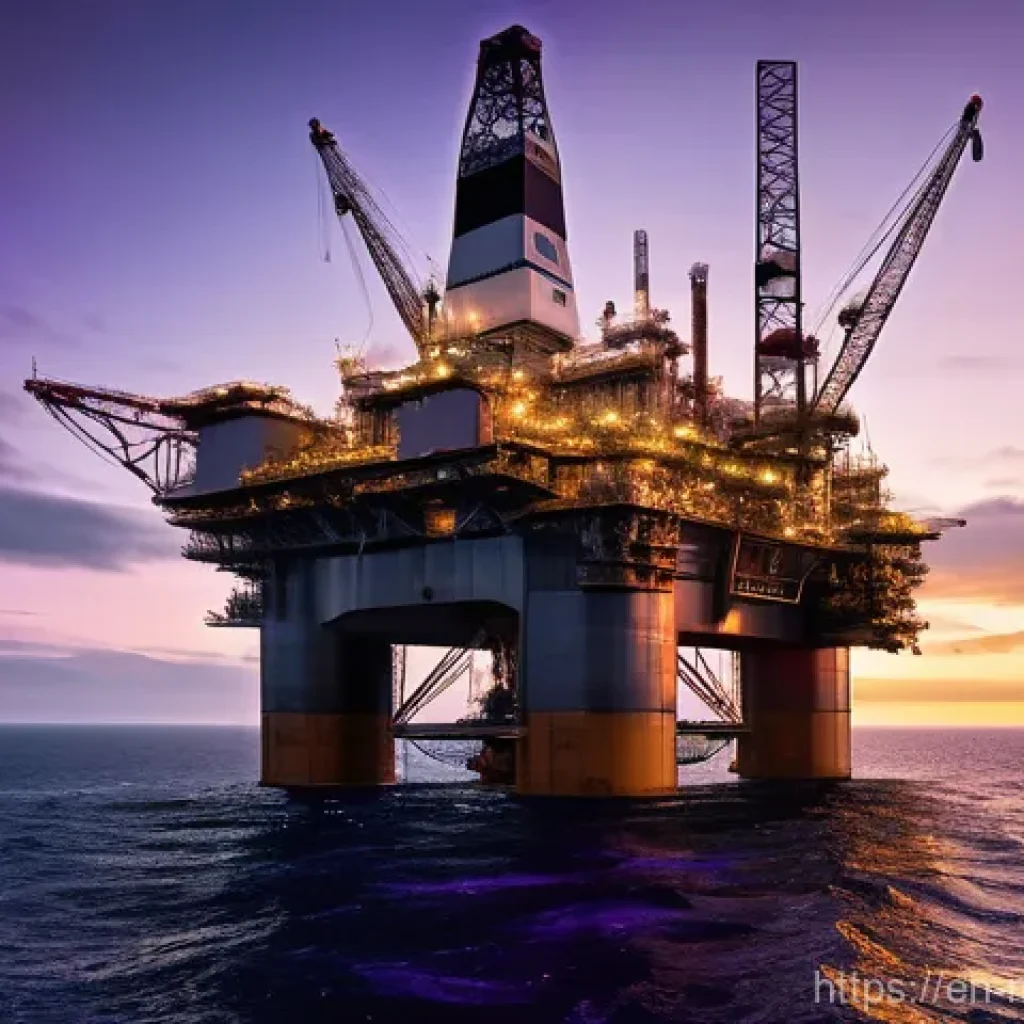
What truly blows my mind about offshore development is the sheer ingenuity involved. We’re talking about operations in water depths of thousands of feet, sometimes even deeper. The engineering challenges are monumental – imagine designing and constructing structures that can withstand hurricane-force winds, massive waves, and extreme pressures, all while operating with pinpoint precision miles beneath the surface. From seismic imaging that can map hydrocarbon reservoirs with incredible accuracy, to drill ships that are essentially floating cities, these are marvels of modern technology. I remember reading about the early days of offshore drilling, and comparing it to today’s ultra-deepwater capabilities, it’s like a different universe. We’re constantly innovating, finding new ways to make these operations safer and more efficient, even as we venture into increasingly challenging environments. It truly highlights human determination to overcome obstacles.
Navigating the Environmental Tides: Balancing Progress and Protection
Speaking of those challenging environments, we absolutely cannot ignore the environmental side of offshore fossil fuel development. This is where my personal concern really kicks in, and I know it’s a huge point of contention for many of you too. The sheer scale of these operations, often in pristine marine habitats, raises significant questions. I’ve heard so many compelling arguments from environmental groups, and frankly, they resonate deeply. We’re talking about delicate ecosystems that can be profoundly impacted by everything from seismic surveys, which can disturb marine life, to the potential for catastrophic oil spills. It’s a tightrope walk between securing energy and preserving the natural world, and honestly, sometimes it feels like we’re constantly on the verge of losing our balance. The conversation isn’t just about ‘if’ an accident happens, but ‘when’ and ‘how’ prepared we are to mitigate the damage.
The Delicate Dance with Marine Ecosystems
Our oceans are teeming with life, much of it still undiscovered and poorly understood. When you think about the noise pollution from drilling, the physical footprint of platforms, or the routine discharges that occur, it’s clear these activities aren’t without consequences. Whales, dolphins, and countless other species rely on specific acoustic environments for communication and navigation, and loud industrial sounds can disrupt these vital processes. Then there’s the risk of habitat alteration from pipelines and infrastructure. I’ve seen some incredible efforts by companies to minimize their impact, like using advanced waste management systems and employing biologists to monitor local wildlife. But even with the best intentions, the inherent risks remain. It’s a constant reminder that we’re dealing with living, breathing systems, and our actions can have ripple effects we don’t fully comprehend until it’s too late. It’s a genuine concern that often weighs on my mind when discussing these projects.
Spill Prevention and Response: Learning from the Past
The specter of major oil spills, like the Deepwater Horizon incident, looms large over the entire industry. These events serve as stark, painful reminders of the immense risks involved and the devastating, long-lasting consequences for marine environments and coastal communities. Since then, there’s been a massive push for stricter regulations, improved safety protocols, and more robust emergency response plans. I’ve heard experts talk about a significant shift in thinking, moving towards a ‘safety-first’ culture, and I’ve seen evidence of companies investing heavily in better equipment and training. Things like blowout preventers are now subjected to far more rigorous testing, and rapid deployment of containment systems is a priority. However, the reality is, operating in extreme conditions always carries a degree of risk. It’s a difficult truth to swallow, but one we absolutely must acknowledge and continue to address through ongoing innovation and vigilance. It reminds me of the old adage: prevention is always better than cure, especially when the ‘cure’ is so incredibly challenging.
Riding the Waves of Innovation: New Frontiers in Extraction
It’s not all doom and gloom on the offshore front; there’s also a fascinating story of relentless innovation and technological advancement that’s truly pushing the boundaries of what’s possible. I’m always amazed by how engineers and scientists tackle problems that seem insurmountable. We’re talking about developing solutions for environments that are as hostile as outer space, but deep beneath the ocean’s surface. This drive for efficiency and safety isn’t just about maximizing profits; it’s also about minimizing risk and impact, which is a win-win in my book. The investment in R&D in this sector is phenomenal, leading to breakthroughs that benefit not just oil and gas, but other marine industries as well. It’s a testament to human ingenuity when faced with incredible challenges.
Pioneering Ultra-Deepwater Exploration
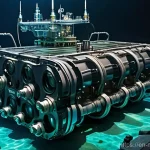
The concept of ultra-deepwater drilling used to sound like something out of a science fiction novel, didn’t it? But today, it’s a reality, with operations extending to water depths of over 10,000 feet and drilling even further into the seabed. This isn’t just about bigger rigs; it’s about entirely new systems for subsea production, from advanced risers that connect the seabed to the surface, to remotely operated vehicles (ROVs) that perform complex tasks in pitch-black, high-pressure environments. I’ve watched documentaries showing these ROVs at work, and it’s genuinely mesmerizing – they’re like robotic surgeons operating miles below the waves. The materials science involved, the computational fluid dynamics, the real-time data analysis from thousands of sensors – it’s all incredibly sophisticated. This frontier pushes our understanding of geology and oceanography too, revealing secrets about our planet we never knew existed. It’s truly a feat of modern engineering and a testament to how far we’ve come.
The Digital Revolution on the Rigs
Imagine an oil rig now operating like a sophisticated, interconnected digital hub. That’s the direction we’re heading in. Artificial intelligence, machine learning, and the Internet of Things (IoT) are transforming offshore operations. We’re seeing smart sensors everywhere, monitoring everything from pipeline integrity to weather patterns, feeding data into AI algorithms that predict potential failures before they happen. This predictive maintenance is a game-changer, improving safety and reducing downtime. Augmented reality is being used to train crews and assist with complex repairs. I even heard about digital twins – virtual replicas of entire offshore facilities that allow engineers to simulate operations and troubleshoot problems in a safe, controlled environment. This digital transformation isn’t just making operations more efficient; it’s fundamentally reshaping how decisions are made, moving from reactive to proactive, and truly making a difference in the daily lives of those working offshore. It makes you wonder what else is possible when we embrace these technologies wholeheartedly.
The Economic Undercurrents: Investment, Risk, and Reward
Let’s talk money, because let’s be real, economics drives a massive part of this conversation. Offshore fossil fuel development isn’t just about extracting resources; it’s a colossal global industry involving billions of dollars in investment, huge financial risks, and potentially massive rewards. Governments, national oil companies, and multinational corporations are all major players, each with their own complex motivations. The geopolitical implications are staggering, as energy security often dictates foreign policy and international relations. I’ve often wondered about the sheer scale of the financial commitments involved in a deepwater project—we’re not talking about a few million here, but often tens of billions of dollars for a single development. This isn’t a short-term game; these are investments with decades-long horizons, which means companies are constantly weighing future energy demand, commodity prices, and evolving regulatory landscapes. It’s a high-stakes poker game, and the chips are enormous.
Geopolitical Plays and Energy Security
From a geopolitical perspective, offshore energy is a strategic asset. Nations with significant offshore reserves often leverage these resources to gain influence on the world stage, secure their own energy independence, or even as a source of national wealth. Think about countries like Norway, whose offshore oil and gas wealth has funded a massive sovereign wealth fund, securing its future. Or consider the ongoing disputes in regions like the South China Sea, where claims over potential hydrocarbon reserves are a major driver of international tension. It’s a complex web of alliances and rivalries, all underscored by the fundamental need for reliable energy supplies. For importing nations, securing access to diverse sources, including offshore, is paramount to economic stability. I’ve seen how changes in global oil prices can ripple through entire economies, affecting everything from gas prices at the pump to inflation rates. It’s a powerful reminder of how interconnected our world truly is through the lens of energy.
The Cost of Doing Business at Sea
Developing an offshore oil or gas field is an incredibly expensive undertaking, far more so than onshore projects. The capital expenditure for exploration, appraisal, development, and production can be astronomical. This includes everything from the cost of specialized vessels and drilling rigs to the intricate subsea infrastructure and the decommissioning of facilities at the end of their lifecycle. These costs, combined with the inherent risks of working in a harsh marine environment, mean that only projects with significant potential returns are typically pursued. Here’s a brief look at some of the typical cost components:
| Cost Component | Description | Typical Impact on Project Budget |
|---|---|---|
| Exploration & Appraisal | Seismic surveys, exploratory drilling to confirm reserves. | 10-20% |
| Development & Production | Platform construction, subsea systems, pipelines, drilling production wells. | 60-70% |
| Operations & Maintenance | Routine upkeep, personnel, logistics, ongoing safety measures. | 10-15% (annually) |
| Decommissioning | Removal of infrastructure, site remediation after production ceases. | 5-10% (at end of life) |
As you can see, the initial outlay is massive, and ongoing costs are substantial. This table really brings home why these are such long-term, high-risk, high-reward ventures. It makes you appreciate the financial engineering required to bring these projects to fruition, and why companies are always looking for ways to optimize their operations and reduce these considerable expenditures. Every dollar saved on the operational side can translate into a significant boost in overall profitability, impacting shareholder value and future investment decisions.
The Shifting Sands: Policies, Regulations, and Public Pressure
The landscape of offshore fossil fuel development isn’t static; it’s constantly being reshaped by evolving government policies, tighter regulations, and increasing public pressure. This dynamic environment adds another layer of complexity for companies operating in this space. I’ve noticed a real tug-of-war between the desire for energy independence and economic growth on one side, and the imperative for environmental protection and climate action on the other. It’s a delicate balancing act for policymakers, trying to appease different stakeholders and navigate a path that serves both short-term needs and long-term sustainability goals. The decisions made in legislative chambers and regulatory bodies can have profound impacts, influencing where, when, and how offshore resources are developed, or if they are developed at all. This is where the debate gets truly intense and often very personal for many involved.
Global Governance vs. National Interests
Internationally, there’s a fascinating tension between global efforts to curb fossil fuel use and individual nations’ sovereign rights to develop their own resources. We see international agreements pushing for decarbonization, yet many countries are simultaneously issuing new licenses for offshore exploration, particularly in emerging energy frontiers like Namibia or Guyana. This often comes down to national interests: energy security, job creation, and revenue generation. I’ve followed the discussions at various climate conferences, and it’s clear that while the rhetoric is often about a swift transition away from fossil fuels, the practical realities for many nations are far more complex. It’s not as simple as flipping a switch. Developing nations, in particular, often argue that they need to utilize their natural resources to lift their populations out of poverty, just as developed nations did historically. This creates a difficult ethical and political dilemma for the global community, a conversation that really makes you stop and think about global equity.
The Activist’s Voice: Shaping the Debate
One of the most powerful forces shaping the future of offshore fossil fuels is public pressure, largely galvanized by environmental activists and concerned citizens. Organizations like Greenpeace and Oceana consistently challenge new projects, launch public awareness campaigns, and engage in legal battles to halt drilling. Their arguments often highlight the risks of spills, the impact on marine biodiversity, and the urgency of transitioning to renewable energy sources to combat climate change. I’ve seen firsthand how effective these campaigns can be in shifting public opinion and influencing policy decisions, sometimes leading to moratoriums or outright bans on new exploration. This constant scrutiny forces the industry to improve its environmental performance and transparency. It’s a crucial dialogue, even when it’s uncomfortable, because it ensures that the environmental costs are always part of the economic equation. Without these voices, it’s easy for the long-term consequences to be overshadowed by immediate gains, and that’s a balance we absolutely need to maintain for the health of our planet.
Beyond Black Gold: Is a Green Transition Possible Offshore?
As we look towards the future, it’s only natural to wonder if offshore fossil fuel development can truly coexist with a greener energy transition. It’s a question I ponder quite a bit myself. While the immediate answer might seem like a resounding “no” to some, the reality on the ground, or rather, at sea, is far more nuanced. There are intriguing developments happening where the very infrastructure and expertise used for oil and gas extraction are being eyed for roles in a more sustainable energy future. It’s about leveraging existing capabilities and knowledge to bridge the gap, which I find genuinely fascinating. It’s not about abandoning our deep-sea expertise; it’s about repurposing it, reimagining its utility in a world hungry for cleaner energy solutions. This transition won’t happen overnight, but the groundwork is definitely being laid, and it’s exciting to see the possibilities emerge.
Coexistence with Offshore Wind and Renewables
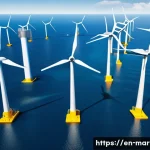
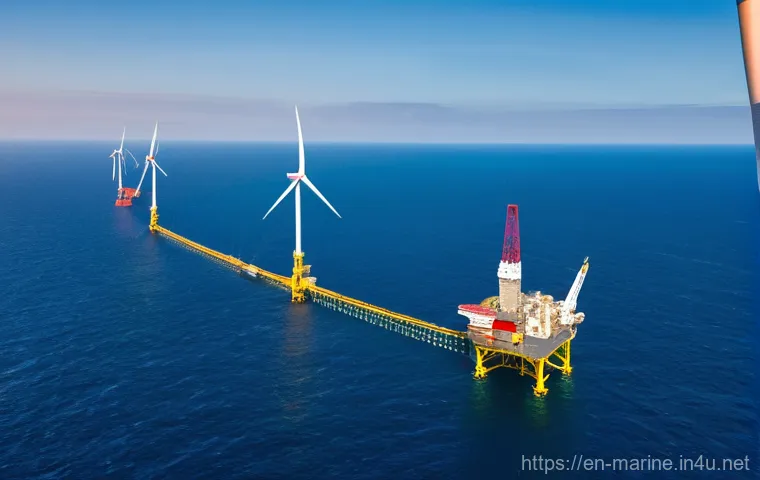
Picture this: a vast expanse of ocean, with an oil platform on the horizon, but nearby, towering offshore wind turbines are silently generating clean electricity. This vision of coexistence is becoming increasingly plausible. The same vessels, supply chains, and specialized maritime skills developed for offshore oil and gas are highly transferable to the burgeoning offshore wind sector. Many energy companies that traditionally focused solely on hydrocarbons are now heavily investing in offshore wind farms, leveraging their deepwater experience to build these massive structures. I’ve heard some argue that existing oil and gas platforms could even be repurposed as hubs for offshore wind or wave energy, reducing the need for entirely new infrastructure. It’s a smart way to transition, making the most of what we’ve already built and the incredible talent pool that exists. This cross-pollination of industries feels like a logical, practical step towards a more integrated and sustainable energy matrix.
Carbon Capture & Storage: A Sea Change?
Another fascinating area where offshore expertise could play a pivotal role in the green transition is Carbon Capture and Storage (CCS). The idea is to capture CO2 emissions from industrial sources and store them permanently, often deep underground in geological formations. Guess where some of the most promising storage sites are? Depleted offshore oil and gas reservoirs, or saline aquifers beneath the seabed. The industry already has extensive knowledge of drilling, reservoir management, and pipeline infrastructure in these offshore environments. I’ve seen proposals for massive CCS projects in the North Sea, for example, which could utilize existing infrastructure and the vast geological storage capacity there. While CCS isn’t a silver bullet and faces its own set of challenges, it’s considered by many to be a crucial technology for decarbonizing heavy industries. Leveraging offshore capabilities for CCS could be a significant step in reducing our overall carbon footprint, offering a pragmatic solution while we continue to scale up truly renewable energy sources. It’s a potential game-changer that really makes you think about the future of energy infrastructure.
What’s Next on the Horizon? My Personal Takeaways
So, after diving deep into all of this, what’s my personal take on the future of offshore fossil fuel development? It’s complicated, to say the least! We’re living in a world of paradoxes: increasing energy demand, especially in developing economies, coupled with an undeniable urgency to address climate change. I genuinely believe that offshore oil and gas will remain a significant part of the global energy mix for decades to come, even as renewables rapidly expand. The transition won’t be a sudden, dramatic flip of a switch, but rather a gradual evolution. My hope is that this evolution is guided by continuous innovation, stricter environmental stewardship, and a commitment to integrating cleaner technologies wherever possible. It’s about finding that crucial balance between meeting our energy needs today and safeguarding the planet for tomorrow, a challenge that truly requires all hands on deck.
The Enduring Role of Offshore
Despite the growing momentum for renewable energy, the sheer scale of global energy consumption means that traditional sources, including offshore oil and gas, won’t disappear overnight. The energy density of fossil fuels, their established infrastructure, and their critical role in industries beyond electricity generation (think petrochemicals, plastics, transportation) ensure their continued relevance. I’ve learned that a balanced perspective is key here. It’s not about an either/or scenario in the immediate future; it’s about a ‘both/and’ situation where we simultaneously pursue all viable energy options. Offshore resources provide an important buffer during the transition, ensuring energy security and stability as we build out renewable capacity. For many nations, particularly those with new discoveries, it represents a vital economic lifeline, and ignoring that reality would be disingenuous. We need to acknowledge this enduring role while pushing for the highest possible environmental standards and accelerating the shift to cleaner alternatives.
A Call for Balanced Vision
Ultimately, what I’ve taken away from exploring this topic is the profound need for a balanced vision. It requires governments, industries, environmental groups, and individuals to engage in constructive dialogue, rather than entrenched opposition. We need to support the incredible engineers and scientists who are working to make offshore operations safer and more efficient, while also demanding greater accountability and accelerating investment in truly sustainable energy solutions. It’s about understanding the nuances, recognizing the interconnectedness of our global energy system, and pushing for intelligent, pragmatic approaches that address both our immediate energy needs and our long-term environmental responsibilities. It’s a tough path, but one we must navigate with an open mind and a commitment to a healthier, more sustainable future for everyone. It truly feels like a collective endeavor that we all have a stake in, and I hope we can find common ground to move forward effectively.
Closing Thoughts
Well, friends, that was quite the journey, wasn’t it? Diving into the intricate world of offshore fossil fuel development has certainly given me a lot to chew on.
It’s a field brimming with innovation, economic powerhouse moves, and very real environmental dilemmas. Ultimately, what truly stands out is the complex interplay of these factors.
It’s a dynamic, ever-evolving landscape where progress isn’t just about what we extract, but how we adapt and innovate towards a more sustainable future.
This conversation is far from over, and I’m genuinely optimistic that with continued dialogue and ingenuity, we can navigate these challenging waters together.
Useful Information to Know
1. The global demand for energy continues to rise, especially in developing nations, meaning conventional sources like offshore oil and gas will likely play a transitional role for several more decades. This isn’t just about electricity, but also vital products like plastics and fertilizers.
2. Advancements in technology, such as ultra-deepwater drilling and advanced seismic imaging, are pushing the boundaries of what’s possible in offshore extraction, making previously inaccessible reserves viable. This technological push is also improving safety and efficiency.
3. Offshore infrastructure and expertise, developed over decades for fossil fuels, are increasingly being repurposed for renewable energy projects, particularly offshore wind farms and potentially for Carbon Capture and Storage (CCS). This synergy could accelerate the green transition.
4. Environmental regulations and public pressure are consistently driving the industry towards higher safety standards and greater environmental stewardship, leading to significant investments in spill prevention and mitigation technologies. Activism plays a crucial role in maintaining this pressure.
5. The economic and geopolitical implications of offshore energy are profound, with nations leveraging these resources for energy security, economic growth, and international influence. This strategic importance complicates the rapid shift away from fossil fuels for many countries.
Key Takeaways
The discussions around offshore fossil fuel development are deeply layered, reflecting a constant push and pull between energy security, economic realities, and environmental imperatives.
My experience researching this topic has highlighted that while the world is undeniably moving towards a greener future, the transition from traditional energy sources, particularly offshore oil and gas, will be gradual and complex.
It’s clear that the industry’s incredible technological prowess, honed over decades in some of the planet’s most challenging environments, is now a double-edged sword: a testament to human ingenuity but also a source of ongoing environmental concern.
However, I’ve also seen compelling evidence that this very expertise and infrastructure could become a bridge to a sustainable future, especially through its application in offshore wind and carbon capture technologies.
Ultimately, navigating this landscape requires a nuanced, balanced approach—one that acknowledges our current energy needs while relentlessly pursuing innovation and responsible practices to safeguard our planet for generations to come.
It’s a collective challenge, and our ability to adapt and collaborate will define our success.
Frequently Asked Questions (FAQ) 📖
Q: uestions
A: bout Offshore Fossil Fuel Development
Q: Why are we still pushing for offshore fossil fuel development when everyone’s talking about renewables and clean energy?
A: This is a question I hear all the time, and honestly, it’s one I’ve pondered myself! The simple truth is, while renewables like solar and wind are growing incredibly fast (and trust me, I’m a huge fan!), they’re not yet equipped to meet 100% of our global energy demand, especially for consistent “baseload” power and certain industrial processes.
We’ve built our entire modern world on fossil fuels, and that infrastructure—from power plants to transportation systems—can’t just vanish overnight. It’s a massive, multi-trillion-dollar investment that will take decades to fully transition.
Plus, for many nations, offshore drilling offers crucial economic benefits: it creates desirable jobs, boosts local and national economies, and helps countries achieve a degree of energy independence, which is a huge deal given today’s geopolitical landscape.
I’ve seen firsthand how conversations around energy security have intensified, making locally sourced energy even more appealing to governments. It’s not really an either/or situation right now, but a complex, ongoing balancing act to keep the lights on and industries running while we build out that greener future.
Q: What’s the real deal with the environmental risks of offshore drilling?
A: re we doing anything to make it safer and more sustainable? A2: You’re absolutely right to be concerned about the environmental side of things – it’s a critical aspect we can’t ignore.
Historically, we’ve seen the devastating impact of oil spills, seismic testing affecting marine life, and the general disruption to delicate ocean ecosystems from construction and noise.
However, having followed this industry closely, I’ve noticed a significant shift towards more rigorous mitigation efforts. Companies are investing heavily in advanced safety protocols, real-time monitoring, and cutting-edge spill prevention and response technologies to minimize these risks.
We’re talking about automated systems for leak detection, underwater robots (ROVs/AUVs) for inspections in dangerous areas, and even improved emergency response plans that were barely a whisper a decade ago.
Some innovative solutions even involve using new polymers to protect pipelines and specialized drilling fluids designed to be less harmful to marine environments.
Plus, before any new project starts, comprehensive environmental impact assessments are (or should be!) mandatory, aiming to minimize disturbance to habitats.
It’s a constant battle, but the technology and regulatory scrutiny are definitely evolving.
Q: Which regions are becoming the next big frontiers for offshore oil and gas, and why should we even care about these distant projects?
A: It’s fascinating to watch these new regions emerge as hotspots, isn’t it? From my perspective, keeping an eye on these “frontier” areas is vital because they tell us a lot about global energy supply, future prices, and even geopolitical shifts.
Right now, regions like Namibia’s Orange Basin and Guyana are absolutely buzzing with activity, following some significant multi-billion-barrel discoveries in recent years.
Suriname is another country making headlines, with major companies like TotalEnergies and Chevron staking their claims in its offshore blocks. We’re also seeing increased exploration in places like Angola’s Namibe Basin and even renewed interest in the Gulf of Mexico.
The “why” behind this push is a mix of factors: new geological understanding, technological advancements that make previously inaccessible reserves viable, and often, favorable government policies and economic incentives designed to attract major oil and gas companies.
These projects are crucial because they directly impact the global supply chain, influencing everything from the cost of your commute to the energy security of entire nations.
So, even if they seem far away, these developments ripple across the entire world, including right here at home.