Our oceans, vast and mysterious, are more vital to our planet’s future than ever before, brimming with resources that hold keys to global progress. But managing this incredible bounty isn’t a solo mission anymore; it’s a testament to what we can achieve when nations truly collaborate for a common goal.
I’ve been watching this space closely, and it’s inspiring to see how global partnerships are tackling everything from sustainable fishing to unlocking the ocean’s energy potential, all while facing the urgent challenges of climate change and marine conservation head-on.
The innovation and shared vision emerging today are truly setting the stage for a thriving blue economy tomorrow. Ready to explore the exciting frontiers of international cooperation in marine resource development?
Let’s dive deeper into how we’re making it happen.
Charting a Course Together: Why Global Ocean Partnerships are Non-Negotiable
You know, for years, I’ve been absolutely captivated by the sheer scale and mystery of our oceans. They’re not just vast bodies of water; they’re the beating heart of our planet, and honestly, the thought of managing such an incredible, sprawling resource on our own feels a bit overwhelming, doesn’t it? That’s why, when I look at the challenges and opportunities our marine environments present, it becomes crystal clear: global partnerships aren’t just a good idea, they’re utterly non-negotiable. I’ve seen firsthand how a unified approach can cut through red tape and bring together diverse expertise, making headway on issues that no single nation could ever hope to tackle alone. It’s about more than just sharing the burden; it’s about amplifying our collective impact, pooling our resources, and leveraging the best minds from around the world to safeguard something that belongs to all of us. This isn’t just theory for me; I’ve watched as seemingly insurmountable problems, like widespread illegal fishing or the daunting task of mapping deep-sea ecosystems, begin to yield to the power of nations working hand-in-hand. It’s a truly inspiring sight, making me feel hopeful for what’s ahead.
The Shared Bounty: Resources Beyond Borders
- When we talk about marine resources, we’re not just whispering about fish. Oh no, it’s so much more expansive than that! I mean, think about the immense potential for renewable energy lurking beneath the waves, from the steady rhythm of tidal power to the sheer force of ocean currents. Then there are the mineral deposits, the incredible biodiversity that holds untold secrets for medicine and biotechnology, and of course, the fundamental role the ocean plays in regulating our climate. These aren’t just national assets; they are a global commons, an inheritance for all humanity. What I’ve personally observed is that when countries recognize this shared ownership, the conversation shifts from competition to collaboration. It’s no longer about who can grab the most, but how we can all responsibly manage and benefit from this shared bounty, ensuring its sustainability for generations to come. It’s a powerful change in perspective that genuinely excites me.
- I’ve always believed that the ocean’s vastness is both its most compelling feature and its greatest challenge. The very idea that a nation could unilaterally claim full stewardship over, say, highly migratory fish stocks or the global carbon sink capacity of the ocean simply doesn’t align with reality. That’s why I’m so passionate about these international dialogues. They create frameworks where everyone has a seat at the table, where the voices of small island developing states are just as crucial as those of major industrial powers. It’s about developing equitable solutions, making sure that the benefits derived from these shared resources are distributed fairly, and that the environmental costs aren’t disproportionately borne by the most vulnerable. This spirit of fairness, in my experience, is what truly underpins successful, long-lasting partnerships.
Bridging the Gaps: Innovative Approaches to Sustainable Fisheries
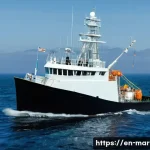
Sustainable fishing might sound like a buzzword, but let me tell you, when you delve into the real-world implications, it’s nothing short of crucial for the livelihoods of millions and the health of our planet. I’ve spent countless hours researching and engaging with experts, and what truly stands out to me is how international cooperation is revolutionizing the way we approach fisheries management. It’s not just about setting quotas anymore; it’s about integrating cutting-edge technology, sharing scientific data across borders, and fostering a global network of best practices. Frankly, seeing how traditional fishing communities are now connecting with scientific bodies and international organizations to create more resilient and equitable systems really warms my heart. This holistic approach ensures that we’re not just chasing fish, but actively nurturing the ecosystems they depend on, safeguarding them for tomorrow. My personal journey through this topic has shown me that without these collaborative efforts, we’d be swimming against a much stronger current, making little progress against overfishing and illegal practices. It’s tough work, but the payoff is immense.
Tech-Driven Solutions for Smarter Fishing
- Oh, the advancements in fishing technology are truly mind-blowing! I’ve seen how satellite monitoring, drone surveillance, and sophisticated data analytics are completely transforming the fight against illegal, unreported, and unregulated (IUU) fishing. Countries are sharing real-time information, tracking vessels, and pinpointing suspicious activities with an accuracy that was unimaginable just a decade ago. It’s like equipping a global neighborhood watch for our oceans. What really impresses me is how this isn’t just about enforcement; it’s also about empowering legitimate fisheries with better tools for sustainable practices, like precision fishing gear that minimizes bycatch. I remember speaking with a fisheries manager who told me how a new international data-sharing platform drastically reduced their enforcement costs and improved the accuracy of their stock assessments. It truly illustrates how smart tech, when shared and applied collaboratively, becomes a game-changer.
- Beyond surveillance, I’m also seeing amazing innovations in aquaculture, driven by international research and development. From land-based recirculating aquaculture systems that minimize water usage to offshore farms that reduce environmental impact, these advancements are often the result of cross-border scientific collaboration. My gut feeling is that these kinds of shared technological leaps are absolutely vital. We can’t expect every nation to reinvent the wheel, right? Instead, by openly exchanging knowledge and jointly investing in R&D, we accelerate the development of solutions that can feed a growing global population without depleting wild stocks. It’s a pragmatic and powerful way forward, and one I feel incredibly optimistic about.
Unlocking the Blue Energy Revolution: Collaborative Pathways
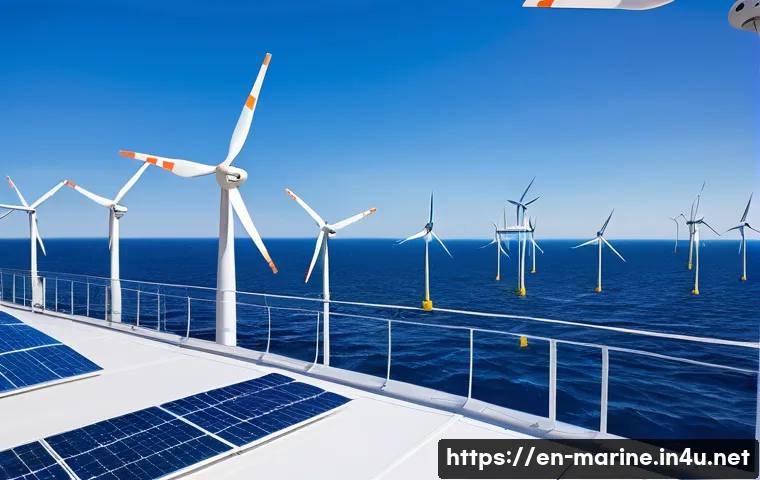
The quest for sustainable energy sources has led us to look beyond land, and honestly, the potential of the ocean is simply astounding. I’ve been following the developments in blue energy for years, and what truly excites me is the burgeoning international collaboration in this field. It’s not just about one nation trying to harness the power of the tides or waves; it’s about a global effort to research, develop, and deploy technologies that can provide clean, renewable energy on a massive scale. I’ve personally seen how joint ventures, often involving a mix of government bodies, private enterprises, and academic institutions from different countries, are accelerating innovation in ways that would be impossible in isolation. The sheer engineering complexity of these projects demands a pooling of expertise and resources, and it’s a testament to human ingenuity when nations come together to tackle such monumental challenges. This collaborative spirit, I believe, is absolutely key to transitioning to a truly sustainable energy future for our planet.
Harnessing Ocean Power: From Tides to Thermal Gradients
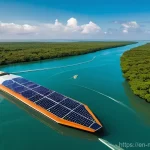
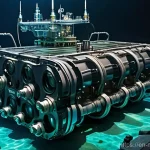
- When I delve into the specifics, the diversity of ocean energy technologies is truly fascinating. We’re talking about everything from massive tidal barrages and dynamic wave energy converters to the more nascent, but incredibly promising, ocean thermal energy conversion (OTEC) systems that tap into temperature differences in the water column. Each of these technologies presents unique engineering hurdles and environmental considerations, and that’s precisely where international collaboration shines brightest. I’ve read about multinational consortia sharing data from pilot projects, jointly developing new materials that can withstand the harsh marine environment, and even creating standardized testing protocols to accelerate commercialization. It’s a huge undertaking, and frankly, I’m thrilled to see how different nations bring their specialized knowledge to the table, whether it’s deep-sea engineering expertise from one country or advanced materials science from another. This cross-pollination of ideas and skills is what truly drives progress.
- It’s not just about the big, flashy projects either. I’ve learned that much of the groundwork for these technologies relies on fundamental research, often conducted by international scientific teams. They’re working on everything from understanding wave dynamics to assessing the ecological impact of underwater turbines. The data collected from these collaborative research efforts is invaluable, informing everything from site selection to device design. For me, it underscores the point that while the energy potential is immense, unlocking it responsibly requires a truly concerted global effort, ensuring that we’re not just solving one problem (energy scarcity) by inadvertently creating another (environmental damage). It’s a delicate balance, and I firmly believe international partnerships are the best way to maintain it.
Safeguarding Our Underwater Treasures: Joint Conservation Efforts
I’ve always felt a deep, almost personal connection to the incredible biodiversity of our oceans. When I think about the vibrant coral reefs, the mysterious deep-sea vents, and the magnificent marine mammals that call these waters home, the urgency of conservation becomes palpable. And honestly, for a long time, the scale of marine degradation felt overwhelming – plastic pollution, habitat destruction, climate change impacts… it felt like an uphill battle. But what has truly given me renewed hope are the powerful international conservation efforts now taking shape. I’ve watched as nations, often with vastly different priorities, come together, driven by a shared understanding that these ecosystems are interconnected and invaluable. It’s a testament to our collective responsibility, demonstrating that when we unite, we can move mountains – or in this case, protect oceans. I’ve seen some truly remarkable projects come to fruition through these collaborations, and it genuinely makes me believe that a healthier ocean future isn’t just a dream, but an achievable reality.
Protecting Marine Biodiversity Hotspots
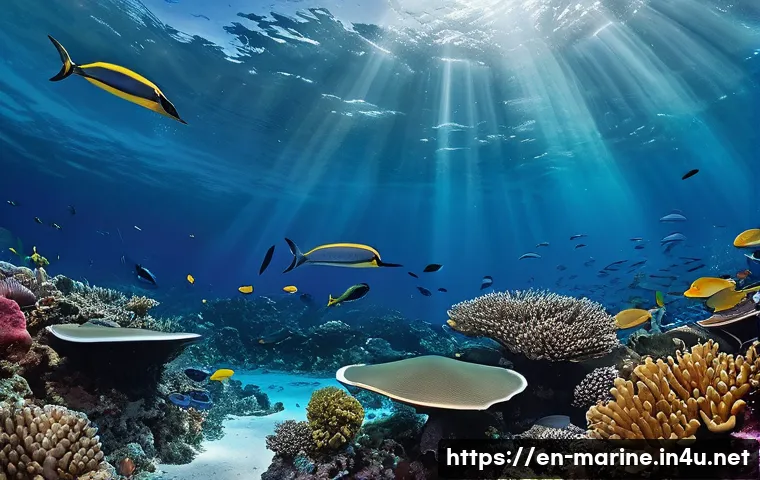
- When it comes to biodiversity, certain areas of our oceans are just bursting with life – these are the hotspots we absolutely must protect. I’m talking about places like the Coral Triangle, the deep-sea hydrothermal vents, or critical migratory routes for whales and sea turtles. What’s amazing is how international agreements and collaborative initiatives are creating vast marine protected areas (MPAs) and networks of MPAs that transcend national boundaries. I’ve studied cases where multiple countries bordering a shared marine ecosystem have worked together to establish coherent conservation strategies, sharing surveillance data, coordinating enforcement, and even engaging local communities in stewardship. It’s not an easy feat, given varying national interests, but the successes I’ve witnessed are incredibly inspiring. It shows that the desire to preserve these ecological treasures often outweighs political differences, leading to truly impactful, long-term conservation outcomes.
- Beyond MPAs, I’ve seen some innovative international programs focusing on specific endangered species. Whether it’s joint research into the breeding grounds of critically endangered fish or coordinated efforts to reduce bycatch of marine mammals, these collaborations bring together scientists, conservationists, and even fishermen from different nations. For me, it highlights the scientific and practical expertise that can be marshaled when the world agrees on a common objective. It’s a complex dance of diplomacy, science, and grassroots engagement, but the tangible results—like recovering populations of certain marine species—make all the effort undeniably worthwhile.
The Economic Ripple Effect: Opportunities in the Blue Economy
You know, when we talk about the oceans, our minds often jump straight to conservation or maybe even tourism. But what has truly blown me away recently is the burgeoning “blue economy” – the sustainable use of ocean resources for economic growth, improved livelihoods, and ocean ecosystem health. This isn’t just some academic concept; I’ve personally seen how international collaboration is unlocking incredible new economic opportunities that are both profitable and profoundly sustainable. It’s about leveraging the ocean’s potential in smart, responsible ways, creating jobs, fostering innovation, and genuinely boosting coastal communities. What truly excites me is the shift in mindset; it’s no longer about exploitation, but about intelligent, integrated development that benefits people and planet alike. This global push for a sustainable blue economy feels like a genuine game-changer, and I’m so here for it.
New Industries, New Jobs: Diversifying Coastal Economies
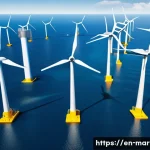
- I’ve always been a firm believer that economic growth doesn’t have to come at the expense of the environment. And the blue economy, especially when driven by international partnerships, proves this point beautifully. Think about offshore wind farms, which often involve multinational investment and expertise, creating thousands of jobs in manufacturing, installation, and maintenance across different countries. Or consider the booming sustainable aquaculture sector, which is seeing incredible growth thanks to shared research and market access agreements. I’ve seen examples where international development banks and aid organizations collaborate with local governments to support small-scale enterprises in coastal regions, helping them transition from unsustainable practices to eco-friendly ventures like seaweed farming or eco-tourism. These aren’t just abstract ideas; they’re real, tangible opportunities that diversify economies and create resilient livelihoods, especially in areas that have historically relied on dwindling resources.
- It’s also about building capacity. I’ve observed countless programs where developed nations share their expertise and technology with developing countries, enabling them to build their own blue economy sectors. This includes training in marine science, sustainable fisheries management, port logistics, and even marine spatial planning. This transfer of knowledge and skills is, in my opinion, one of the most powerful aspects of international cooperation. It empowers local communities to take ownership of their marine resources and develop them in a way that truly benefits them, rather than relying solely on external entities. It’s a win-win situation, fostering both economic prosperity and environmental stewardship.
Overcoming Obstacles: Navigating Geopolitical Waters
Let’s be real for a moment: international cooperation, especially when it involves something as vast and strategically important as our oceans, isn’t always smooth sailing. There are geopolitical complexities, competing national interests, and historical tensions that can often feel like insurmountable waves. I’ve followed countless discussions and negotiations, and it’s clear that bridging these divides requires immense patience, skillful diplomacy, and a genuine commitment to finding common ground. Yet, what continues to inspire me is seeing how, time and again, nations do manage to come together, driven by the understanding that the long-term benefits of collaboration far outweigh the short-term gains of isolation. It’s a continuous process of dialogue, compromise, and trust-building, but the successes, even small ones, truly affirm the power of collective action. This isn’t just political maneuvering; it’s about safeguarding a global commons that demands our shared responsibility, even when the path is rocky.
Diplomacy on the High Seas: Building Consensus
- I’ve always been fascinated by the intricacies of international diplomacy, and nowhere is it more critical than in ocean governance. From negotiating international treaties on deep-sea mining to establishing shared protocols for marine scientific research, building consensus among diverse nations is a monumental task. What I find particularly impressive is how multilateral forums, like the United Nations, play a pivotal role in facilitating these dialogues. They provide a neutral ground where countries can voice concerns, present scientific evidence, and collaboratively draft agreements that respect sovereignty while addressing global challenges. I’ve read about marathon negotiation sessions that lasted weeks, with delegations from every corner of the globe hashing out details line by line. It truly demonstrates the human effort and dedication required to forge agreements that impact the future of our oceans. It’s tough, but absolutely essential work.
- A crucial element, in my observation, is the role of scientific diplomacy. When scientists from different countries collaborate on research, sharing data and insights, they often build bridges that politicians can then walk across. Their objective, evidence-based approach can often de-escalate tensions and illuminate mutually beneficial pathways forward. I recall a specific instance where joint research on fish stock migration patterns helped resolve a long-standing dispute between two neighboring countries over fishing rights. It’s a powerful reminder that sometimes, facts and shared understanding are the strongest diplomatic tools we have.
My Take: What I’ve Learned from the Front Lines of Ocean Diplomacy
After immersing myself in the world of marine resource development and international cooperation for so long, I’ve gathered some pretty strong convictions about what truly makes these partnerships tick. It’s one thing to read about agreements and policies, but it’s another entirely to understand the human element, the dedication, and often, the sheer grit required to make them work. What I’ve come to realize is that the ocean, with all its complexities and boundless potential, is perhaps the ultimate test of our collective ability to look beyond immediate self-interest and work towards a shared future. It’s a journey, not a destination, and along the way, I’ve picked up on some key principles that I believe are absolutely vital for anyone interested in the future of our blue planet. These aren’t just talking points; these are insights gleaned from watching these efforts unfold, sometimes flawlessly, sometimes with significant stumbles, but always with an underlying hope for progress.
The Power of Persistent Dialogue
- If there’s one thing I’ve seen time and again, it’s that progress in international ocean affairs rarely comes from a single, grand declaration. Instead, it’s the result of persistent, often painstaking, dialogue. I’ve witnessed countless meetings, workshops, and informal discussions where representatives from different nations, sometimes with very different agendas, just keep showing up. They keep talking, they keep listening, and they keep trying to understand each other’s perspectives. It’s not glamorous, but it’s incredibly effective. What I’ve personally felt is that this continuous engagement slowly but surely erodes mistrust and builds the foundations for genuine collaboration. It allows for the subtle shifts in understanding and the incremental agreements that eventually lead to major breakthroughs. It’s like tending a garden; you have to keep watering it, even if you don’t see immediate growth, because eventually, the fruits of that labor will appear.
- This persistence also extends to learning from failures. I’ve seen projects that didn’t quite hit their mark, or agreements that faced unexpected hurdles. But the truly successful international partnerships don’t just throw in the towel. Instead, they debrief, they analyze what went wrong, and they use those lessons to refine their approach. It’s this resilience and commitment to continuous improvement, fueled by ongoing dialogue, that I find so inspiring. It reminds me that even when things get tough, the fundamental desire to protect and sustainably utilize our oceans is a powerful unifying force.
| Area of Cooperation | Examples of Initiatives | Anticipated Benefits |
|---|---|---|
| Sustainable Fisheries Management | Regional Fisheries Management Organizations (RFMOs), Port State Measures Agreement (PSMA), joint scientific stock assessments. | Prevent overfishing, combat IUU fishing, ensure food security, protect marine ecosystems. |
| Marine Conservation | Establishment of transboundary Marine Protected Areas (MPAs), global anti-plastic pollution campaigns, species-specific conservation agreements. | Preserve biodiversity, protect vulnerable habitats, mitigate climate change impacts, maintain ecosystem services. |
| Blue Energy Development | Joint research and development projects for offshore wind, tidal, and wave energy; international standards for ocean energy technologies. | Accelerate renewable energy transition, reduce carbon emissions, create green jobs, enhance energy independence. |
| Ocean Science and Research | International scientific expeditions, global ocean observation systems, data sharing platforms, collaborative research on climate change impacts. | Improve understanding of ocean processes, inform policy decisions, develop innovative solutions for marine challenges. |
| Capacity Building and Technology Transfer | Training programs for developing countries in marine science, sustainable aquaculture, port management, and maritime security. | Empower local communities, foster economic growth, bridge technological gaps, enhance regional cooperation. |
Concluding Thoughts: Charting a Shared Future
Stepping back and reflecting on everything we’ve discussed, it’s clear to me that our oceans truly represent one of humanity’s greatest shared responsibilities – and opportunities. I’ve personally felt the shift from viewing these vast waters as separate national domains to recognizing them as a deeply interconnected global commons. It’s a powerful realization, reminding us that the health of our planet’s largest ecosystem hinges on our ability to work together, bridging divides, sharing knowledge, and fostering a spirit of genuine collaboration. Honestly, seeing how far we’ve come and the incredible potential that still lies ahead, fills me with immense hope for a bluer, more sustainable future for everyone.
Useful Information to Know
1.
Stay Informed: Make it a habit to follow reputable environmental organizations and news outlets that report on ocean conservation and sustainable development. Understanding global efforts helps you appreciate the impact of collaboration and where your support can make a difference. Knowledge empowers us all.
2.
Make Sustainable Choices: When purchasing seafood, always look for certifications from organizations like the Marine Stewardship Council (MSC). These labels indicate responsibly caught or farmed products, directly supporting sustainable fishing practices and helping to combat illegal, unreported, and unregulated (IUU) fishing globally.
3.
Minimize Your Plastic Use: The global plastic pollution crisis demands our attention. Adopt a lifestyle that minimizes single-use plastics, recycle properly, and consider participating in local clean-up initiatives. Every small action to reduce plastic waste helps protect marine life and ecosystems worldwide.
4.
Advocate for Ocean Policy: Reach out to your elected officials to express support for policies that promote international ocean cooperation, stronger marine protected areas, and climate action. Your voice, combined with others, can influence governmental decisions towards more robust global ocean governance and conservation.
5.
Educate and Share: Spread awareness about the critical role of our oceans and the importance of global partnerships. By sharing fascinating facts and urgent challenges with your friends and family, you help foster a deeper collective appreciation and commitment to protecting our blue planet for future generations.
Key Takeaways
Ultimately, the journey towards a healthy, sustainably managed ocean is a collective one. We’ve seen that global partnerships are absolutely essential for addressing complex challenges like illegal fishing, developing innovative blue energy solutions, and safeguarding invaluable marine biodiversity. Through persistent dialogue, shared scientific expertise, and a commitment to equitable economic opportunities, nations are increasingly realizing that our fates are interconnected. It’s about amplifying our impact by working hand-in-hand, ensuring that the incredible bounty and vital services our oceans provide are preserved and thrive for generations to come. Your engagement, no matter how big or small, plays a crucial role in this vital global mission.
Frequently Asked Questions (FAQ) 📖
Q: It’s so inspiring to hear about these global partnerships! But honestly, how do they actually translate into real, tangible action that protects our oceans and supports communities?
A: That’s a fantastic question and one I get asked a lot! From my vantage point, watching these initiatives unfold, it’s clear they’re not just talk. What I’ve personally observed is a powerful shift towards practical, on-the-ground solutions.
Think about Marine Protected Areas (MPAs), for instance. These partnerships are instrumental in establishing and managing vast zones where marine life can truly recover and thrive, which is critical for biodiversity and even helping store carbon.
I’ve seen how they bring together scientists, local governments, and even indigenous communities to develop sustainable fishing practices that ensure fish populations rebound, securing livelihoods for generations to come, not just a quick catch.
We’re also seeing amazing advancements in tackling ocean pollution, like the concerted efforts to reduce plastic waste through innovative technologies and stricter regulations, which is a huge relief when you consider the sheer scale of the problem we’ve faced.
It’s about building a framework where everyone benefits, and from what I’ve experienced, that collaborative spirit is what truly drives measurable, positive change.
Q: Building these kinds of international collaborations sounds incredibly complex. What are some of the biggest challenges these partnerships encounter, and how are they managing to overcome them?
A: You’ve hit on a crucial point – it’s definitely not a walk in the park! The ocean is a shared space, but countries often have wildly different priorities and economic pressures.
One of the biggest hurdles, from what I’ve gathered, is simply getting everyone on the same page and ensuring sustained commitment, especially when it comes to funding and political will.
Climate change itself presents an enormous challenge, with rising sea temperatures and ocean acidification impacting marine ecosystems globally, making conservation efforts even more urgent and complex.
Then there’s the ongoing battle against illegal fishing and pollution, which don’t respect borders. However, what gives me so much hope is seeing how these partnerships are tackling these head-on.
They’re fostering open dialogue and knowledge-sharing, like the Sustainable Blue Economy Partnership bringing together over 70 partners from 30 countries to pool resources and expertise.
They’re leveraging cutting-edge data and technology for better monitoring and enforcement. And crucially, they’re emphasizing the long-term economic benefits of a healthy ocean, which helps align national interests and keeps everyone focused on the bigger picture.
It’s a continuous learning process, but the dedication is truly inspiring.
Q: We often hear about environmental benefits, but how do these international marine partnerships actually create concrete economic opportunities and improve people’s lives in a tangible way?
A: That’s a question I absolutely love to dive into because it connects directly to why I’m so passionate about the “blue economy”! When nations collaborate on marine resources, it’s not just about saving the whales – it’s about creating thriving, sustainable economies for everyone.
I’ve seen firsthand how these partnerships unlock incredible potential. For instance, by promoting sustainable aquaculture and fishing practices, we’re not just protecting fish stocks; we’re ensuring long-term food security and creating stable jobs for coastal communities.
Beyond that, there’s a huge wave of innovation in renewable ocean energy and marine biotechnology, which are creating entirely new industries and high-tech jobs that didn’t even exist a decade ago.
Think about how ecotourism thrives when marine environments are healthy, attracting visitors and boosting local businesses, from guides to restaurants.
And let’s not forget coastal protection: collaborative efforts to restore mangroves and coral reefs act as natural barriers against storms, saving billions in potential damages and protecting homes and livelihoods.
From what I’ve observed, these partnerships are literally building a wealthier, healthier future, one ocean-friendly innovation at a time.