Hey there, ocean lovers and future thinkers! I’ve always been captivated by the sheer power and mystery of our planet’s vast blue expanse. It’s easy to get swept up in the incredible potential the ocean holds for humanity – visions of boundless clean energy, untapped mineral riches, and new frontiers for food production often dominate the headlines.
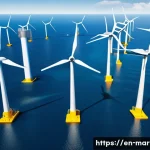
We’re constantly hearing about groundbreaking advancements, from offshore wind farms stretching to the horizon to the intriguing prospect of deep-sea mining for critical rare earth elements.
It truly sounds like the solution to so many of our modern challenges, doesn’t it? But lately, as I’ve been diving deeper into these exciting developments, a more sobering reality has come into focus.
While the allure of unlocking these marine treasures is undeniably strong, have we truly stopped to consider the delicate balance we might be disrupting?
It’s not just about what we stand to gain; it’s about the irreversible consequences and the precious ecosystems we risk losing forever. From the silent, slow-growing life forms in the deepest trenches to the intricate food webs that sustain our planet, the ocean is a living, breathing entity.
With global discussions intensifying around sustainable practices and environmental protection, it feels like we’re at a critical crossroads. What if our solutions create bigger, more complex problems down the line, affecting everything from climate regulation to the very biodiversity that makes our world so vibrant?
Having personally explored reports and expert opinions, I’ve realized that understanding the full scope of these ventures requires us to look beyond the surface benefits.
Let’s delve into the hidden dangers and intricate challenges that marine resource development truly presents.
Unveiling the Ocean’s Vulnerable Heart: The Ecological Price of Progress
The Silent Scars of Deep-Sea Mining
Oh, the thought of gleaming rare earth metals lying untouched on the seabed, just waiting to power our next generation of tech! It sounds so promising, doesn’t it?
But as I’ve dug into this, literally and figuratively, I’ve realized the true cost of deep-sea mining is simply staggering, and it’s mostly hidden from our view.
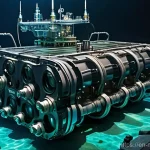
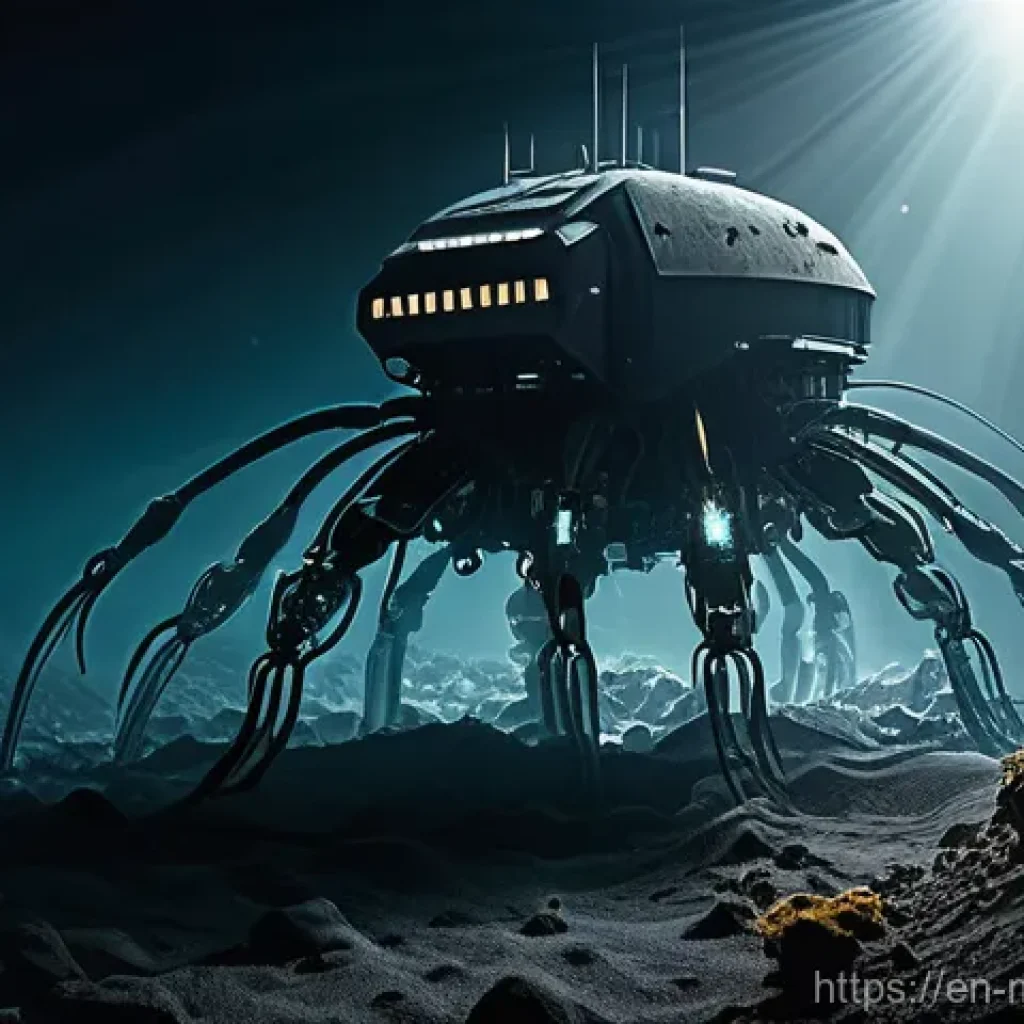
Imagine massive machines, like something out of a sci-fi movie, crawling across the abyssal plains, scraping off the seafloor. This isn’t just a minor disturbance; it’s a complete devastation of habitats that have taken millions of years to form.
We’re talking about extinguishing species before we even know they exist, wiping out intricate ecosystems that thrive on polymetallic nodules and hydrothermal vents.
These deep-sea creatures have adapted to incredibly stable, dark, and often extreme conditions, making them exceptionally vulnerable to any change. Scientists are warning that the biodiversity loss would be “inevitable, extensive, and most likely irreversible.” It’s a gut-wrenching thought that our quest for minerals might leave a permanent, silent scar on our planet’s largest, least understood frontier.
And let’s not forget the sediment plumes – these aren’t just localized clouds of dust; they can spread for hundreds of kilometers, suffocating filter-feeding organisms and disrupting food webs far beyond the immediate mining site.
I can almost picture these delicate systems being smothered, slowly, silently.
The Hidden Environmental Footprint of Offshore Wind
When I first heard about offshore wind, I pictured majestic turbines harnessing clean energy, a beacon of hope against climate change. And truly, it holds incredible promise!
But just like anything on this scale, there’s a flip side that’s often overlooked until you really start paying attention. I’ve learned that these colossal structures, while providing green energy, aren’t without their own set of environmental challenges.
Think about the sheer scale of construction: driving massive monopiles into the seabed, laying miles of undersea cables to transmit power back to shore.
This intense activity can temporarily disturb delicate seafloor habitats and impact marine life, especially during the installation phase. Then there’s the ongoing presence of the turbines and cables, which can create underwater noise pollution that interferes with marine mammals’ communication and navigation.
While the long-term effects are still being studied, it’s clear that we need to approach these developments with a meticulous eye, ensuring that our solutions don’t inadvertently create new environmental burdens for our ocean’s inhabitants.
It’s a delicate dance between progress and preservation, and I find myself constantly wondering if we’re moving fast enough to understand all the steps.
Navigating the Storm: Technical Hurdles and Operational Realities
Engineering Against the Unpredictable Ocean
Building anything in the ocean is an epic challenge, a constant battle against nature’s raw power. I mean, I’ve struggled to keep a simple beach umbrella from blowing away on a breezy day, so imagine designing and constructing structures that stand tall against hurricane-force winds and relentless waves!
Offshore wind farms, for example, face incredible engineering feats, from designing foundations strong enough for increasing depths to ensuring the integrity of massive turbine blades that can exceed 100 meters in length.
Corrosion, fatigue, erosion, lightning strikes, and biofouling are not just buzzwords; they’re very real, very expensive problems that need constant attention.
What’s more, accessing these remote sites for maintenance and repairs is a logistical nightmare. I’ve seen firsthand how unpredictable weather can limit operational windows, making even routine inspections a high-stakes endeavor.
We’re pushing the boundaries of what’s technologically possible, and with that comes a heightened risk of failures and unexpected breakdowns, each with its own cascade of environmental and financial consequences.
The Complex Web of Marine Aquaculture
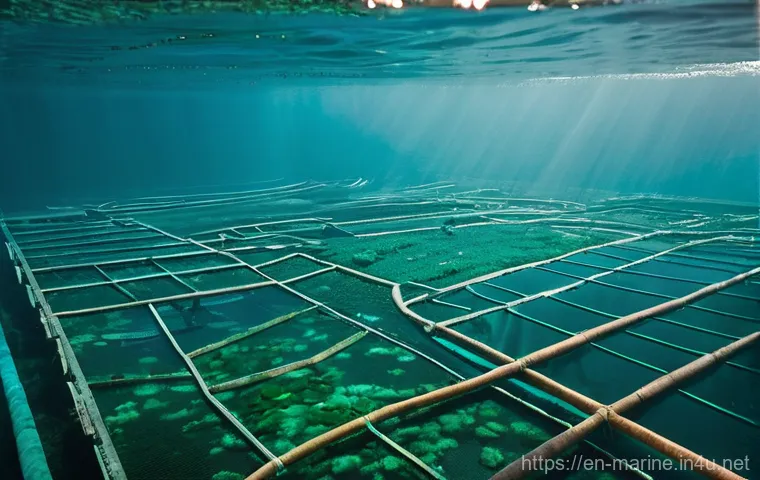
Aquaculture, or fish farming, often gets hailed as the answer to declining wild fish stocks and global food security. On paper, it sounds fantastic – growing seafood in controlled environments!
But having explored the realities, I feel a growing unease about some of the practices. While it has its merits, the expansion of mariculture, especially in open-ocean systems, presents a whole host of operational challenges and environmental risks.
One of the biggest concerns for me is the issue of farmed fish escaping. If you’ve got thousands of farmed salmon, for example, suddenly loose in the wild, they can spread diseases to wild populations, compete for food, and even interbreed, diluting the genetic integrity of native species.
And let’s not overlook the waste! High-density farms generate enormous amounts of fish feed, feces, and chemicals (like antibiotics or pesticides) that get released directly into the surrounding waters, polluting ecosystems and sometimes creating dead zones.
It’s a stark reminder that even solutions designed to help can have profound, unintended impacts if not managed with extreme care.
The Rippling Effects: Socio-Economic Considerations and Coastal Communities
Impact on Traditional Livelihoods
This is where the human element really hits home for me. When we talk about marine resource development, it’s easy to get lost in the grand narratives of energy and minerals, but we absolutely cannot forget the people whose lives are inextricably linked to the ocean.
I’ve often thought about the small coastal communities, the fishing villages passed down through generations. Deep-sea mining, for instance, could damage habitats that are crucial spawning grounds or feeding areas for commercially valuable fish, potentially crippling local fisheries.
Imagine your family’s entire livelihood, stretching back centuries, suddenly threatened by an industrial operation far offshore, an operation you have no control over.
The expansion of large-scale aquaculture can also create conflicts, sometimes taking over areas traditionally used by artisanal fishers or displacing communities.
There’s a real danger that the economic benefits of these large projects might bypass or even actively harm the very people who depend most intimately on the marine environment for their survival and cultural identity.
It makes me question who truly benefits from these “advancements.”
Balancing Growth with Community Well-being
The promise of jobs and economic growth often accompanies proposals for marine resource development, and it’s a powerful argument, especially in areas facing economic hardship.
I get it; who wouldn’t want more opportunities? But I’ve learned that we need to scrutinize *what kind* of jobs, *for whom*, and at *what cost*. Large-scale industrial projects might bring temporary construction jobs, but what happens once those are gone?
Do they leave behind a sustainable economic base, or simply an altered environment and a community struggling to adapt? Offshore wind farms, while creating green energy jobs, can also lead to concerns about visual impacts on coastlines, potentially affecting tourism and property values.
Moreover, the social fabric of communities can be strained by new industries, bringing in external workforces and changing local dynamics. It’s not enough to just count dollars and cents; we have to think about the broader social capital, the health of the community, and whether these developments truly enhance, rather than undermine, long-term well-being.
It’s a complex equation, and I genuinely believe we often don’t account for all the variables.
Navigating Uncharted Waters: Regulatory Gaps and Governance Dilemmas
The Patchwork of Ocean Governance
It feels like the ocean is truly the Wild West in terms of regulation sometimes, especially when you start looking at areas beyond national jurisdiction.
I’ve realized that while there are international frameworks, the sheer complexity and vastness of the marine environment make effective governance incredibly challenging.
Who really has the final say when a deep-sea mining operation impacts international waters, or when sediment plumes drift across multiple economic zones?
Existing regulations often struggle to keep pace with rapid technological advancements, leaving significant gaps. We see overlapping jurisdictions and a lack of coordination between different bodies, which can create a confusing policy environment where accountability can get lost in the bureaucratic shuffle.
It honestly makes me wonder if we’re building the car before we have a solid set of rules of the road.
Enforcement and Accountability Challenges
Even when robust regulations *do* exist, enforcing them across vast ocean expanses is another Herculean task. I’ve heard stories that make me shake my head – illegal fishing, unregulated dumping, and operations that push the boundaries of environmental compliance, often far from watchful eyes.
Monitoring technologies are improving, but they’re not foolproof, and the sheer cost of surveillance and enforcement is immense. Many nations, particularly developing ones, simply don’t have the resources or capacity to effectively police their marine territories, let alone contribute to international oversight.
And what about accountability? When environmental damage occurs, assigning blame and ensuring proper remediation can be an incredibly complex and drawn-out process, especially when multiple actors and jurisdictions are involved.
It often feels like the consequences fall disproportionately on the environment and the most vulnerable communities, while those responsible can sometimes evade true accountability.
Unforeseen Consequences and Long-Term Ecosystem Health
The Climate Feedback Loop
One aspect that truly concerns me, and something I’ve spent a lot of time pondering, is how marine resource development can feed back into the climate crisis.
It’s not just about reducing emissions; it’s about not making things worse. For instance, the deep ocean is our planet’s largest carbon sink, storing vast amounts of carbon in its sediments.
I’ve learned that activities like deep-sea mining could disturb these carbon-rich sediments, potentially releasing stored carbon dioxide and even methane, a potent greenhouse gas, back into the water column and atmosphere.
This isn’t just a minor blip; it could exacerbate global warming at a time when we absolutely need to be doing everything to mitigate it. It feels like a dangerous game of ‘find out’ with our planet’s delicate balance.
We’re experimenting with systems that are still largely unknown, and the stakes couldn’t be higher.
Slow Recovery, Permanent Loss
What truly keeps me up at night about these deep-sea ventures is the agonizingly slow pace of recovery in these environments. Unlike a forest that might regrow in decades, deep-sea ecosystems operate on a geological timescale.
I’ve read reports that suggest some deep-sea habitats, once disturbed by mining, might take centuries, or even millennia, to recover – if they ever fully do.
Imagine that: damage that lasts for countless human generations. The cold, dark, high-pressure conditions mean life processes are incredibly slow. Organisms grow slowly, reproduce infrequently, and recolonization is a glacial process.
This isn’t just habitat damage; it’s potentially permanent biological erasure. This thought, more than any other, has convinced me that a precautionary approach isn’t just good science; it’s an ethical imperative.
We simply don’t know enough to make such irreversible decisions lightly.
| Marine Resource Development Area | Primary Benefit Explored | Key Environmental Risk | Major Operational/Socio-Economic Challenge |
|---|---|---|---|
| Deep-Sea Mining | Access to critical minerals (e.g., rare earths, cobalt) | Irreversible habitat destruction, biodiversity loss, sediment plumes, carbon release | High cost, technological complexity, regulatory gaps, impact on unknown species |
| Offshore Wind Energy | Clean, renewable electricity generation | Underwater noise pollution, temporary habitat disturbance, bird/bat collision risk | High construction/maintenance costs, logistical difficulties, grid connection, visual impact |
| Marine Aquaculture | Increased seafood production, food security | Disease transmission, genetic dilution (escapes), effluent pollution, wild fish feed reliance | Habitat destruction (coastal farms), worker safety, market price depression for wild catch |
Closing Thoughts
Whew, that was quite a journey, wasn’t it? Diving deep into the complexities of marine resource development really opens your eyes. After exploring everything from the silent scars of deep-sea mining to the delicate dance of offshore wind and the intricate web of aquaculture, one thing has become abundantly clear to me: our relationship with the ocean is incredibly multifaceted, and every decision we make has ripples far beyond what we initially imagine. It’s not about saying “no” to progress, but about asking smarter, tougher questions and demanding more responsible, sustainable answers. My personal takeaway is that we truly hold the fate of this incredible, life-giving blue planet in our hands, and with that comes an immense responsibility. It’s a challenge that requires us to blend innovation with deep respect for the natural world, ensuring that our advancements don’t come at an irreversible cost to the very ecosystems that sustain us all. The ocean is not just a resource; it’s a living, breathing entity that needs our thoughtful stewardship more than ever.
Useful Insights for a Sustainable Future
1. Educate Yourself Beyond the Headlines: Don’t just skim the surface when it comes to marine issues. Take the time to dig into credible scientific reports, documentaries, and expert opinions. Understanding the nuances of deep-sea ecosystems, for instance, isn’t something you get from a soundbite. The more informed you are, the better you can advocate for responsible practices and challenge overly simplistic narratives about “green” solutions. I’ve found that a deeper dive often reveals the hidden complexities and helps me form a more balanced perspective.
2. Support Companies Committed to Transparency: When you’re looking at products that rely on marine resources, whether it’s seafood or minerals, seek out brands that are upfront about their sourcing, environmental impact, and labor practices. Third-party certifications can be a good starting point, but don’t be afraid to ask questions directly. Your purchasing power is a vote for the kind of future you want to see, and choosing businesses that prioritize sustainability sends a clear message to the market.
3. Engage with Policy Makers and Local Communities: Environmental issues, especially those concerning vast ocean territories, often feel distant, but your voice matters. Research local and international conservation efforts, and consider reaching out to your elected officials or supporting organizations working directly with coastal communities. These communities often bear the brunt of environmental degradation and can offer invaluable, on-the-ground perspectives that are crucial for effective policy-making. I’ve seen how powerful collective action can be in steering the conversation toward more equitable and sustainable outcomes.
4. Consider Your Personal Consumption Habits: Everything we use, from our smartphones to our dinner plates, has an environmental footprint. Reflect on how your daily choices contribute to the demand for resources that might come from the ocean. Can you reduce, reuse, and recycle more effectively? Can you choose sustainably sourced seafood or explore plant-based alternatives? Every small adjustment in our consumption patterns, multiplied by millions, can create a significant positive impact and reduce the pressure on our vulnerable marine environments.
5. Advocate for Scientific Research and Innovation: Many of the deep-sea environments we discussed are still largely uncharted. We need more funding, more scientists, and more advanced technology to truly understand these ecosystems before we exploit them. Support initiatives that champion marine research, and encourage innovation in areas like sustainable energy storage, closed-loop aquaculture systems, and less invasive mineral extraction methods. Investing in knowledge and smarter solutions is our best bet for navigating these uncharted waters responsibly.
My Key Takeaways
Looking back at all we’ve covered, if there’s one overarching message I’d want you to walk away with, it’s this: every human endeavor, no matter how noble its intent, carries an environmental footprint, and for our oceans, that footprint is often profound and long-lasting. We’ve explored how seemingly disparate industries like deep-sea mining, offshore wind, and marine aquaculture are all interconnected, each presenting a complex tapestry of promise and peril. The critical challenge isn’t to halt progress, but to redefine it, integrating genuine environmental stewardship and social equity into every single step. What truly resonates with me is the urgent need for a precautionary principle – understanding that for vast, unknown ecosystems, sometimes the most responsible action is restraint until we truly grasp the long-term consequences. It’s about recognizing the intrinsic value of our marine world, not just its utility, and fighting for a future where both human prosperity and planetary health can thrive in harmony.
Frequently Asked Questions (FAQ) 📖
Q: uestions
A: bout Marine Resource Development
Q: What are the most significant environmental risks posed by the expansion of marine resource development, especially deep-sea mining and offshore wind farms?
A: Oh, this is such a critical question, and one that truly keeps me up at night after poring over so many studies! When we talk about expanding marine resource development, we’re essentially talking about introducing large-scale industrial activity into some of the most pristine and often least understood environments on Earth.
For deep-sea mining, the environmental risks are, frankly, terrifyingly high. Imagine literally stripping the seabed – that’s often what’s involved in extracting polymetallic nodules or crusts.
This process can lead to severe biodiversity loss and irrevocable habitat destruction because many deep-sea species have evolved over millions of years in incredibly stable conditions, making them exceptionally vulnerable to change.
Many of these creatures are found nowhere else on Earth, and scientists are still discovering new species down there! We risk losing them before we even know they exist.
Beyond the direct destruction, the mining machinery kicks up massive sediment plumes that can travel for hundreds of kilometers, smothering organisms, disrupting feeding patterns, and potentially releasing heavy metals and toxins into the water column.
And let’s not forget the potential disruption to the ocean’s crucial role in carbon sequestration – messing with deep-sea sediments could release stored carbon and methane, exacerbating our climate crisis.
Offshore wind farms, while vital for renewable energy, also come with their own set of ecological challenges. During construction, the noise from pile driving can be incredibly disruptive, even causing irreparable hearing damage to sensitive marine mammals like whales, who rely heavily on sound for communication and navigation.
There’s also the concern about electromagnetic fields emitted by underwater cables, which can interfere with the navigation and behavior of various aquatic species.
And, a recent study I found highlighted that materials used to protect turbines from corrosion, like aluminum and zinc, can leach into the surrounding water, posing risks to ecosystems and potentially contaminating seafood.
It’s a complex balancing act, and it truly makes you realize just how interconnected everything in our ocean is.
Q: Beyond immediate environmental damage, what are some of the less obvious or long-term challenges and unforeseen consequences we might face from extensive marine industrialization?
A: That’s where the real head-scratcher comes in, isn’t it? It’s easy to focus on the immediate impacts, but the long game has some truly unsettling possibilities.
One major hidden danger, especially with deep-sea mining, is the incredibly slow recovery rate of these deep-sea ecosystems. We’re talking centuries, even millennia, for some areas to show signs of recovery, if they recover at all.
A study looking at a test mining site from 1979 found that 44 years later, while some small, mobile animals had recolonized, large, fixed organisms were still very rare.
This means that even if we stop, the scars could be virtually permanent within human timescales. Then there’s the broader “industrialization of the ocean”.
As we push more industries offshore – shipping, oil and gas, aquaculture, and now deep-sea mining – we’re creating a cumulative effect. It’s like paving over vast swathes of wilderness, only underwater.
This leads to increased noise pollution from vessels and operations across larger areas, which can stress marine life and disrupt their behaviors. We might also see altered local ocean currents and hydrodynamics due to massive structures, which could have cascading effects on nutrient distribution and marine food webs that we simply don’t fully understand yet.
What about social and economic consequences for coastal communities? While these industries promise jobs, they can also displace traditional fishing communities, impact livelihoods, and even disrupt cultural ties to the sea.
Imagine a fishing ground that’s been in a family for generations suddenly becoming off-limits due to a wind farm or a mining lease. That’s a real loss, not just economically but culturally.
It’s like we’re trading known, proven benefits from a healthy ocean for speculative gains from destructive practices, and I worry we’re not truly accounting for the full, long-term cost.
Q: How can we balance the urgent need for resources and economic development with the imperative to protect our oceans, ensuring these ventures are truly sustainable?
A: This is the million-dollar question, isn’t it? It’s not about stopping progress, but about redefining what “progress” truly means for our planet and future generations.
From my perspective, having dug into countless reports and discussions, true sustainability demands a fundamental shift in our approach. First, we absolutely need more comprehensive, transparent, and precautionary environmental impact assessments before any large-scale projects get the green light.
We simply don’t have enough scientific knowledge about many deep-sea ecosystems to understand the full scope of potential harm. It’s reckless to proceed without that baseline understanding.
The “precautionary principle” should be our guiding star: if there’s significant risk of irreversible harm, we should err on the side of caution. Secondly, we need to massively invest in alternative solutions and circular economy principles.
For minerals, this means improving recycling rates, finding new terrestrial extraction technologies that minimize impact, and even exploring biomining processes that use bacteria to extract minerals from low-grade ores.
For energy, while offshore wind is promising, we need to innovate to reduce its ecological footprint and look at other renewable sources more holistically.
The concept of the “Blue Economy” needs to genuinely prioritize environmental conservation alongside economic growth, not just as an afterthought. This means fostering sustainable practices in all marine sectors, from responsible fisheries management to ecotourism, that actively contribute to ocean health.
Finally, it comes down to governance and collaboration. We need stronger international agreements and frameworks, like marine protected areas (MPAs) that are effectively managed and enforced, to safeguard critical ecosystems from industrial exploitation.
It also means genuinely involving local communities and indigenous populations, whose traditional knowledge of the ocean often holds invaluable insights for sustainable management.
We can’t let a few powerful actors decide the fate of our shared seas. It’s a collective responsibility, and if we truly want to thrive, we have to put the health of our ocean first.
It’s not just an environmental issue; it’s an economic one, a social one, and frankly, a deeply human one.