What’s up, digital explorers! You know, every now and then, a topic just grabs me and won’t let go, and lately, it’s been the incredible wave of innovation in ocean resource development.
We’re talking about a whole new frontier where brilliant minds are dreaming up ways to sustainably harness the power and bounty of our oceans. It’s not just about energy or food anymore; these startups are tackling everything from deep-sea mining to groundbreaking marine biotech, and even creating new solutions for ocean cleanup.
I’ve personally been following some of these companies, and what they’re achieving is nothing short of revolutionary, pointing us towards a truly exciting ‘blue economy’ future.
The potential impact on our planet and our lives is absolutely immense, and I’m convinced this is where some of the biggest breakthroughs of our time are happening.
We’re on the cusp of unlocking so much, and the ingenuity I’m seeing is genuinely inspiring. Let’s dive in and unravel this fascinating world together, shall we?
I’ll give you the full scoop!
Pioneering Sustainable Ocean Energy
Harnessing Tidal and Wave Power
When I first started looking into ocean energy, I honestly thought it was still largely theoretical, but boy, was I wrong! It’s incredible to see how far we’ve come, with some truly ingenious startups actually making tidal and wave power a reality.
I’ve been following companies like Orbital Marine Power in Scotland, and their O2 tidal turbine is just mind-blowing. It’s the world’s most powerful tidal turbine, generating enough clean energy to power around 1,700 UK homes.
Imagine that! These aren’t just small-scale experiments anymore; we’re talking about significant contributions to national grids. What really gets me excited is the predictability of tidal energy.
Unlike solar or wind, tides are constant, making it a super reliable source for electricity. I’ve read so many reports from engineers who believe this consistency could stabilize grids, a massive win for renewable energy adoption.
And let’s not forget wave energy! It’s notoriously tricky, but innovators are developing resilient and efficient technologies. I recently saw a presentation on devices that float on the surface, converting the kinetic energy of waves into electricity.
It’s like watching a dance between nature and technology, and honestly, it gives me goosebumps thinking about the potential. We’re truly seeing the dawn of an era where our oceans can power our homes without burning fossil fuels, and from my perspective, that’s a future worth investing in, both literally and figuratively.
The resilience required to operate in such harsh marine environments is truly a testament to human ingenuity.
Floating Wind Farms: A Game Changer?
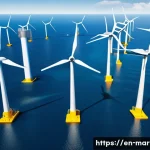
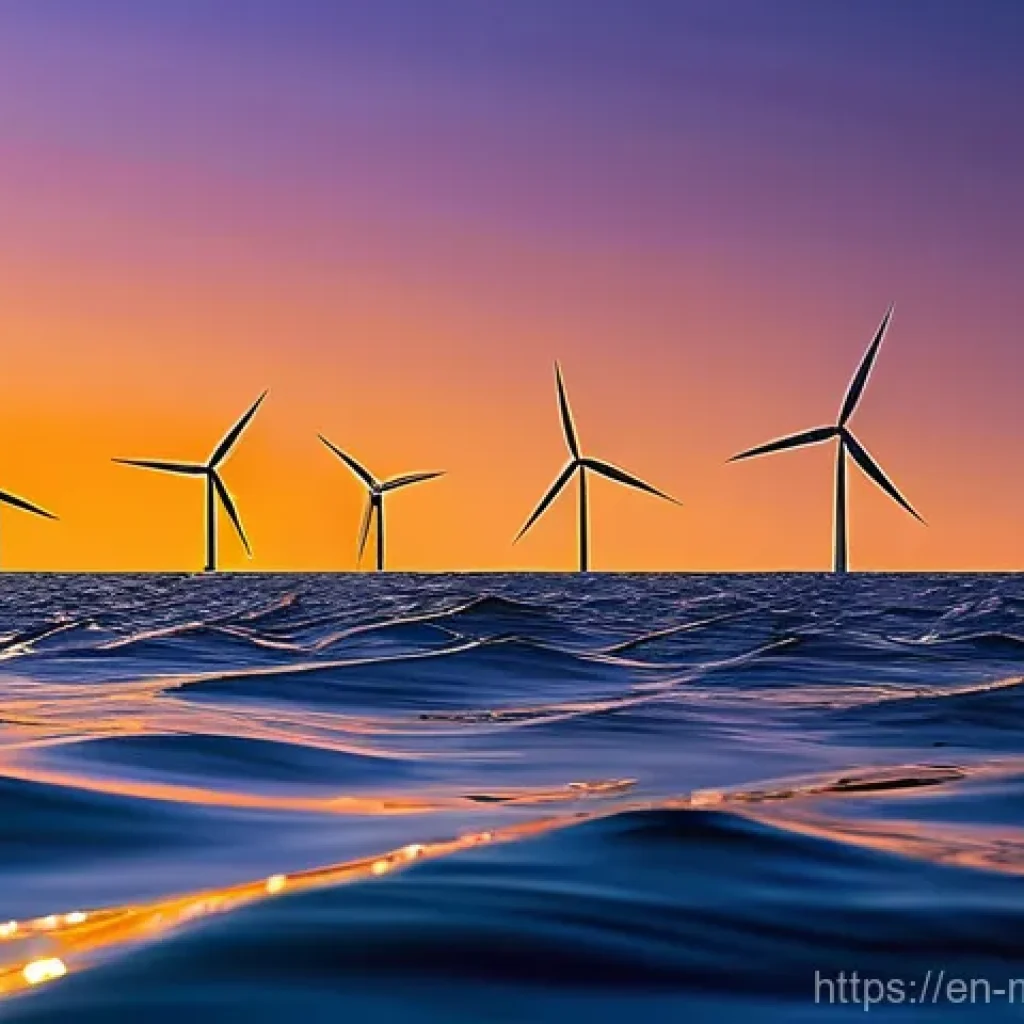
Now, if you’re like me, you’ve probably seen a few wind farms out at sea, but what about *floating* ones? This is where things get really fascinating, and I’ve been completely captivated by the advancements here.
Traditional offshore wind turbines are fixed to the seabed, which limits them to shallower waters. But with floating platforms, we can tap into those much deeper ocean areas where the winds are stronger and more consistent.
I remember talking to an engineer at a renewable energy conference last year, and they were practically buzzing about the potential. They told me that the scale of available ocean space for floating wind is absolutely enormous compared to fixed-bottom sites.
Companies like Principle Power and Equinor are leading the charge, deploying massive structures that can withstand incredibly harsh conditions. I’ve personally been tracking the progress of projects like Hywind Scotland, the world’s first commercial floating wind farm.
It’s truly a marvel of engineering! The impact of this technology could be monumental, opening up vast new swathes of ocean for clean energy generation.
Think about it: entire coastal regions that were previously unsuitable for offshore wind could now host these giants, providing stable, abundant power.
For me, it feels like we’re finally unlocking the full potential of offshore wind, moving beyond the continental shelf and into a truly boundless energy future.
It’s not just about turbines anymore; it’s about a whole new way of thinking about energy infrastructure.
Unlocking the Secrets of Marine Biotechnology
Pharmaceuticals from the Deep
This is where the ocean really starts to feel like a hidden treasure chest to me. The sheer biodiversity in marine environments is mind-boggling, and what’s even more incredible is that we’re only just scratching the surface of its potential for new medicines.
I’ve heard countless stories from researchers who’ve found unique compounds in deep-sea organisms that have powerful antimicrobial, anti-cancer, or anti-inflammatory properties.
It’s like nature’s own pharmaceutical lab, constantly brewing up new solutions. Companies are now diving into this, literally, to explore marine sponges, corals, and microorganisms for novel drug discoveries.
I remember reading about a compound derived from a sea slug that showed promise in treating certain types of cancer. It just blows my mind! My personal take is that this area holds immense promise for breakthroughs that could genuinely change lives.
The unique and extreme conditions of the deep sea force these organisms to evolve incredible biochemical defenses, and these are precisely what scientists are eager to study.
It’s a painstaking process, requiring advanced technology for collection and careful ethical considerations, but the potential rewards are so high. Imagine a future where a cure for a debilitating disease comes from an organism living thousands of feet beneath the waves.
It’s not just science fiction; it’s happening right now, and it’s a field that I believe will only continue to grow in importance as we learn more about the ocean’s hidden pharmacopeia.
Sustainable Bio-materials from the Sea
Beyond medicine, the ocean is also proving to be an untapped reservoir for sustainable materials, and this is an area I find incredibly exciting for our planet’s future.
We’re constantly looking for alternatives to plastics and other petroleum-based products, and guess what? The ocean is offering some amazing solutions.
I’ve been following startups that are creating everything from biodegradable packaging made from algae to durable textiles derived from shellfish waste.
It’s truly circular economy thinking at its best! Think about chitosan, a polymer extracted from the shells of crabs and shrimp. It’s incredibly versatile and biodegradable, making it a fantastic alternative for plastics in various applications, from medical dressings to water purification.
I’ve even seen innovative uses for seaweed, which is being turned into sustainable fertilizers, animal feed, and even biofuels. What truly impresses me is the scalability of some of these solutions.
Algae, for example, can grow incredibly fast and doesn’t require freshwater or arable land, making it an incredibly sustainable resource. My personal experience following these developments has shown me that the ocean isn’t just a source of food; it’s a critical component in building a truly sustainable industrial future.
It’s about leveraging natural processes to create materials that are not only effective but also environmentally friendly, reducing our reliance on finite resources and minimizing our ecological footprint.
The Next Wave in Aquaculture: Smart & Sustainable Farming
Land-Based Fish Farming Innovations
I’ve always been a bit skeptical about traditional aquaculture due to its environmental concerns, but the innovations I’m seeing in land-based fish farming have completely changed my perspective.
It’s like a revolution is happening right under our noses! These controlled-environment systems, often called Recirculating Aquaculture Systems (RAS), are total game-changers.
They significantly reduce water usage, minimize the risk of disease transmission to wild populations, and virtually eliminate discharge of pollutants into natural waterways.
I’ve personally visited a facility where they’re raising Atlantic salmon miles inland, using filtered, recirculated water, and it was absolutely pristine.
The fish were thriving! Companies are investing heavily in this, and for good reason. It offers a way to produce high-quality seafood closer to major consumption centers, cutting down on transportation costs and carbon emissions.
What I love most is the complete control these systems offer over water quality, temperature, and feeding, leading to healthier fish and a more consistent product.
It’s a testament to how technology can solve complex environmental challenges while still meeting growing global food demands. For me, it represents a path forward for sustainable protein production, proving that we can innovate our way to a more responsible food system without compromising on quality or taste.
Algae as the Future Superfood and Fuel
If there’s one organism that consistently blows my mind with its versatility, it’s algae. Seriously, it’s not just that slimy stuff you see on rocks! I’ve been fascinated by the sheer potential of microalgae and macroalgae (seaweed) as both a superfood and a sustainable biofuel.
On the food front, companies are developing algae-based proteins that are incredibly nutrient-dense, packed with vitamins, minerals, and essential amino acids.
It’s a complete protein source that grows rapidly, requires minimal land, and can even be cultivated in saltwater. I’ve even tried a few algae-based snacks, and they were surprisingly delicious and healthy!
From an energy perspective, algae can be converted into biofuels that have a significantly lower carbon footprint than fossil fuels. Imagine powering cars and planes with fuel grown in specialized bioreactors, rather than extracted from the earth.
The energy density of algae-derived biofuels is really impressive, and while scaling it up is still a challenge, the innovation I’m seeing is truly encouraging.
My personal belief is that algae farming will become a cornerstone of both our future food security and our renewable energy mix. It’s just an incredibly efficient biological factory, and we’re only just beginning to unlock its full potential to nourish us and power our world in a sustainable way.
Deep-Sea Exploration: New Frontiers and Ethical Challenges
Mapping the Unseen Depths
The deep sea, for me, has always been the ultimate mystery, a vast, unexplored frontier right here on our planet. It’s truly mind-boggling to think that we’ve mapped more of the moon’s surface with high resolution than we have our own ocean floor.
But that’s changing rapidly, thanks to incredible advancements in deep-sea exploration technology. I’ve been following organizations and startups deploying highly sophisticated Autonomous Underwater Vehicles (AUVs) and Remotely Operated Vehicles (ROVs) that can dive to extreme depths and map vast areas with unprecedented detail.
These aren’t just crude sonar devices; we’re talking about instruments equipped with advanced sensors, cameras, and AI that can identify unique geological formations, hydrothermal vents, and even new species.
I recently saw some footage from a deep-sea expedition, and it felt like watching a sci-fi movie – vibrant ecosystems thriving in complete darkness, organisms unlike anything we see on land.
This mapping is crucial not just for scientific discovery, but also for understanding ocean currents, climate patterns, and even identifying potential new resources.
For me, the thrill of discovery in these extreme environments is unmatched, and I truly believe that the maps we’re creating now will be as significant as the maps of continents were centuries ago.
It’s about understanding the very foundation of our planet.
Balancing Discovery with Conservation
However, as fascinating as deep-sea exploration is, it brings with it significant ethical questions, especially concerning deep-sea mining. This is something I’ve grappled with personally, as the lure of valuable minerals like cobalt, nickel, and manganese on the ocean floor is undeniable for technology.
On one hand, these minerals are vital for electric vehicles and renewable energy storage, helping us transition away from fossil fuels. On the other hand, the deep sea is home to incredibly fragile and slow-growing ecosystems that, once disturbed, might take centuries to recover, if at all.
I’ve read countless reports and scientific papers discussing the potential irreversible damage. Startups are developing new extraction technologies, but the environmental impact remains a huge concern for me and for many others in the conservation community.
The challenge is finding that delicate balance: how do we responsibly explore and potentially utilize these resources without utterly destroying unique marine habitats?
It’s not an easy answer, and I honestly don’t think we have all the solutions yet. This isn’t just about technological prowess; it’s about profound moral responsibility.
We need strict international regulations, comprehensive environmental impact assessments, and a deep commitment to conservation before we rush into large-scale deep-sea mining operations.
The ocean provides so much, and we must ensure we don’t inadvertently destroy its irreplaceable wonders in our pursuit of progress.
Tackling Ocean Pollution with Innovative Tech
Plastic Cleanup: Beyond the Surface
If there’s one issue that truly breaks my heart about our oceans, it’s plastic pollution. It feels overwhelming sometimes, but what gives me hope are the incredible startups pushing the boundaries of cleanup technology.
When most people think of ocean cleanup, they often picture surface skimmers, but the problem goes much deeper, literally. I’ve been fascinated by innovations that are tackling microplastics and submerged plastic waste.
Companies are developing autonomous robots that can detect and collect debris on the seabed, using advanced imaging and suction systems. It’s a huge undertaking, but seeing these devices in action is truly inspiring.
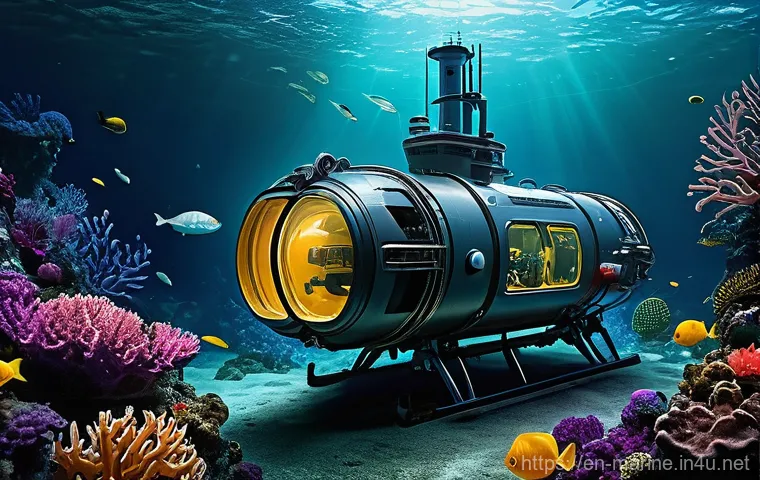
I remember watching a demo video of a submersible that could navigate through complex underwater environments, systematically removing plastic without harming marine life.
That attention to detail is crucial. It’s not just about removing the visible trash; it’s about addressing the insidious microplastics that are ingested by marine organisms and making their way up the food chain.
My personal belief is that while prevention is always better than cure, these innovative cleanup technologies are absolutely vital for addressing the plastic legacy we’ve already created.
It’s a daunting challenge, but with every piece of plastic removed, we’re giving our oceans a fighting chance.
Microplastic Filters and Prevention
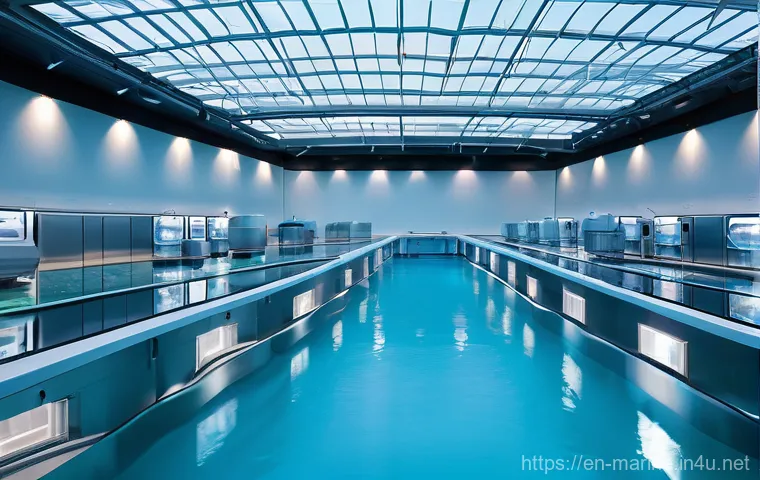
But let’s be real, cleaning up is only half the battle. The real victory lies in preventing plastic from entering the ocean in the first place, and this is where I see some truly brilliant preventative technologies emerging.
I’m talking about things like innovative filters for washing machines that capture microfibers from clothing before they go down the drain. This is a huge source of microplastic pollution that many people aren’t even aware of!
I’ve been actively looking into companies developing these home appliance add-ons, and I think they’re going to become commonplace in the next few years.
Beyond that, startups are designing advanced filtration systems for wastewater treatment plants to better capture microplastics at the source. There’s also a push for more sustainable packaging alternatives, as I mentioned before, but also for technologies that can detect and divert plastic waste in rivers and estuaries before it ever reaches the open ocean.
I even came across a project using AI to identify plastic hotbeds in urban waterways. It’s this multi-pronged approach – from consumer habits to industrial processes – that I believe will make the biggest difference.
From my perspective, it’s about closing the loop and designing out waste from the very beginning.
Investing in the Blue Economy: What’s Catching My Eye
Impact Investing in Ocean Startups
As an “influencer” always on the lookout for what’s next, I’ve noticed a significant shift in the investment landscape: a growing interest in the “Blue Economy.” This isn’t just about making money; it’s about making a positive impact, and that resonates deeply with me.
Impact investing in ocean startups means funding ventures that not only offer financial returns but also contribute to ocean health, sustainability, and economic growth.
I’ve personally been following several venture capital funds and angel investors who are specifically targeting companies in sustainable aquaculture, marine renewable energy, ocean cleanup, and marine biotech.
It’s truly inspiring to see capital being directed towards solving some of our planet’s most pressing environmental challenges. These investors are looking for innovative solutions that can scale, creating both economic value and ecological benefits.
It’s a win-win scenario! I’ve attended webinars where founders pitch their ideas, and the passion they have for both their business and the ocean is palpable.
It’s a testament to the idea that profitability and planetary well-being don’t have to be mutually exclusive. For anyone looking to invest with purpose, the Blue Economy offers a compelling array of opportunities, and I’m genuinely excited to see this sector flourish.
Government Support and Private Ventures
It’s not just private capital making waves; government initiatives and public-private partnerships are also playing a crucial role in accelerating the Blue Economy.
I’ve seen firsthand how grants, subsidies, and incubator programs from various national governments and international organizations are providing essential seed funding and support for promising ocean startups.
This support is vital, especially for early-stage companies often dealing with high R&D costs and long development cycles in a challenging marine environment.
For instance, I recall a conversation with a startup founder who mentioned that early government grants were absolutely critical for them to build their initial prototypes for an innovative wave energy device.
Without that initial boost, they simply wouldn’t have been able to progress. These collaborations between public and private sectors are creating fertile ground for innovation, sharing risks and accelerating the path to commercialization.
It really highlights the understanding that protecting and sustainably utilizing our oceans is a shared responsibility, requiring a collective effort.
From my vantage point, this blend of public support and private enterprise is exactly what’s needed to propel the Blue Economy from a niche concept to a mainstream economic force, ensuring these amazing ideas actually make it out of the lab and into the real world.
Making Waves in Marine Robotics and Autonomous Systems
Unmanned Vessels for Data Collection
One of the areas that truly captivates me when it comes to ocean innovation is the explosion of marine robotics and autonomous systems. Honestly, it feels like something straight out of a futuristic movie!
I’m talking about Unmanned Surface Vessels (USVs) and Autonomous Underwater Vehicles (AUVs) that can spend weeks or even months at sea, collecting invaluable data without needing a human crew.
This changes everything for oceanographers, climate scientists, and even commercial entities. Imagine a fleet of these intelligent robots constantly monitoring ocean health, tracking marine life, mapping the seafloor, or even inspecting offshore infrastructure.
I’ve seen some incredible footage of these USVs navigating challenging waters, equipped with an array of sensors gathering data on everything from water temperature and salinity to plankton concentrations and plastic pollution.
What strikes me most is their endurance and ability to operate in conditions that would be risky or impossible for manned vessels. This greatly reduces the cost and risk associated with ocean research.
From my perspective, these autonomous systems are not just tools; they’re expanding our very capacity to understand and manage our vast oceans, providing us with a continuous stream of information that was once unimaginable.
It’s a new era for ocean observation, driven by incredibly smart tech.
AI in Underwater Exploration and Maintenance
And it’s not just about the vessels themselves; it’s about the intelligence they carry. The integration of Artificial Intelligence (AI) into underwater exploration and maintenance is revolutionizing how we interact with the ocean.
Think about AUVs that can “learn” and adapt their survey patterns based on real-time data, optimizing their mission paths to cover more ground or focus on areas of particular interest.
I’ve personally read about AI algorithms being used to process vast amounts of sonar data, identifying subtle changes in seabed topography that might indicate geological activity or the presence of valuable resources.
Even more exciting is the use of AI for autonomous inspection and maintenance of underwater infrastructure like pipelines, communication cables, and offshore wind turbine foundations.
Instead of sending divers into hazardous conditions, these intelligent robots can meticulously scan for anomalies, detect corrosion, and even perform minor repairs.
I recall a presentation where they showed an AI-powered ROV identifying a hairline crack in a subsea cable with incredible precision. This isn’t just about efficiency; it’s about safety, cost reduction, and extending the lifespan of critical infrastructure.
For me, AI is unlocking a whole new level of capability in the underwater world, transforming what was once manual, risky work into precise, automated operations.
It’s a clear indicator that the future of ocean management is undeniably smart.
From Seawater to Solutions: Desalination and Resource Extraction
Advancements in Desalination Technologies
You know, for a long time, desalination seemed like a futuristic concept, something only for arid regions, but it’s becoming increasingly critical globally.
As freshwater scarcity becomes a more pressing issue, turning to the ocean for drinking water is no longer just an option, it’s a necessity. And the good news?
The technology is advancing rapidly! I’ve been incredibly impressed by startups developing more energy-efficient and cost-effective desalination methods.
Traditional reverse osmosis is very energy-intensive, but new innovations are exploring alternative membrane materials, forward osmosis, and even solar-powered desalination units for remote communities.
I recall seeing a pilot project in California that was using renewable energy to power a small-scale desalination plant, providing fresh water to a coastal town with minimal environmental impact.
What really stands out to me is the focus on sustainability – not just producing fresh water, but doing it in a way that minimizes brine discharge impacts and energy consumption.
It’s about creating truly circular systems. My personal take is that these advancements are absolutely crucial for global water security, especially in regions facing severe drought.
It’s not a perfect solution, but the progress we’re making is giving me a lot of hope that we can sustainably provide this fundamental resource to more people.
Extracting Valuable Minerals and Resources from Seawater
Beyond just freshwater, the ocean is a massive reservoir of valuable minerals dissolved in its vast volume. This is an area that I find incredibly intriguing and potentially game-changing.
We’re talking about elements like lithium, uranium, and rare earth elements, which are vital for modern technology and renewable energy infrastructure.
While the concentrations are low, the sheer volume of seawater means these resources are practically limitless. Startups are now exploring innovative methods to extract these minerals efficiently and economically.
I’ve seen research into specialized membranes and electrochemical processes that can selectively “pull” out specific ions from seawater. Imagine if we could sustainably extract lithium for batteries directly from the ocean, reducing our reliance on environmentally impactful terrestrial mining.
I remember reading an article about a Japanese project focused on uranium extraction from seawater, which could revolutionize nuclear energy fuel sources.
Of course, the challenges are immense – scalability, energy requirements, and environmental considerations for the remaining brine. However, the potential to diversify our supply chains and access truly vast, renewable mineral resources is something that genuinely excites me.
It’s a complex puzzle, but the ingenuity being applied here suggests that the ocean could become a vital source for many of the resources our modern world depends on.
It’s a long game, but one with incredibly high stakes and rewards.
| Innovation Area | Key Technologies/Approaches | Potential Impact |
|---|---|---|
| Sustainable Ocean Energy | Floating wind turbines, tidal stream generators, wave energy converters | Clean, predictable energy for coastal communities; reduced reliance on fossil fuels. |
| Marine Biotechnology | Deep-sea biodiscovery, algae-based bio-materials, marine-derived pharmaceuticals | New medicines, sustainable alternatives to plastics, novel food sources. |
| Sustainable Aquaculture | Recirculating Aquaculture Systems (RAS), offshore cage designs, algae farming | Environmentally friendly protein production, reduced fishing pressure on wild stocks. |
| Ocean Pollution Cleanup | Autonomous cleanup robots, microplastic filters, river interception systems | Removal of plastic waste from oceans, prevention of future pollution. |
| Marine Robotics & AI | Autonomous Underwater Vehicles (AUVs), Unmanned Surface Vessels (USVs), AI for data analysis and maintenance | Enhanced ocean monitoring, safer infrastructure inspection, deeper scientific understanding. |
| Seawater Resource Extraction | Energy-efficient desalination, mineral extraction (lithium, uranium) from seawater | Solutions for global freshwater scarcity, diversified mineral supply chains. |
Concluding Thoughts
Wow, what a journey we’ve had exploring the incredible innovations happening across our oceans! From generating clean energy that powers homes to discovering new medicines that could change lives and tackling the pervasive issue of plastic pollution, it’s truly astounding to see how human ingenuity is turning complex challenges into promising opportunities. I’ve always believed the ocean holds immense power and untapped potential, and seeing these cutting-edge technologies develop makes me feel incredibly optimistic about our collective future. It’s a vast, dynamic, and often unforgiving frontier, but the relentless dedication of scientists, visionary entrepreneurs, and forward-thinking investors is truly inspiring. The ‘blue economy’ isn’t just a trendy buzzword; it’s a vibrant, rapidly growing sector that’s absolutely crucial for our planet’s well-being and, ultimately, our own prosperity. It’s about building a future where humanity thrives in harmony with the marine environment. I honestly can’t wait to see what amazing advancements come next!
Useful Information to Know
1. Diversify Your Learning Sources: If you’re as fascinated by these topics as I am, don’t just stick to one type of content. I’ve found incredible insights not only from academic papers and industry reports but also from compelling documentaries, insightful podcasts, and even engaging YouTube channels hosted by passionate marine biologists and deep-sea explorers. Hearing directly from people on the ground (or more accurately, in the water!) really adds a nuanced layer of understanding you simply won’t get from just reading headlines or static articles. Make an effort to seek out interviews with startup founders in the blue economy space—their passion and firsthand accounts are truly infectious and often shed invaluable light on the practical challenges and remarkable triumphs of bringing these innovations to life. It’s about getting the full picture, from all angles.
2. Consider the Environmental Impact: While these innovations are undeniably exciting and offer immense promise, it’s always wise to maintain a critical and discerning perspective on their potential environmental footprint. For instance, while deep-sea mining offers access to valuable minerals essential for modern technology, we must carefully weigh these benefits against the very real potential for irreversible ecosystem damage to incredibly fragile, slow-growing marine habitats. As informed consumers, engaged citizens, and passionate advocates, staying thoroughly informed about the complete lifecycle impact of any new technology is absolutely key. I always make it a point to dig a bit deeper than the glossy marketing materials and actively search for independent scientific assessments of sustainability and long-term ecological consequences. Your informed choices and voice can genuinely influence how these burgeoning industries evolve and whether they do so responsibly.
3. Support Sustainable Products and Practices: You might feel, at times, like your individual actions are small drops in a vast ocean, but collectively, they converge to make a profoundly significant difference. When you have the option, consciously choose sustainably sourced seafood, opt for products with minimal or no plastic packaging, and actively look into supporting companies that are demonstrably contributing to overall ocean health. I’ve personally made a conscious shift in my purchasing habits over the past few years, aligning myself with brands that are genuinely committed to eco-friendly practices, and it genuinely feels good knowing that I’m playing a small but active part in the larger solution. Even seemingly minor changes, like installing a microplastic filter for your washing machine or refusing single-use plastics, can accumulate to make a substantial positive impact over time. Every responsible choice truly counts.
4. Engage with Ocean Conservation Efforts: One of the most impactful ways to truly understand the ocean’s myriad challenges and contribute meaningfully to its vibrant future is to actively get involved. Whether it’s volunteering your time for a local beach or waterway cleanup, making a thoughtful donation to reputable marine conservation organizations, or simply taking the initiative to educate your friends, family, and wider community about critical ocean issues, every single bit of effort helps significantly. I’ve had some truly eye-opening and deeply rewarding experiences participating in local awareness campaigns and citizen science projects, and these interactions invariably bring a much deeper appreciation for the breathtaking beauty, incredible biodiversity, and inherent fragility of our precious marine ecosystems. These grassroots efforts are vital; they amplify the collective voice for responsible ocean stewardship and push for necessary systemic change.
5. Explore Career Opportunities in the Blue Economy: If you’re someone who is deeply passionate about the ocean and actively looking for a fulfilling career path, then you’ll be thrilled to know that the blue economy is absolutely booming with diverse and exciting opportunities. From cutting-edge marine engineering and groundbreaking biotechnology to critical policy-making and sustainable aquaculture management, there’s a vast and expanding array of fields that are desperately in need of talented, dedicated individuals. I’ve had the pleasure of speaking to countless young professionals who are not only thriving in these emerging sectors but are also finding immense purpose in work that directly contributes to a healthier, more sustainable planet. It’s not exclusively about hardcore science or engineering either; there are equally vital roles in marketing, finance, operations, and community engagement—all crucial for successfully scaling these incredible innovations and bringing them to a global audience.
Key Takeaways
Ultimately, what I’ve taken away from diving deep into these marine innovations is a profound sense of both hope and urgency. Our oceans are not just vast bodies of water; they are dynamic, life-sustaining systems essential for all life on Earth, and they’re currently undergoing a period of incredible transformation fueled by human ingenuity. We’re witnessing a remarkable convergence of advanced technology—think AI, robotics, and cutting-edge biotechnology—all being meticulously deployed to understand, protect, and sustainably harness the ocean’s immense potential. It’s a complex, delicate dance between responsibly utilizing marine resources and rigorously safeguarding incredibly fragile ecosystems, and striking this balance is absolutely paramount. Every new development, from floating wind farms providing crucial clean energy to novel pharmaceuticals sourced from the deep, underscores the undeniable fact that the ‘Blue Economy’ is rapidly becoming a cornerstone of a truly sustainable future. It’s not merely about abstract scientific discovery anymore; it’s about actively building entirely new industries, fostering economic growth, and shaping economies that can work in genuine harmony with the marine environment. The journey is undoubtedly ongoing, and while significant challenges certainly remain, the innovative spirit driving these advancements fills me with immense optimism for a healthier, more prosperous planet. Keep your eyes firmly fixed on the horizon – the ocean is truly the next great frontier for human innovation.
Frequently Asked Questions (FAQ) 📖
Q: So, you mentioned this “blue economy.” What exactly is it, and why does it feel like such a game-changer right now?
A: That’s a fantastic question, and honestly, it’s one that gets me buzzing! From what I’ve seen and personally explored, the “blue economy” is so much more than just extracting things from the ocean.
Think of it as a holistic approach to sustainably using our ocean resources for economic growth, improved livelihoods, and ocean ecosystem health. It’s about innovation that respects the environment.
We’re talking about everything from renewable ocean energy like wave and tidal power, sustainable fisheries, marine tourism, to cutting-edge marine biotechnology and even new ways to clean up our waters.
What makes it a game-changer now is a confluence of technological advancements, a deeper understanding of our oceans’ fragility, and a growing global commitment to sustainability.
It truly feels like we’ve hit a tipping point where brilliant minds are coming together to create solutions that are both economically viable and environmentally responsible.
It’s not just about making money; it’s about making a difference, and that’s incredibly inspiring!
Q: You hinted at some revolutionary breakthroughs beyond just energy and food. What are some of the most exciting new frontiers in ocean resource development that have really caught your eye?
A: Oh, you’ve hit on my favorite part! While ocean energy and sustainable seafood are absolutely vital, the innovations I’m seeing these days go so much further.
Personally, I’ve been fascinated by the incredible strides in marine biotechnology. Imagine discovering new compounds from deep-sea organisms that could lead to groundbreaking medicines or super-efficient enzymes for industrial processes!
It’s like a whole new pharmaceutical and industrial frontier. Then there’s the burgeoning field of deep-sea mining – I know, it sounds a bit intense, but the focus is on developing methods that are far less impactful than traditional land-based mining, seeking out crucial minerals for our tech.
And, of course, ocean cleanup initiatives are seeing mind-blowing advancements, with startups designing autonomous robots and innovative barriers to tackle plastic pollution on a scale we never thought possible.
It’s these out-of-the-box, science-fiction-turned-reality solutions that really make me believe we’re on the cusp of unlocking unprecedented potential from our oceans.
It’s truly mind-blowing to witness.
Q: With all this talk about developing ocean resources, how can we be sure we’re not just, well, messing up the oceans more? What’s being done to ensure these advancements are actually sustainable?
A: That’s a completely valid and incredibly important concern that I share wholeheartedly! It’s actually a core part of what makes the “blue economy” so different from past approaches.
From my perspective, and what I’ve observed from the most promising startups, sustainability isn’t an afterthought; it’s built into the very foundation of these new ventures.
Companies are investing heavily in environmental impact assessments, using AI and advanced sensing technologies to monitor ecosystems in real-time, and developing closed-loop systems to minimize waste.
For instance, in aquaculture, innovations are focusing on land-based systems or integrated multi-trophic aquaculture (IMTA) to reduce environmental impact.
Even in deep-sea resource exploration, the push is for non-extractive methods or technologies that have a minimal ecological footprint. It’s not just about what we can take, but how we can give back and preserve.
There’s a palpable sense of responsibility woven into this new wave of innovation, driven by scientists, engineers, and entrepreneurs who genuinely care about the long-term health of our planet.
It feels like a paradigm shift, and honestly, it gives me a lot of hope!