The ocean’s vast resources are capturing the attention of investors worldwide, promising new frontiers for sustainable growth and innovation. As technology advances, extracting valuable minerals, energy, and bioproducts from the sea becomes increasingly viable and lucrative.

Environmental concerns and regulatory frameworks are shaping how these investments evolve, balancing profit with preservation. With global demand for clean energy and rare materials surging, the marine sector is poised for remarkable expansion.
Understanding the current trends and future potential can help investors make informed decisions. Let’s dive deeper into this exciting opportunity and explore what lies ahead!
Emerging Technologies Unlocking Ocean Wealth
Advanced Deep-Sea Mining Techniques
The past decade has witnessed remarkable progress in deep-sea mining technologies, making it possible to explore and extract minerals from previously unreachable ocean depths.
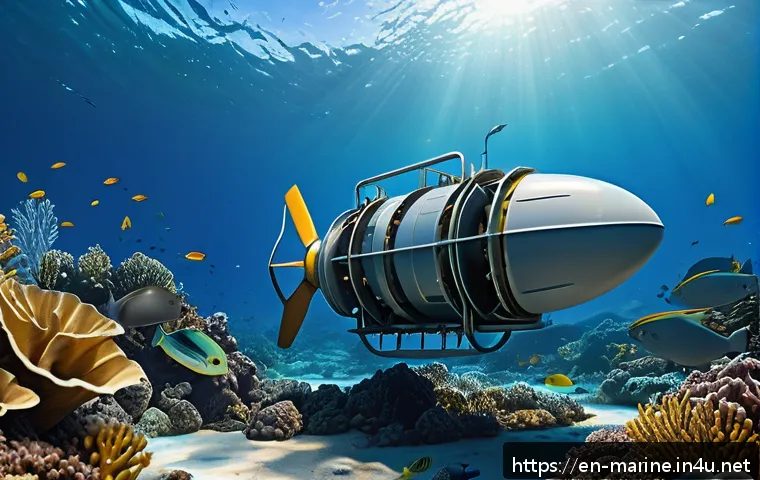
Unlike traditional mining on land, these underwater methods require remotely operated vehicles (ROVs) and autonomous underwater vehicles (AUVs) equipped with high-precision sensors to navigate the rugged seafloor.
From polymetallic nodules to rare earth elements, these resources are vital for modern electronics and renewable energy technologies. The challenge lies not only in the technical complexity but also in minimizing ecological disruption.
Investors who have monitored pilot projects report that the increasing automation and real-time data analytics significantly reduce operational risks and costs, creating a more attractive investment landscape.
Marine Biotechnology Innovations
The ocean’s biodiversity is a treasure trove for biotechnology, offering new compounds for pharmaceuticals, cosmetics, and sustainable biofuels. Recent breakthroughs in marine genomics and bioinformatics enable scientists to identify and synthesize bioactive molecules that could lead to novel therapies or environmentally friendly products.
Several startups have successfully commercialized algae-based biofuels and marine-derived antioxidants, attracting venture capital focused on green technologies.
What excites me most is how these innovations also contribute to carbon sequestration and ecosystem restoration, aligning profit motives with environmental stewardship.
Renewable Energy from Offshore Frontiers
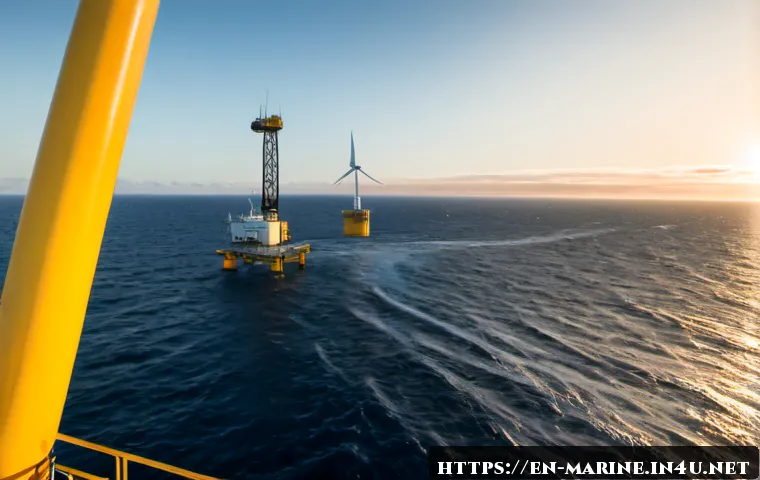
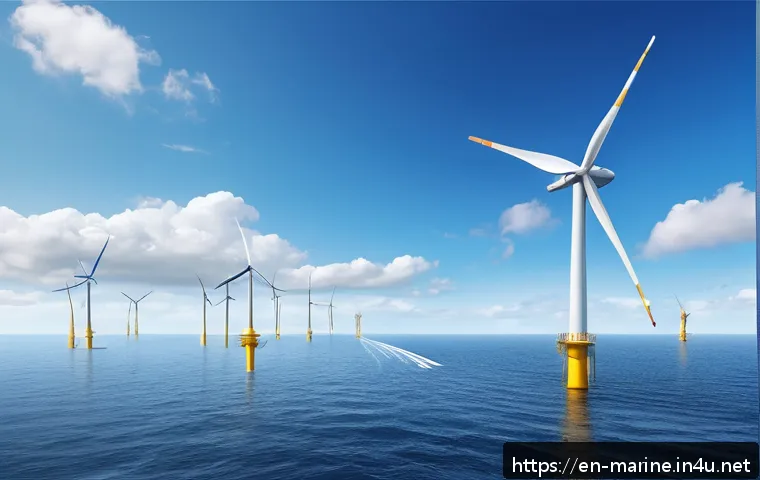
Offshore wind farms and tidal energy systems are no longer futuristic concepts but booming sectors driven by government incentives and technological advances.
Floating wind turbines, in particular, have expanded potential sites beyond shallow coastal waters, tapping into stronger and more consistent wind resources.
Companies that I’ve followed closely highlight how integrated energy storage solutions and smart grid connectivity are enhancing the reliability and profitability of marine renewables.
This sector’s growth is underpinned by global commitments to decarbonization, creating long-term demand stability.
Regulatory Landscape and Environmental Safeguards
International Frameworks Guiding Sustainable Use
Global governance of ocean resources is evolving rapidly, with frameworks like the United Nations Convention on the Law of the Sea (UNCLOS) playing a central role in defining rights and responsibilities.
New agreements on marine biodiversity protection and mining regulations aim to strike a balance between economic development and conservation. Investors must stay attuned to these shifting policies, as compliance can impact project timelines and costs.
In my experience, proactive engagement with regulators and environmental groups not only reduces legal uncertainties but also builds community support, which is invaluable for long-term operations.
Environmental Impact Assessments and Best Practices
Thorough environmental impact assessments (EIAs) have become a prerequisite for project approval in most jurisdictions, ensuring that potential harm to marine ecosystems is minimized.
Cutting-edge monitoring technologies, such as underwater drones and AI-powered data analysis, are increasingly used to track biodiversity and pollution levels in real time.
Companies that integrate these tools early in their project design demonstrate higher environmental performance and often enjoy smoother permitting processes.
From what I’ve seen, investors who prioritize these best practices tend to attract more favorable financing terms and partnerships.
Community Involvement and Social License to Operate
Securing social license is critical in marine resource ventures, especially where indigenous or coastal communities depend on the ocean for their livelihoods.
Transparent communication, benefit-sharing arrangements, and inclusive decision-making foster trust and mitigate conflicts. I’ve observed that projects incorporating local knowledge and participation not only reduce operational disruptions but also enhance brand reputation and investor confidence.
Market Dynamics Driving Investment Potential
Growing Demand for Critical Minerals
The surge in electric vehicles, renewable energy infrastructure, and high-tech electronics has skyrocketed demand for critical minerals such as cobalt, nickel, and lithium.
The ocean floor holds vast deposits of these elements, often in higher concentrations than terrestrial sources. However, supply chain concerns and geopolitical tensions have pushed investors to explore marine alternatives as a strategic diversification.
Based on industry reports and firsthand conversations with mining executives, marine mineral extraction is poised to become a key component in securing supply resilience.
Expanding Clean Energy Markets
Offshore renewables are benefiting from increasing corporate and governmental commitments to net-zero targets. The scalability of offshore wind and marine energy projects, combined with falling technology costs, makes them competitive with traditional energy sources.
I’ve noticed a growing trend of large institutional investors entering this space, attracted by long-term stable cash flows and ESG alignment. This shift is amplifying capital availability and accelerating project development pipelines worldwide.
Bioproducts and Emerging Consumer Trends
Consumers are driving demand for sustainable and natural products, fueling growth in marine-derived bioproducts like algae-based food additives, nutraceuticals, and biodegradable materials.
Startups in this sector are rapidly innovating, with some already reaching commercial scale and attracting significant funding rounds. From my perspective, this niche offers a unique blend of high growth potential and positive environmental impact, appealing to investors seeking both financial returns and social value.
Key Investment Considerations and Risk Management
Technological and Operational Challenges
Investing in ocean resource projects involves navigating complex technical hurdles, including extreme weather conditions, equipment durability, and deep-water logistics.
Investors I’ve spoken with emphasize the importance of partnering with experienced operators and deploying adaptive management strategies. Conducting thorough due diligence on technology readiness and scalability is essential to mitigate risks and avoid costly delays.

Environmental and Social Risk Mitigation
Given the heightened scrutiny on environmental impacts, robust risk mitigation plans are critical. These include continuous monitoring, adaptive management, and stakeholder engagement strategies.
From what I’ve learned, projects that integrate these elements early tend to secure better financing terms and enjoy smoother community relations. This proactive approach also helps avoid reputational damage, which can be financially devastating.
Financial Structuring and Exit Strategies
The capital-intensive nature of marine resource projects requires innovative financing structures, such as green bonds, blended finance, and public-private partnerships.
Investors must also consider realistic exit strategies, whether through IPOs, mergers, or asset sales. Based on market trends, staged investment approaches coupled with milestone-based funding are proving effective in balancing risk and return.
Technological Innovations Accelerating Ocean Exploration
AI and Data Analytics in Ocean Resource Management
Artificial intelligence and big data are revolutionizing how ocean resources are explored and managed. Machine learning algorithms analyze vast amounts of sonar, satellite, and environmental data to identify promising mineral deposits or assess ecosystem health.
Companies leveraging these technologies report faster decision-making and improved operational efficiency. In conversations with tech developers, it’s clear that AI-driven insights reduce uncertainty, a major boon for investors.
Robotics and Autonomous Systems
The deployment of robotic platforms has transformed underwater exploration, enabling longer missions with minimal human intervention. Autonomous underwater vehicles (AUVs) and remotely operated vehicles (ROVs) conduct detailed surveys, sample collection, and infrastructure inspections.
I recall visiting a project site where these robots dramatically cut survey times from months to weeks, demonstrating clear cost and time savings.
Innovations in Sustainable Extraction Methods
Emerging extraction technologies focus on minimizing environmental footprints, such as precision harvesting and low-impact drilling techniques. Some companies are experimenting with bioleaching and other biological methods to extract metals without extensive physical disruption.
These innovations are attracting attention from sustainability-focused investors and environmental NGOs alike, suggesting a promising pathway toward responsible ocean resource development.
Comparative Overview of Marine Resource Sectors
| Sector | Key Resources | Technological Drivers | Environmental Considerations | Investment Outlook |
|---|---|---|---|---|
| Deep-Sea Mining | Polymetallic nodules, rare earths, cobalt | ROVs, AUVs, automation | Seafloor disturbance, biodiversity loss | High risk, high reward, emerging regulations |
| Marine Biotechnology | Bioactive compounds, algae, enzymes | Genomics, synthetic biology | Sustainable harvesting, ecosystem balance | Rapid growth, strong ESG appeal |
| Offshore Renewable Energy | Wind, tidal, wave energy | Floating turbines, energy storage | Habitat impact, noise pollution | Stable returns, policy-driven expansion |
| Marine Bioproducts | Food additives, nutraceuticals, bioplastics | Fermentation, bioengineering | Resource renewability, waste reduction | Innovative niche, consumer demand growth |
Global Hotspots for Ocean Resource Investment
Asia-Pacific Region’s Strategic Importance
The Asia-Pacific is rapidly becoming a focal point for ocean resource development, driven by abundant marine biodiversity and strong governmental support.
Countries like Australia, Japan, and South Korea are investing heavily in offshore energy and deep-sea mining infrastructure. From industry conferences I’ve attended, it’s clear that regional collaboration and technology sharing are accelerating growth, while geopolitical tensions require careful navigation.
North Atlantic and European Initiatives
Europe’s commitment to the European Green Deal has spurred significant investment in offshore wind and marine biotechnology. The North Atlantic region offers favorable regulatory environments and mature supply chains, attracting institutional investors.
I’ve observed that European projects often emphasize sustainability and community engagement, setting global standards for responsible ocean resource use.
Emerging Opportunities in Latin America and Africa
Latin America and Africa present untapped potential with rich marine resources and growing energy needs. Countries like Brazil, Namibia, and South Africa are initiating pilot projects in offshore renewables and mineral exploration.
Despite infrastructure challenges, early movers are positioning themselves for long-term gains. My conversations with regional experts highlight the importance of partnerships and capacity building to unlock these opportunities sustainably.
Conclusion
The ocean holds immense potential as a source of wealth and innovation, driven by rapidly advancing technologies and growing market demand. While challenges remain, particularly in environmental protection and regulatory compliance, the opportunities for sustainable investment are expanding. By embracing cutting-edge methods and fostering collaboration among stakeholders, we can unlock the ocean’s treasures responsibly and profitably.
Useful Information to Keep in Mind
1. Deep-sea mining technologies now use advanced robotics and automation, reducing risks and operational costs significantly.
2. Marine biotechnology offers promising avenues for sustainable products, including biofuels and pharmaceuticals, aligning with environmental goals.
3. Offshore renewable energy, especially floating wind farms, is becoming more viable with integrated storage and smart grid systems.
4. Proactive environmental assessments and community engagement are key to securing permits and social license to operate.
5. Strategic investment regions include Asia-Pacific, Europe, Latin America, and Africa, each with unique opportunities and challenges.
Key Takeaways for Investors
Investing in ocean resources demands a balanced approach that integrates technological innovation with strong environmental and social governance. Understanding regulatory frameworks and engaging local communities early can mitigate risks and enhance project success. Additionally, adopting flexible financial strategies and continuous monitoring ensures resilience against operational challenges and market fluctuations. Ultimately, responsible investment in marine sectors promises both financial returns and positive ecological impact, making it a compelling frontier for forward-thinking investors.
Frequently Asked Questions (FAQ) 📖
Q: What are the main opportunities for investors in the ocean resource sector?
A: Investors can tap into a variety of lucrative opportunities such as deep-sea mining for rare minerals, offshore renewable energy like wind and tidal power, and harvesting marine bioproducts for pharmaceuticals and sustainable materials.
These areas are rapidly advancing thanks to technological breakthroughs, making it easier and more cost-effective to access ocean resources while addressing environmental sustainability.
Personally, I’ve seen how companies focusing on offshore wind farms not only attract strong investor interest but also align well with global clean energy goals, which boosts their long-term potential.
Q: How do environmental regulations impact investments in ocean resources?
A: Environmental regulations play a crucial role in shaping how ocean resource projects proceed. Investors need to navigate complex frameworks that aim to protect marine ecosystems while allowing sustainable development.
Compliance with these rules can initially slow down project timelines and increase costs, but they ultimately help mitigate risks related to environmental damage and public backlash.
From my experience, investors who proactively engage with regulators and adopt green technologies tend to build stronger credibility and enjoy smoother project approvals, which enhances their overall returns.
Q: What challenges should investors be aware of in this emerging market?
A: The ocean resource sector comes with challenges such as technological uncertainties, high upfront capital requirements, and geopolitical risks involving territorial waters.
Additionally, the balance between economic gain and environmental preservation demands careful planning and continuous monitoring. In my observation, successful investors are those who stay informed about evolving technologies, maintain strong partnerships with environmental experts, and remain adaptable to changing regulations.
This hands-on approach helps reduce risks and unlocks the full growth potential of marine investments.