Marine resource development can help meet needs for energy, food, and new materials, but it is only sustainable when environmental limits guide each stage of a project.
Avoiding sensitive habitats, controlling pollution, monitoring real-world effects, and involving affected communities are central to that approach. The ocean supports overlapping uses, from fishing and shipping to renewable energy and conservation.
That makes project decisions more complex than choosing a technically suitable site. Good planning looks beyond one facility and considers how activities interact across shared waters.
This guide explains the main pressures involved and the practical safeguards that can reduce harm.
What Marine Resource Development Includes
Marine resource development covers activities that use ocean space, organisms, or materials for economic and social needs. It may include fisheries, aquaculture, offshore renewable energy, seabed minerals, and marine biotechnology. These activities differ in purpose and technology, yet they all depend on ecosystems that can be disrupted if development is poorly located or managed.
Major ocean-based industries and activities
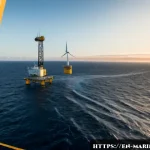
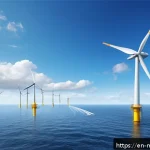
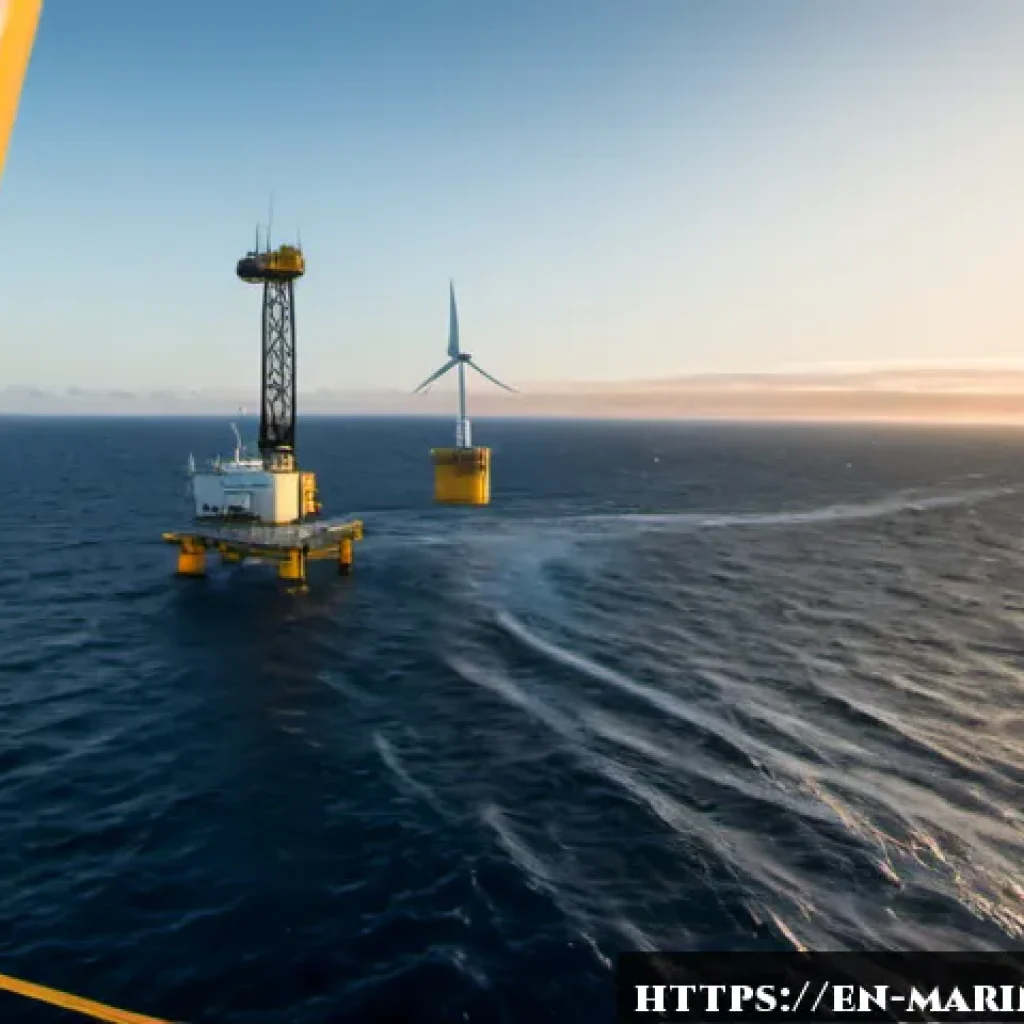
Fisheries rely on healthy marine species and habitats, while aquaculture produces seafood in coastal or offshore waters. Offshore renewable energy uses marine areas to generate power. Seabed mineral activity concerns materials found on or beneath the seafloor, and marine biotechnology explores marine organisms for potential uses. Each activity can create benefits, but its environmental effects depend on the location, scale, technology, operating period, and mitigation plan.
Why demand for ocean resources is increasing
Interest in ocean resources is growing because the sea can support food production, energy generation, scientific research, and material development. However, increased demand should not be treated as a reason to approve projects automatically. A suitable development pathway must account for ecosystem conditions, existing users of the area, and whether impacts can be avoided or meaningfully reduced.
Environmental Pressures on Marine Ecosystems
Ocean ecosystems can be affected by direct construction, routine operations, vessel activity, and changes to the seafloor or water environment. The main concern is not simply whether a project has an impact; it is whether that impact reaches sensitive habitats or species and whether safeguards are adequate in practice.
Habitat loss, noise, pollution, and sediment disturbance
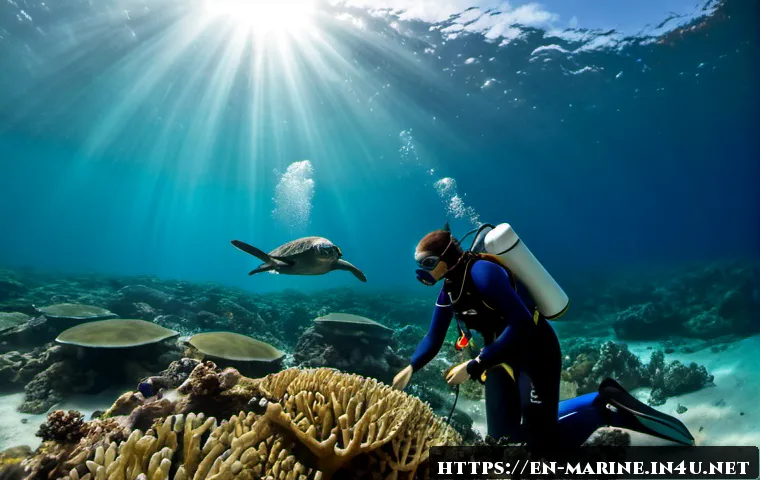
Development can disturb habitats through construction, anchoring, infrastructure placement, or seabed activity. Underwater noise may affect marine species, particularly where sound is important for movement, feeding, or communication. Pollution can enter the marine environment through operations or associated activity, while sediment disturbance can alter seafloor conditions and spread material beyond the immediate work area. Avoidance is generally stronger than trying to repair damage after it occurs, especially where habitat recovery is uncertain.
Cumulative impacts across shared waters
A single project may appear manageable when assessed alone, but shared waters often contain fishing grounds, shipping routes, conservation areas, coastal communities, and other developments. Their combined effects may place added pressure on species and habitats. Sustainability decisions therefore need to consider cumulative impacts rather than focusing only on one proposal in isolation.
| Project stage | Practical sustainability focus |
|---|---|
| Early planning | Identify sensitive habitats, existing ocean uses, and potential conflicts. |
| Assessment and design | Use environmental impact assessment to identify likely effects and shape mitigation. |
| Operations | Monitor impacts, control pollution and disturbance, and adjust management when needed. |
| Closure | Plan for restoration, accountability, and follow-up where impacts may continue. |
Principles for More Sustainable Ocean Projects
More sustainable projects begin before construction. They use environmental information to choose appropriate locations, set clear safeguards, and create a process for responding when monitoring shows unexpected effects. The quality of this process matters as much as the initial project design.
Site selection, impact assessment, and mitigation
Site selection should avoid sensitive habitats where possible and reduce conflict with conservation, fishing, shipping, and community uses. Environmental impact assessment is commonly used to identify likely risks before decisions are made. Mitigation may include changing a project’s design, timing, footprint, or operating practices to reduce disturbance. Whether safeguards will protect a local ecosystem adequately cannot be assumed without baseline studies and independent monitoring.
Monitoring, transparency, and adaptive management
Monitoring should continue during operations rather than ending once approval is granted. It can reveal changes in habitat condition, marine species, noise, pollution, or sediment conditions that were not fully predicted in advance. Adaptive management means using those findings to revise operations or mitigation when needed. Transparent reporting and independent monitoring can also help communities and other ocean users understand what is happening and whether commitments are being met.
Balancing Economic Benefits With Ocean Protection

Economic benefits and ocean protection are not opposing goals by default, but they must be considered together. A project that delivers energy, food, or materials while shifting unaddressed environmental costs onto local ecosystems or communities is not a strong model of sustainability.
Community participation and fair benefit sharing
Coastal communities, fishers, and other affected groups should have meaningful opportunities to participate in planning. They may hold practical knowledge about local conditions and existing uses that is not visible in a technical proposal alone. Participation also helps identify conflicts early and supports clearer discussion of who receives benefits and who bears disruption.
Planning for closure, restoration, and accountability
Responsible planning does not stop at the operating phase. Projects should consider what happens when development activities end, including closure, restoration, and accountability for remaining impacts. The long-term recovery rate of affected habitats can vary and may be uncertain, so restoration should not be used as a simple substitute for avoiding avoidable damage in the first place.
Closing Thoughts
Marine resource development is most credible when it respects the limits of the ecosystems on which it depends. Careful siting, impact assessment, ongoing monitoring, and adaptive management provide a practical foundation for better decisions. Marine spatial planning can help place these decisions in a wider context by reducing conflicts among conservation, energy, shipping, fishing, and communities. The aim is not to treat all development as harmless, but to make risks visible and manageable before they become lasting damage.
Useful Information to Keep in Mind
Marine spatial planning helps coordinate competing uses of ocean space.
Baseline studies are important because they provide a starting point for judging later environmental change.
Independent monitoring can strengthen confidence in reported environmental performance.
Project-specific effects require details about location, technology, scale, duration, and mitigation measures.
Key Points at a Glance
Sustainable marine development requires more than a beneficial purpose. It depends on avoiding sensitive areas where possible, assessing direct and cumulative impacts, reducing pollution and disturbance, monitoring outcomes over time, and maintaining accountability through closure and restoration planning.
Frequently Asked Questions
Q1. What is marine resource development?
A1. Marine resource development is the use of ocean resources or marine space for activities such as fisheries, aquaculture, offshore renewable energy, seabed minerals, and marine biotechnology.
Q2. How can offshore development reduce harm to marine life?
A2. It can reduce harm by avoiding sensitive habitats, assessing likely impacts before work begins, limiting pollution, noise, and sediment disturbance, monitoring conditions during operations, and adjusting management when impacts are identified.
Q3. Why is marine spatial planning important for sustainability?
A3. Marine spatial planning helps manage competing uses of shared waters. It can reduce conflicts among conservation areas, shipping, fishing, energy projects, and coastal communities while supporting decisions that consider cumulative impacts.