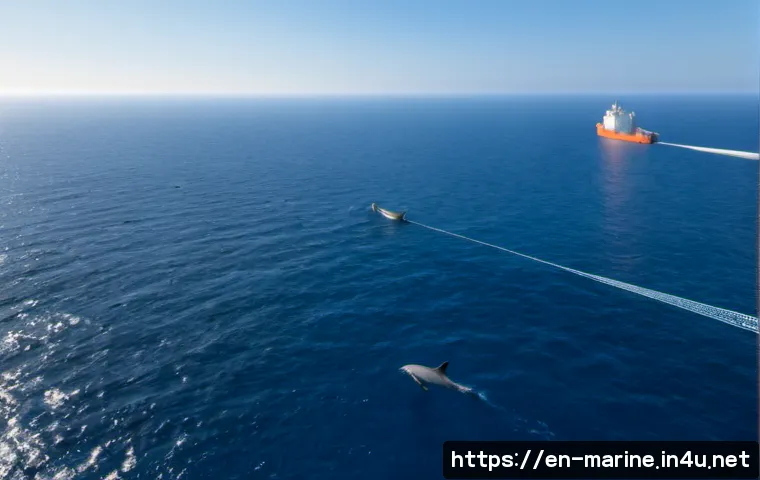
Ocean resources can be developed more responsibly when projects are based on location-specific risk assessment, practical mitigation, and long-term marine monitoring.
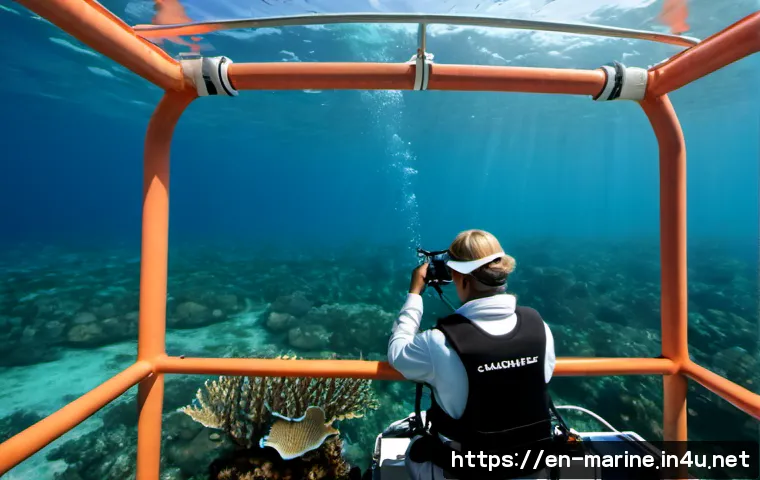
They cannot be assumed harmless simply because they offer energy, food, transport, or economic benefits. The right approach compares ecosystem pressure with the project’s expected value before construction, extraction, or major vessel activity begins.
Environmental impact assessment, baseline surveys, and clear response plans help decision-makers identify issues early. For organizations choosing offshore consulting or monitoring services, the useful question is not “Who has the lowest quote?” but “Who can measure the risks that matter at this site?” A strong plan also considers coastal communities, fisheries, navigation, protected habitats, and the conditions under which work should pause or change.
At a Glance
- Responsible ocean development starts with site-specific evidence, not broad assumptions about low impact.
- Environmental impact assessments, baseline studies, mitigation, and marine monitoring work best as one connected process.
- Projects should avoid sensitive areas where possible, reduce unavoidable pressure, and monitor results throughout their lifecycle.
| Project Type | Likely Environmental Pressure | Key Safeguards | Typical Specialist Services |
|---|---|---|---|
| Fisheries and aquaculture | Water-condition changes, habitat pressure, carrying-capacity concerns | Water-quality sampling, biodiversity surveys, operational controls | Marine environmental assessment, water-quality monitoring, fisheries consulting |
| Offshore wind | Noise, vessel traffic, wildlife interactions, navigation concerns | Seasonal restrictions, exclusion zones, wildlife observation protocols | Underwater acoustics, seabird and marine-mammal surveys, offshore compliance support |
| Seabed mineral exploration | Deep-sea habitat disturbance and substantial environmental uncertainty | Baseline studies, precautionary planning, independent data review | Deep-sea environmental consulting, remotely operated vehicle surveys, biodiversity monitoring |
| Ports, cables, and coastal infrastructure | Habitat disruption, vessel activity, sediment and water-condition changes | Route screening, spill-response planning, restoration commitments | Environmental impact assessment, satellite data analysis, coastal monitoring |
Can Ocean Resources Be Developed Without Damaging Marine Ecosystems?
The short answer: impacts can be reduced, but not assumed away
Ocean resources include fisheries, renewable-energy potential, shipping routes, and seabed minerals. These resources can create important opportunities, but activity at sea can also affect habitats and biodiversity through noise, pollution, vessel traffic, habitat disruption, and changes to water conditions. A responsible project does not treat environmental protection as a final approval-stage task. It builds environmental decisions into site selection, design, construction, operations, and restoration planning.
The central goal is to reduce foreseeable harm before it becomes expensive, difficult, or impossible to reverse. That requires evidence from the specific location rather than a generic statement that a technology is sustainable or that an area is already industrialized.
Why location, timing, and project scale determine risk
The same offshore activity can create very different pressures depending on where and when it occurs. A route, survey area, turbine location, aquaculture site, or cable corridor may interact differently with habitats, fisheries, seabirds, marine mammals, navigation routes, and coastal communities. Scale also matters: a small pilot and a large build-out should not be assessed as if they create identical operational demands.
Marine protected areas are especially important screening considerations because they can limit or manage activities intended to conserve habitats and biodiversity. Protected-area status alone is not the only factor to review, but overlooking it early can create avoidable redesign work and stakeholder conflict.
The three priorities: avoid, minimize, monitor
A practical decision framework follows three steps. First, avoid high-risk locations, sensitive periods, or unnecessary disturbance where alternatives exist. Second, minimize remaining impacts through lower-impact equipment, exclusion zones, seasonal work restrictions, vessel-management procedures, and spill-response planning. Third, monitor the project with methods that match its likely impact pathways.
Monitoring is not merely paperwork. Water-quality sampling, underwater acoustics, satellite data, remotely operated vehicles, and biodiversity surveys can provide information that supports operational decisions. The useful method depends on local conditions and the project scope.
Compare Resource Projects by Environmental Risk and Economic Value
Fisheries and aquaculture: productivity, carrying capacity, and water quality
Fisheries and aquaculture can support food production and coastal livelihoods, but planning should consider carrying capacity, water quality, and local ecosystem conditions. A productive site is not automatically a low-risk site. Monitoring plans may need to track changes in water conditions and biodiversity, while consultation with fishing groups can reveal operational concerns that desk-based reviews may miss.
Decision-makers should compare the expected productivity of a proposal with the ability to monitor and manage its environmental footprint over time. A plan that relies on one early survey without ongoing observation may leave operators with limited information if conditions change.
Offshore wind: clean-energy value, wildlife safeguards, and grid costs
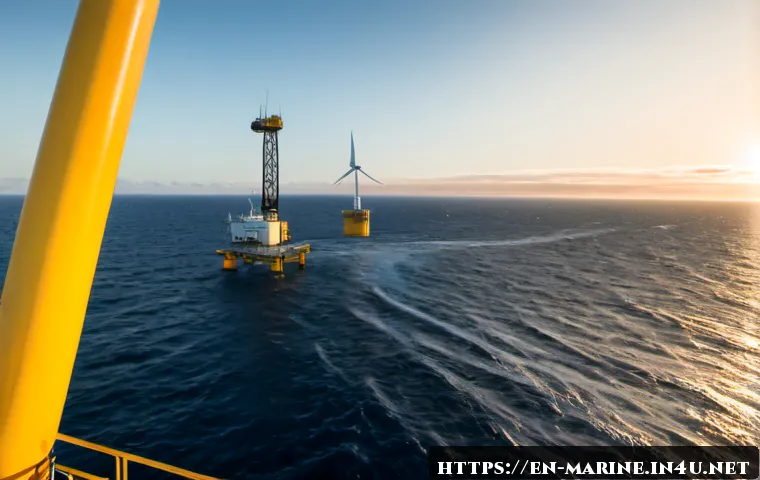
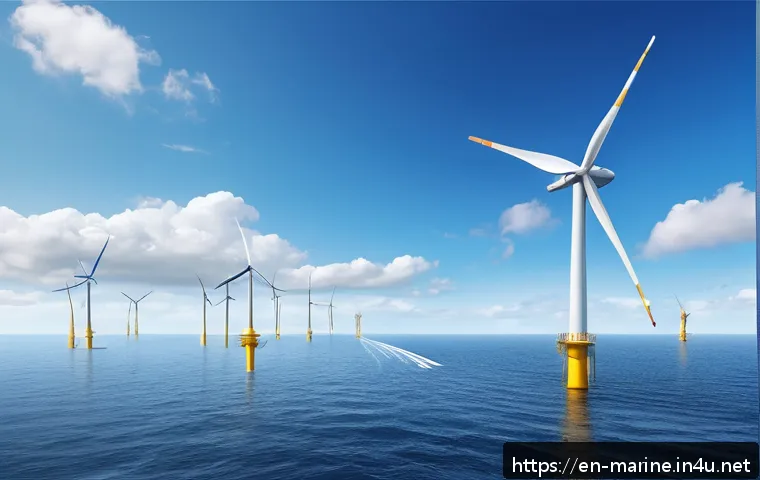
Offshore renewable-energy projects offer renewable-energy potential, yet they still require careful planning. Relevant considerations can include seabirds, marine mammals, fisheries, navigation, and coastal communities. Construction and vessel activity may create noise or traffic concerns, while the project layout can affect how other ocean users move through the area.
Useful safeguards may include wildlife observation protocols, seasonal restrictions, exclusion zones, and lower-impact equipment. Environmental impact assessment should be integrated with engineering and operational planning rather than handled separately after the project design is effectively fixed.
Seabed mineral exploration: uncertainty, deep-sea habitats, and precaution
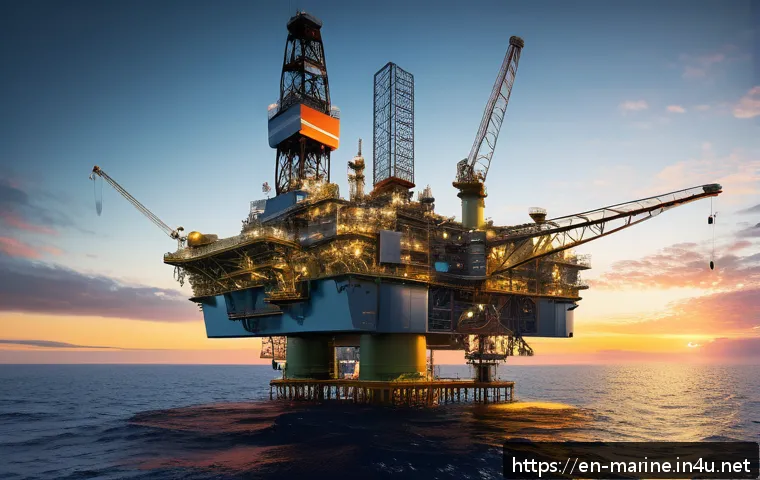
Seabed mineral exploration raises a distinct planning challenge because deep-sea habitats may involve significant uncertainty. Decision-makers should be cautious about broad claims of environmental suitability when site-specific baseline studies and independent review are absent. The economic interest in seabed minerals does not remove the need to understand habitat conditions and likely disturbance pathways.
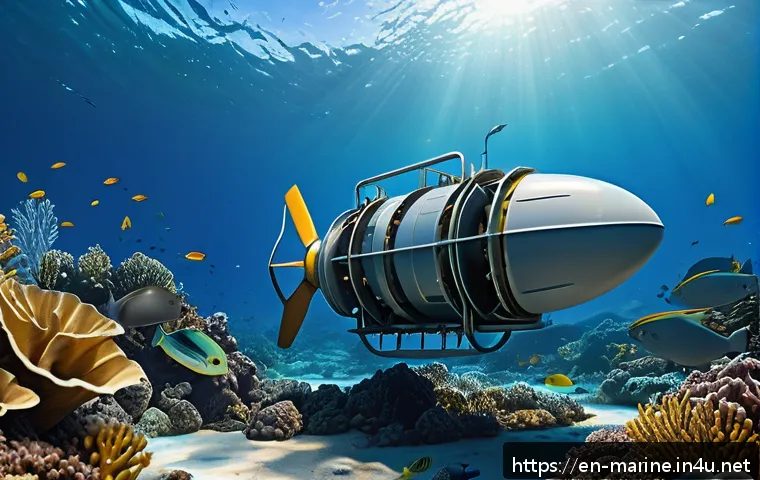
In this setting, precaution, independent data collection, and transparent reporting are especially important. Remotely operated vehicles, biodiversity surveys, and other appropriate observation methods may help establish what exists before any major activity is considered.
Ports, cables, and coastal infrastructure: navigation benefits versus habitat disturbance
Ports, subsea cables, and coastal infrastructure can support transport, communications, and navigation. At the same time, installation and ongoing operations can disturb habitats, increase vessel activity, or affect water conditions. Route selection is often a major environmental decision, not a simple technical detail.
A stronger plan reviews alternatives early, screens for sensitive areas, and includes practical commitments for pollution prevention, emergency response, and restoration. These measures can also help reduce the risk of later remediation costs and permit delays.
Comparison table: impact pathways, mitigation needs, and specialist services
| Decision Question | What to Examine | Why It Matters |
|---|---|---|
| What is already present at the site? | Baseline habitat, water conditions, biodiversity, existing marine use | Without a baseline, project impacts cannot be evaluated reliably. |
| Which activity creates the main pressure? | Noise, vessel movement, pollution risk, seabed disturbance, water-condition changes | Each pressure may require a different mitigation and monitoring method. |
| Can the activity be moved or timed differently? | Alternative locations, routes, work seasons, construction methods | Avoidance is often more effective than trying to repair damage afterward. |
| How will performance be checked? | Sampling plans, acoustic monitoring, satellite data, surveys, reporting procedures | Clear evidence supports accountability and adaptive management. |
What Responsible Project Planning Should Include
Establish a baseline before construction or extraction
A baseline study documents relevant conditions before activity begins. Depending on the proposal, this may include water-quality sampling, underwater acoustic data, satellite observations, remotely operated vehicle work, or biodiversity surveys. The baseline should be designed around the project’s likely impact pathways rather than copied from an unrelated development.
This work supports better choices about location, timing, construction methods, and monitoring priorities. It also makes later findings more meaningful because project teams have a clearer picture of the conditions that existed before operations.
Define measurable environmental thresholds and stop-work triggers
Responsible planning should identify what conditions require additional review, operational changes, or a pause in work. These thresholds and stop-work triggers should be relevant to the project and its setting. For example, a wildlife observation protocol should specify how observations connect to real operational decisions rather than simply collecting records.
The exact thresholds require local evidence, technical scope, and applicable approval requirements. They should not be guessed from a general article or assumed from another region.
Budget for monitoring, mitigation, emergency response, and restoration
Environmental protection has lifecycle requirements. A realistic project plan considers baseline work, monitoring, mitigation measures, emergency preparedness, and restoration commitments. It should also recognize that exact monitoring budgets, insurance requirements, and mitigation expenses depend on the site, activity, service terms, and local requirements.
Choosing only on the lowest initial quote can shift risk into later phases. A narrower proposal may omit reporting, response planning, field capacity, or long-term monitoring that becomes necessary once the project advances.
Consult affected coastal communities, fishing groups, and regulators early
Coastal communities and fishing groups may have practical knowledge about seasonal activity, navigation patterns, and local concerns. Early consultation does not guarantee approval, but it can identify issues before they become costly design conflicts. Regulators may also require information that influences survey scope, mitigation planning, or reporting methods.
Community approval, permit outcomes, and local legal compliance cannot be assumed. They require project-specific engagement and confirmation through the appropriate processes.
Practical Safeguards That Reduce Environmental and Financial Risk
Seasonal restrictions and protected-area screening
Seasonal work restrictions can reduce pressure during sensitive periods, while protected-area screening helps teams identify locations where activities may be limited or managed. These are not interchangeable steps. A project may need both geographic avoidance and timing controls to reduce risk effectively.
Noise reduction, vessel management, and wildlife observation protocols
Noise and vessel traffic are relevant concerns for many offshore activities. Possible safeguards include lower-impact equipment, vessel-management procedures, exclusion zones, and wildlife observation protocols. Their value depends on whether they are tailored to the actual activity, location, and affected species or habitats.
A credible offshore consulting scope should explain the methods proposed, who collects the data, how observations are reported, and how the findings influence operations.
Pollution prevention and spill-response readiness
Pollution prevention should be paired with a practical spill-response plan. The plan should clarify responsibilities, response procedures, and how environmental information will be communicated if an incident occurs. It is better to define these issues before activity begins than to improvise during an operational problem.
Independent data collection and transparent reporting
Independent review and transparent reporting can strengthen confidence in environmental claims. This is particularly useful where baseline conditions are uncertain, stakeholder interest is high, or the potential consequences of poor data are significant. Monitoring providers should be evaluated not only by the tools they use, but also by the clarity, traceability, and relevance of their reporting.
Mistakes that can increase permit delays and remediation costs
Common planning mistakes include treating environmental assessment as a late-stage formality, using a monitoring plan that does not match the project’s main risks, ignoring fishing or navigation concerns until after design decisions are made, and assuming that a previous project’s data applies to a new site. Another mistake is separating mitigation from operations so completely that field observations cannot trigger a practical change.
These gaps can lead to redesign, stakeholder conflict, weak compliance documentation, or more expensive remediation. The safer approach is to connect assessment, mitigation, monitoring, and reporting from the beginning.
Which Approach Fits Different Coastal and Offshore Situations?
When conservation-first zoning is the better option
Conservation-first zoning is often the stronger option when a location contains sensitive habitats, biodiversity concerns, or protected-area restrictions that make avoidance more appropriate than mitigation. It may also be sensible where baseline information is too limited to support confident operational planning. In these cases, the decision is not necessarily “development versus no development” everywhere; it may be a question of selecting a less sensitive location.
When phased development and pilot studies make sense
Phased development or pilot studies can be useful when decision-makers need more site-specific evidence before committing to a larger activity. A phased approach should still include baseline work, monitoring, and clear criteria for reviewing results. A pilot is not a substitute for environmental planning; it is a way to learn under controlled conditions.
When third-party marine environmental consultants add value
Third-party marine environmental consultants can add value when internal teams need specialized support for environmental impact assessment, field surveys, mitigation design, or sustainability compliance documentation. The best fit depends on relevant marine experience, proposed methods, reporting scope, certifications where applicable, and familiarity with the project setting.
Ask providers how their work will connect to decisions about siting, timing, construction, operations, and restoration. A generic report may be less useful than a focused scope that addresses the project’s actual environmental pressures.
When ongoing monitoring technology is more useful than one-time surveys
One-time surveys are important for establishing a baseline, but they may not be enough for projects where conditions can change during construction or operations. Ongoing monitoring technology may be more useful when teams need repeated information about water conditions, underwater acoustics, vessel activity, or biodiversity indicators.
The right choice is not automatically the most complex technology. Compare whether the method answers a defined management question, can be deployed reliably at the site, and produces reporting that stakeholders can understand.
Selection Criteria and Comparison Summary
Before selecting environmental consultants, marine monitoring providers, or sustainability compliance support, compare these practical points:
- Relevant marine experience: Does the provider understand the project type and likely environmental pressure?
- Baseline and monitoring methods: Are the proposed surveys, sampling, acoustic tools, satellite data, or remotely operated vehicle methods suitable for the site?
- Reporting scope: Does the proposal explain data handling, reporting frequency, independent review options, and decision-useful outputs?
- Mitigation and response planning: Are seasonal restrictions, exclusion zones, spill-response readiness, and restoration commitments included where relevant?
- Lifecycle value: Does the scope consider planning, operations, monitoring, and restoration rather than only the first survey?
- Local confirmation: Have permit needs, protected-area considerations, community concerns, and service terms been checked for the specific location?
Compare environmental consultants, marine monitoring providers, and compliance scopes side by side before choosing; the official service page or proposal should clearly show what fieldwork, reporting, response planning, and follow-up support are included.
Final Thoughts
Ocean-resource development and environmental protection should be treated as connected decisions. Projects are more credible when they demonstrate avoidance where possible, practical mitigation where needed, and monitoring that continues beyond an initial assessment. The most useful framework is simple: understand the site, identify the pressure, plan for change, and make results visible. Economic value matters, but it should not replace accountability for marine ecosystems.
Useful Information to Keep in Mind
Environmental impact assessment helps identify potential impacts before approval or construction. Marine protected areas may limit or manage activities to conserve habitats and biodiversity. Monitoring can combine water-quality sampling, underwater acoustics, satellite data, remotely operated vehicles, and biodiversity surveys. The appropriate mix depends on the project and the local marine environment.
Important Considerations
This framework cannot determine the impact, permit status, legal compliance, community acceptance, cost, insurance need, or contractor suitability of any specific project. Those questions require location-specific baseline studies, independent review where appropriate, direct confirmation of applicable requirements, and a comparison of provider qualifications and service terms.
Frequently Asked Questions
Q1. Is ocean resource development always harmful to the environment?
A1. Ocean development can create environmental pressure through noise, habitat disruption, pollution, vessel traffic, and changes to water conditions. Impacts may be reduced through careful location selection, mitigation measures, and long-term monitoring, but they should not be assumed away. The likely effect of a specific project requires site-specific baseline studies and appropriate review.
Q2. What should a company budget for when planning environmental protection for an offshore project?
A2. Planning should consider baseline studies, environmental monitoring, mitigation measures, emergency and spill-response readiness, reporting, and restoration commitments. Exact costs, insurance requirements, monitoring budgets, and mitigation expenses depend on the project location, scope, service terms, and applicable requirements.
Q3. How can organizations choose a marine environmental consultant or monitoring provider safely?
A3. Compare providers by relevant marine experience, proposed methods, reporting scope, certifications where applicable, and the services included in the proposal. Confirm whether the scope covers baseline work, monitoring, mitigation support, permit-related documentation, and response planning. A provider should be assessed against local conditions and project needs, not selected on price alone.