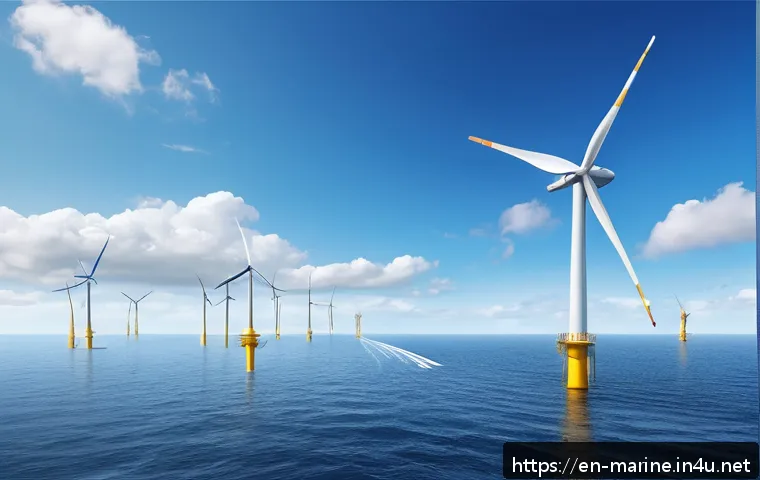
As the world races to meet ambitious climate goals, offshore wind power is emerging as a game-changer in clean energy. Recent breakthroughs in technology are not only boosting efficiency but also making large-scale projects more feasible and cost-effective than ever.
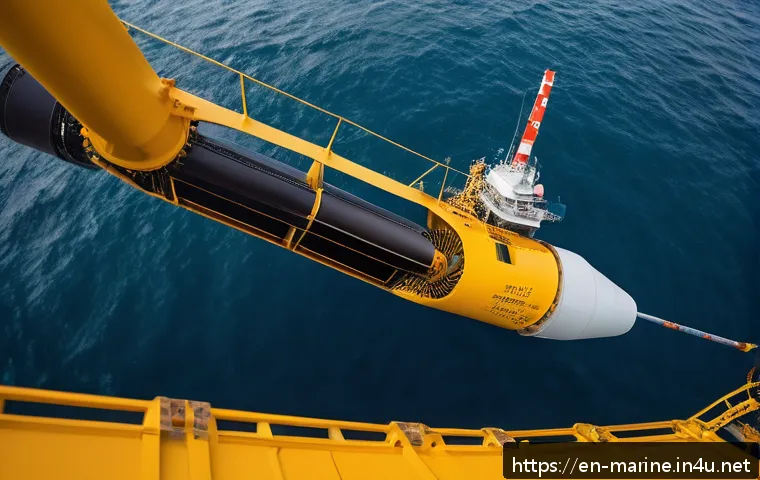
From floating turbines to advanced grid integration, these innovations are transforming how we harness the ocean’s power. If you’ve been curious about what’s next in renewable energy, this deep dive into cutting-edge offshore wind tech will reveal the exciting future that’s already unfolding.
Stick around to explore how these advancements could reshape our energy landscape for decades to come.
Revolutionizing Turbine Design for Offshore Conditions
Floating Turbines Unlocking Deeper Waters
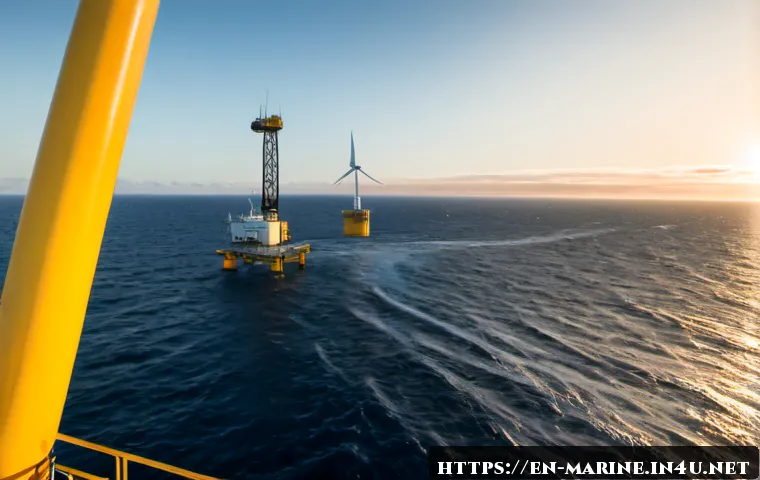
The advent of floating turbine technology has been a true game-changer in offshore wind energy. Unlike traditional fixed-bottom turbines, these floating structures can be anchored in much deeper waters where wind speeds are often stronger and more consistent.
What I find fascinating is how these turbines, tethered by mooring lines, sway gently with the waves yet maintain optimal positioning to capture maximum wind energy.
This flexibility not only expands viable installation sites but also reduces the environmental impact on seabed habitats. Developers have reported that floating turbines enable access to areas previously considered off-limits, which could dramatically increase the global offshore wind resource.
Blade Innovations for Enhanced Efficiency
Blade design has seen remarkable innovation recently, focusing on length, material, and aerodynamics. Longer blades capture more wind but need to remain lightweight and durable to withstand harsh ocean conditions.
New composite materials infused with carbon fiber offer incredible strength-to-weight ratios, allowing blades to stretch beyond 100 meters in length without compromising structural integrity.
From my perspective, the subtle tweaks in blade curvature and edge serrations have also reduced turbulence and noise, which is a win-win for performance and marine life coexistence.
These advancements collectively push turbine efficiency to new heights, squeezing more power from every gust.
Smart Sensors and Real-Time Monitoring
What’s really pushing offshore wind into the future is the integration of smart sensor networks embedded within turbine components. These sensors continuously monitor everything from blade stress and vibration to temperature and humidity levels.
The data streams into AI-driven control systems that can make split-second adjustments to turbine orientation and blade pitch. I’ve read that this predictive maintenance approach significantly reduces downtime and repair costs, ultimately improving the reliability and lifespan of installations.
Operators can now detect issues before they escalate, which is a massive leap forward in operational efficiency.
Advanced Grid Integration and Energy Storage Solutions
High-Voltage Direct Current (HVDC) Transmission
One of the major hurdles for offshore wind has always been how to efficiently transmit electricity over long distances back to shore. HVDC technology has emerged as the preferred method, cutting transmission losses dramatically compared to traditional alternating current (AC) systems.
What struck me is how modular HVDC substations are now being deployed offshore, allowing for scalable connections from multiple wind farms to centralized grids.
This flexibility facilitates the creation of vast offshore energy hubs that can serve multiple regions simultaneously. The upshot is a more resilient and interconnected energy infrastructure capable of handling the variability of renewable sources.
Hybrid Systems Combining Wind and Storage
Pairing offshore wind farms with battery storage or other energy storage technologies is becoming increasingly common. This hybrid approach smooths out the intermittency of wind power by storing excess energy generated during high wind periods and releasing it when winds subside.
From what I’ve observed, developers are experimenting with large-scale lithium-ion batteries, as well as emerging solutions like flow batteries and even hydrogen production via electrolysis.
These storage systems not only stabilize supply but also open doors for offshore wind to participate in grid balancing and ancillary services, boosting its value proposition.
Grid-Forming Inverters for Stability
Grid-forming inverters represent a breakthrough in how renewable energy plants interact with the grid. Unlike traditional inverters that require an existing stable grid, grid-forming inverters can create a stable voltage and frequency reference themselves.
This capability is crucial as offshore wind penetration increases, reducing reliance on fossil fuel plants for grid stability. What excites me is how this technology enables large-scale wind farms to operate as virtual power plants, providing essential grid services such as frequency regulation and voltage support.
This innovation enhances the overall robustness and reliability of renewable-heavy power systems.
Environmental and Social Considerations Driving Innovation
Minimizing Marine Ecosystem Disruption
As offshore wind expands, so does the responsibility to protect marine environments. Innovative turbine foundation designs, such as suction buckets and gravity-based structures, minimize seabed disturbance compared to traditional monopiles.
Additionally, noise mitigation technologies during construction—like bubble curtains—are increasingly employed to reduce harm to marine mammals. In my discussions with environmental experts, it’s clear that balancing ecological preservation with energy development is critical.
Developers now incorporate comprehensive environmental monitoring programs to adaptively manage impacts throughout a project’s life cycle.
Community Engagement and Stakeholder Collaboration
Offshore wind projects often face complex social dynamics, from fishermen’s concerns to coastal community impacts. Successful projects prioritize transparent communication and early stakeholder involvement.
What I’ve witnessed firsthand is that collaborative planning processes, including compensation schemes and shared economic benefits, help build local support.
Some projects even explore co-use of offshore space, integrating aquaculture or tourism activities alongside wind farms. This holistic approach not only improves social license but also fosters innovative multi-use ocean management strategies.
Decommissioning and Circular Economy Approaches
Planning for the end of a turbine’s life is gaining traction as a crucial component of sustainable offshore wind development. Decommissioning strategies now emphasize recycling turbine materials, especially the blades, which historically have been challenging to repurpose.
Advances in blade recycling include converting composites into cement additives or using them in construction materials. From my perspective, embedding circular economy principles into the entire supply chain—from manufacturing to disposal—will be essential to minimizing waste and environmental footprint as offshore wind scales globally.
Next-Generation Installation and Maintenance Techniques
Autonomous Vessels and Robotics
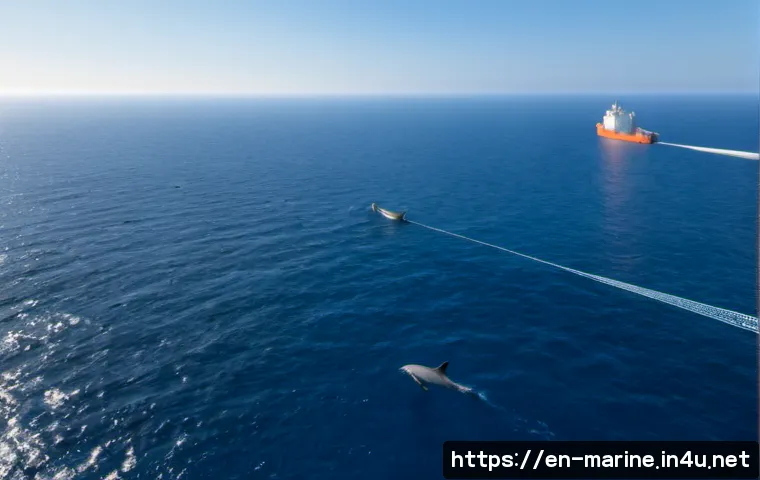
Installing and maintaining offshore turbines has traditionally been costly and weather-dependent, but autonomous vessels and underwater robots are changing the game.
These unmanned systems can perform inspections, repairs, and even component replacements without the need for large crews or expensive jack-up vessels.
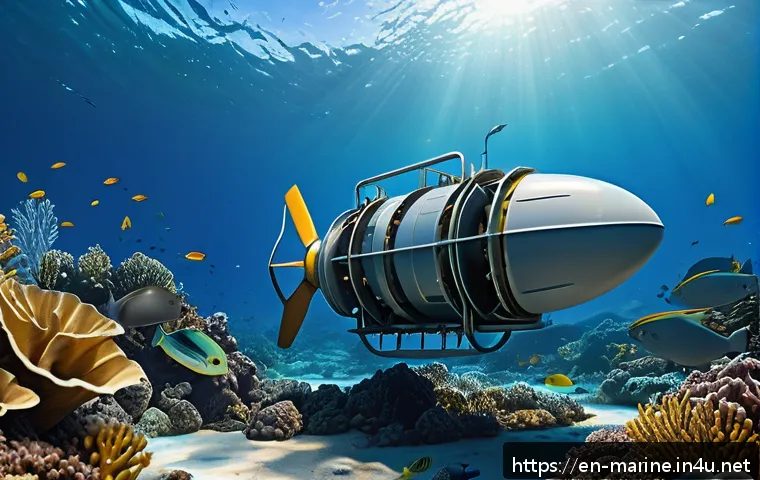
I find it remarkable how underwater drones equipped with high-resolution cameras and ultrasonic sensors can detect blade defects or corrosion early. This technology reduces human risk and downtime, driving down operational expenses and increasing safety.
Modular Construction and Pre-Assembly
To speed up deployment and cut costs, many offshore wind projects now rely heavily on modular construction techniques. Components are pre-assembled onshore or at specialized ports, then transported to the site for rapid installation.
This approach minimizes the time turbines spend at sea, reducing weather delays and improving worker safety. When I visited a fabrication yard recently, the scale and precision of these modules were impressive—they look like giant puzzle pieces engineered to snap together seamlessly offshore.
Modularization also allows for easier scalability and upgrades as technology evolves.
Predictive Analytics for Maintenance Scheduling
The integration of big data analytics into maintenance planning is revolutionizing offshore wind farm operations. By analyzing historical performance data alongside real-time sensor inputs, operators can predict when parts will fail or require servicing.
This proactive scheduling avoids costly unplanned outages and optimizes resource allocation. I’ve noticed that companies leveraging machine learning models report significant reductions in maintenance costs and improved turbine availability.
This data-driven approach is setting a new standard for asset management in the renewable sector.
Emerging Materials Enhancing Durability and Performance
Corrosion-Resistant Coatings and Alloys
One of the toughest challenges for offshore wind turbines is the corrosive marine environment. Recent breakthroughs in coating technologies, including nanostructured and self-healing paints, dramatically extend the lifespan of turbine components exposed to saltwater.
Similarly, new alloy formulations for critical parts like bolts and shafts resist fatigue and corrosion better than ever before. I’ve spoken with engineers who emphasize how these materials reduce maintenance frequency and improve overall reliability, which ultimately lowers the cost of energy.
Lightweight Composite Innovations
Composite materials continue to evolve, offering higher strength with reduced weight. Innovations in resin systems and fiber orientations have produced blades and turbine parts that are not only lighter but also more damage-tolerant.
This means turbines can handle extreme weather events without catastrophic failure. From my experience visiting manufacturing plants, the quality control processes for these composites have become incredibly sophisticated, ensuring consistent performance and safety.
Lighter components also ease transportation and installation logistics.
Smart Materials with Adaptive Properties
The future could see turbines made from smart materials that adapt dynamically to environmental conditions. Imagine blades that can change their shape in response to wind speed or temperature to optimize performance in real time.
While still in experimental stages, these materials incorporate embedded sensors and actuators that allow structural adjustments on the fly. I’m excited by the potential of such adaptive systems to push efficiency beyond static designs, making offshore wind farms even more resilient and productive.
Global Trends and Policy Support Accelerating Growth
Ambitious National Offshore Wind Targets
Governments worldwide are setting bold offshore wind capacity goals to meet climate commitments. Countries like the United States, the United Kingdom, and Germany have ramped up their targets into the tens of gigawatts over the next decade.
These clear policy signals drive investment confidence and innovation. From what I’ve gathered, streamlined permitting processes and financial incentives are also key enablers, helping projects move from planning to construction faster than ever before.
This momentum is catalyzing a robust offshore wind industry with global reach.
International Collaboration and Knowledge Sharing
Cross-border partnerships are becoming more common as countries share lessons learned and best practices. International consortia focus on standardizing technology, grid integration protocols, and environmental safeguards.
I find it encouraging how these collaborations accelerate technology transfer and reduce duplication of effort. Joint research initiatives and pilot projects foster innovation while distributing risk.
This spirit of cooperation boosts the entire sector’s ability to scale rapidly and sustainably.
Economic Opportunities and Job Creation
The offshore wind boom is creating a wide range of economic benefits, from manufacturing and construction jobs to operations and maintenance roles. Regions investing heavily in offshore wind often see revitalization of port infrastructure and growth in specialized supply chains.
I’ve spoken with workers who transitioned from traditional industries like oil and gas into offshore wind careers, citing attractive wages and future prospects.
This transition not only supports clean energy goals but also offers meaningful employment opportunities in coastal communities.
| Technology | Key Benefits | Current Challenges | Future Potential |
|---|---|---|---|
| Floating Turbines | Access to deep-water sites, stronger winds | Higher installation complexity, mooring durability | Scalable offshore hubs with minimal seabed impact |
| HVDC Transmission | Reduced transmission losses, grid flexibility | High upfront costs, complex offshore substations | Multi-farm interconnections, regional energy sharing |
| Smart Sensors & AI | Predictive maintenance, optimized performance | Data integration, cybersecurity risks | Fully autonomous operations, cost reductions |
| Advanced Materials | Enhanced durability, lightweight design | Material costs, manufacturing scalability | Adaptive smart materials, longer service life |
| Energy Storage | Smooth power output, grid stability | Battery lifespan, cost of emerging tech | Hydrogen integration, hybrid renewable systems |
Conclusion
Offshore wind technology is rapidly evolving, unlocking vast new opportunities for clean energy generation. Innovations in turbine design, grid integration, and environmental stewardship are shaping a more resilient and efficient future. As these advancements continue, offshore wind will play an increasingly pivotal role in meeting global renewable energy goals and supporting sustainable economic growth.
Useful Information to Remember
1. Floating turbines enable access to deeper waters with stronger, more consistent winds, expanding potential offshore wind sites.
2. Advances in blade materials and aerodynamics boost turbine efficiency while reducing noise and environmental impact.
3. Smart sensors combined with AI allow real-time monitoring and predictive maintenance, increasing reliability and lowering costs.
4. High-voltage DC transmission and hybrid energy storage solutions improve grid stability and enable large-scale offshore energy hubs.
5. Collaborative community engagement and innovative decommissioning practices ensure environmental protection and social acceptance.
Key Takeaways
Cutting-edge offshore wind technologies are overcoming traditional limitations by enhancing durability, efficiency, and operational intelligence. Integrating advanced materials and smart systems reduces maintenance demands and environmental footprints, while policy support and international cooperation accelerate industry growth. Together, these factors position offshore wind as a cornerstone of the global clean energy transition.
Frequently Asked Questions (FAQ) 📖
Q: How do floating offshore wind turbines differ from traditional fixed-bottom turbines, and why are they important?
A: Floating offshore wind turbines are mounted on platforms that float on the water’s surface, anchored to the seabed with mooring lines, unlike traditional fixed-bottom turbines that require shallow waters for installation.
This technology is a game-changer because it opens up vast deep-water areas, previously inaccessible for wind farms, allowing us to tap into stronger and more consistent winds far from shore.
From my experience researching various projects, floating turbines also tend to have less visual impact on coastal communities, which can ease local opposition and speed up development.
Q: What role does advanced grid integration play in the future of offshore wind energy?
A: Advanced grid integration is essential for efficiently delivering electricity generated by offshore wind farms to the onshore grid and managing the variability of wind power.
Innovations such as smart grid technologies, energy storage systems, and improved transmission lines help balance supply and demand, reducing energy loss and preventing blackouts.
Based on recent industry developments I’ve followed, these upgrades not only enhance reliability but also lower operational costs, making offshore wind a more competitive energy source.
Q: Are large-scale offshore wind projects becoming more cost-effective, and what factors contribute to this trend?
A: Yes, large-scale offshore wind projects are becoming increasingly cost-effective thanks to several factors. Advances in turbine design have led to bigger, more efficient blades that capture more wind energy.
Improved installation methods, like using specialized vessels and modular components, reduce construction time and expenses. Additionally, economies of scale from building larger wind farms help drive down per-unit costs.
From what I’ve observed, government incentives and better supply chain management also play a significant role in making offshore wind financially attractive for investors.