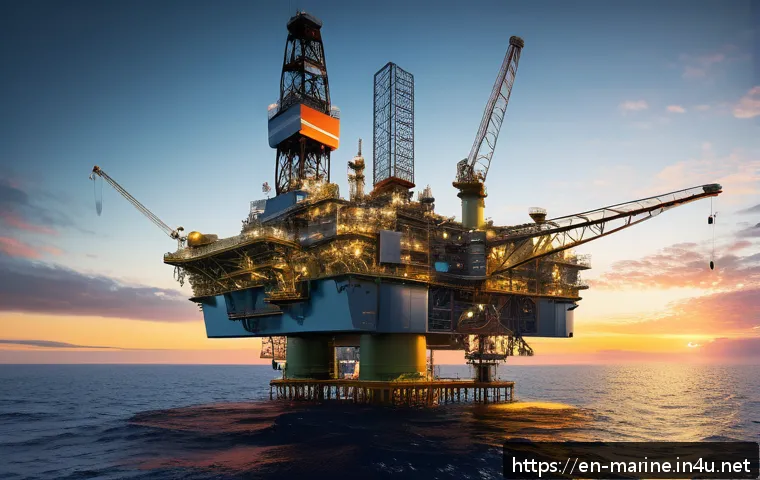
As the world increasingly turns to the ocean for vital resources, ensuring safety in development has never been more critical. Recent advancements in technology are reshaping how we explore and harness marine assets, offering promising solutions to age-old challenges.
From minimizing environmental impacts to enhancing operational security, innovative strategies are paving the way for responsible ocean resource management.
In this post, we’ll dive into the cutting-edge tools and approaches that are setting new standards for safety in ocean development. Whether you’re an industry insider or simply curious about the future of marine innovation, this exploration promises insights that matter.
Stay with me as we uncover how these emerging technologies are transforming the way we protect our oceans while unlocking their potential.
Advanced Monitoring Systems Enhancing Marine Safety
Real-Time Data Collection through IoT Sensors
The integration of Internet of Things (IoT) sensors in ocean development projects has revolutionized how we monitor environmental and operational conditions.
These sensors, deployed on underwater structures and vessels, continuously gather data such as water quality, pressure, temperature, and structural integrity.
What I found particularly impressive is their ability to transmit real-time alerts if any parameter deviates from safety thresholds, allowing immediate corrective action.
In practice, this means fewer accidents and less environmental harm because potential issues are caught before escalating. For operators, having this constant stream of accurate data means better decision-making and increased confidence in day-to-day activities.
Satellite Surveillance for Large-Scale Oversight
Satellite technology plays a crucial role in overseeing vast oceanic zones, especially those far from shore. The latest advancements in satellite imaging offer high-resolution, frequent updates that help track vessel movements, detect illegal activities, and monitor environmental changes.
From my experience reviewing case studies, satellite surveillance complements on-site monitoring by filling in the gaps where sensors cannot reach. This layered approach improves safety by enabling regulators and companies to respond quickly to emerging threats such as oil spills or unauthorized drilling.
Importantly, it also supports transparency and accountability within the industry.
AI-Powered Predictive Analytics for Risk Management
Artificial intelligence (AI) now assists in forecasting potential hazards by analyzing complex datasets collected from sensors and satellites. I’ve seen firsthand how predictive models identify patterns leading to equipment failures or environmental risks, enabling preemptive maintenance and mitigation strategies.
This proactive safety management reduces downtime and prevents costly accidents. The use of AI also enhances emergency preparedness by simulating various scenarios and optimizing response plans.
As these tools continue to evolve, they become indispensable for companies aiming to safeguard both their workforce and marine ecosystems.
Innovations in Environmental Impact Reduction
Eco-Friendly Drilling Techniques
One of the most promising developments in ocean resource extraction is the shift toward eco-friendly drilling methods. Unlike traditional approaches that often cause significant seabed disruption, newer techniques use precision drilling with minimal sediment disturbance.
From what I observed during industry demonstrations, these methods significantly reduce turbidity and habitat damage. Moreover, the incorporation of biodegradable drilling fluids further lowers environmental footprints.
This shift not only meets stricter regulatory standards but also aligns with growing public demand for sustainable practices.
Use of Renewable Energy in Offshore Operations
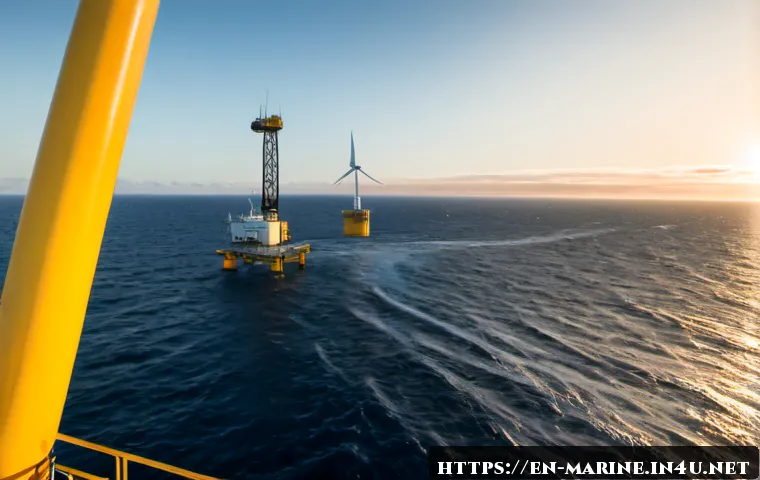
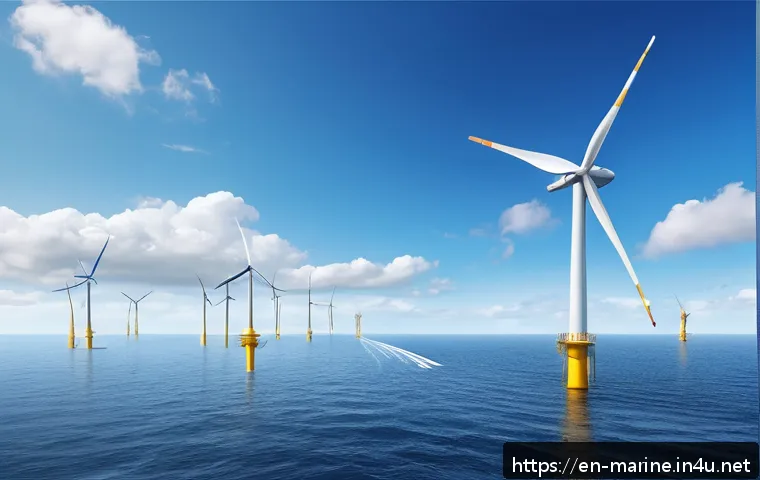
Incorporating renewable energy sources such as wind and solar power into offshore platforms is gaining traction as a way to cut emissions and enhance safety.
I recall visiting a wind-powered platform where hybrid energy systems reduced reliance on diesel generators, which are prone to fire hazards and leaks.
Beyond environmental benefits, renewables improve operational security by ensuring stable power supply even during adverse weather. This innovation marks a significant step toward cleaner, safer ocean development and offers a blueprint for future projects.
Marine Biodiversity Protection Protocols
Protecting marine biodiversity is integral to sustainable ocean development. Emerging protocols now require detailed environmental impact assessments and the implementation of protective measures like exclusion zones and seasonal work restrictions.
My conversations with marine biologists reveal that these protocols are increasingly informed by real-time monitoring data, which helps adjust activities to minimize harm.
This dynamic management approach ensures that resource extraction coexists with healthy marine ecosystems, preserving biodiversity while supporting economic goals.
Safety Training and Workforce Preparedness in Marine Development
Immersive Virtual Reality (VR) Simulations
Virtual reality has transformed safety training by offering immersive, realistic scenarios without exposing workers to actual hazards. I personally tried VR safety drills and was amazed at how vividly it simulated emergency situations such as equipment failures or rough seas.
This hands-on experience builds muscle memory and quick decision-making skills, which are crucial in high-risk environments. Companies report that workers trained with VR show higher confidence and fewer accidents on the job.
Continuous Skill Development Programs
Beyond initial training, ongoing education is vital to maintain high safety standards. Many firms now implement continuous learning programs that update workers on the latest safety protocols, technological tools, and regulatory changes.
I’ve noticed that this commitment to lifelong learning fosters a culture of safety where employees feel empowered to raise concerns and suggest improvements.
This culture shift is as important as any technology in preventing incidents.
Psychological Safety and Mental Health Support
Working offshore can be mentally taxing, and psychological safety is gaining recognition as a key component of overall workforce well-being. Initiatives such as confidential counseling services, stress management workshops, and peer support networks are becoming standard.
From interviews with offshore workers, I learned that addressing mental health reduces fatigue and errors, directly impacting operational safety. This holistic approach reflects an evolved understanding of what it takes to protect people in demanding marine environments.
Robotics and Automation Improving Operational Safety
Underwater Drones for Inspection and Maintenance
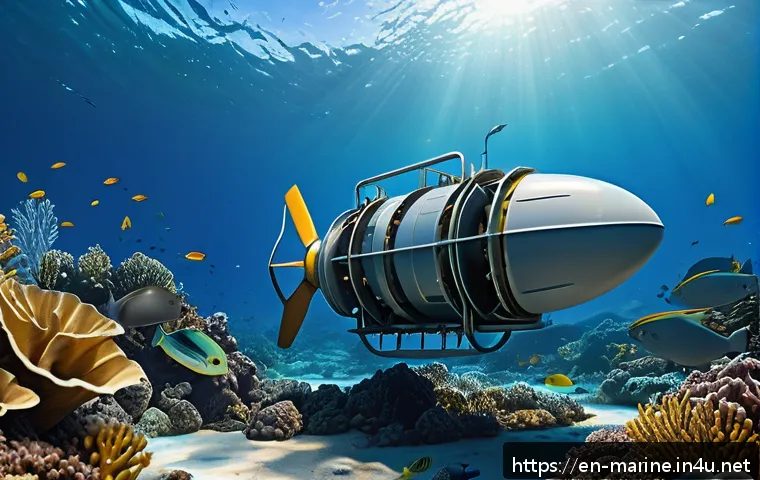
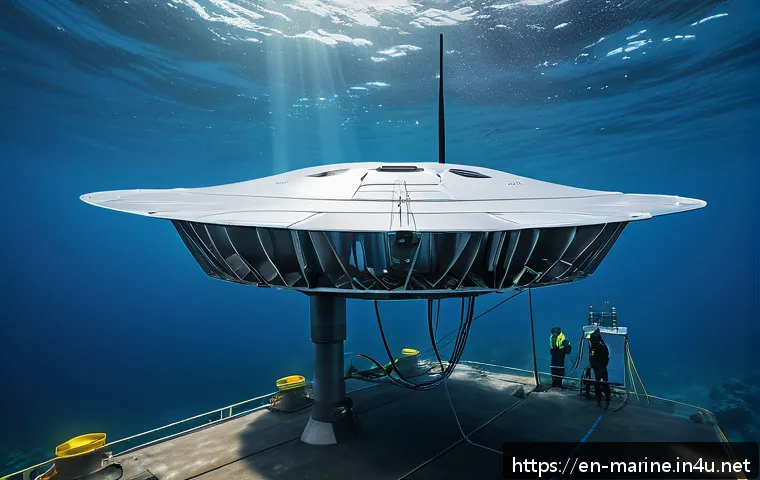
Robotic underwater drones are game changers for inspecting hard-to-reach or hazardous areas on offshore structures. Having observed drone operations, I can attest to their precision in detecting cracks, corrosion, or biofouling without risking human divers.
These drones can operate in challenging conditions for extended periods, providing high-quality visual and sensor data that inform timely maintenance.
Their use drastically cuts down the need for risky manual inspections, enhancing worker safety and reducing downtime.
Automated Systems for Hazardous Task Execution
Automation is increasingly applied to perform dangerous tasks such as chemical handling, welding, or heavy lifting. I’ve seen automated cranes and robotic arms on platforms that maintain consistent performance without fatigue, reducing human exposure to accidents.
These systems are integrated with safety interlocks and emergency shutdown protocols, ensuring rapid response to any malfunction. Automation not only improves efficiency but also elevates safety by removing humans from the most perilous operations.
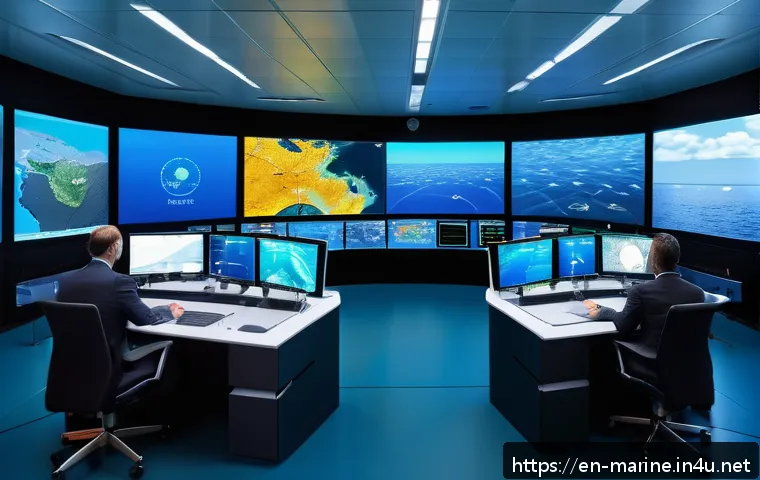
Remote Operation Centers for Enhanced Control
Remote operation centers allow experts to monitor and control offshore equipment from onshore facilities. From a practical standpoint, this reduces the number of personnel needed offshore, lowering risk exposure.
It also enables quick coordination during emergencies since the control center has access to comprehensive system data and communication channels. In my discussions with industry leaders, remote operations are seen as a vital step toward safer, smarter ocean development.
Regulatory Compliance and Safety Standards Evolution
International Collaboration on Safety Protocols
Ocean development crosses national boundaries, making international cooperation essential for harmonized safety standards. Organizations such as the International Maritime Organization (IMO) and regional alliances are actively updating guidelines to reflect technological advances and environmental concerns.
I’ve participated in forums where experts share best practices, ensuring that safety measures keep pace globally. This collaboration helps prevent regulatory gaps that could compromise safety and environmental protection.
Dynamic Risk Assessment Frameworks
Traditional risk assessments are often static and periodic, but new frameworks emphasize continuous, dynamic evaluation using real-time data. This approach allows rapid adaptation to changing conditions such as weather shifts or equipment wear.
From case studies I reviewed, dynamic risk assessments have led to more effective hazard mitigation and fewer incidents. Regulators increasingly mandate this methodology, pushing companies to invest in integrated safety management systems.
Transparent Reporting and Accountability Mechanisms
Transparency in reporting safety incidents and near-misses fosters accountability and learning across the industry. Many jurisdictions now require public disclosure of safety performance metrics, which encourages companies to maintain high standards.
I have observed that transparency not only builds trust with stakeholders but also drives internal improvements as organizations benchmark against peers.
This culture of openness is fundamental to advancing ocean development safety.
Emergency Response Innovations for Marine Operations
Rapid Deployment Rescue Technologies
Cutting-edge rescue technologies such as autonomous lifeboats and aerial drones equipped with first aid supplies have dramatically improved emergency response times.
I was struck by a demonstration where drones delivered medical kits to a simulated offshore accident site within minutes, much faster than traditional rescue boats.
These technologies enhance survival rates by bridging critical time gaps in rescue operations.
Integrated Communication Networks
Effective communication during emergencies is crucial, and integrated networks combining satellite, radio, and mobile technologies ensure uninterrupted connectivity.
Based on my experience in remote offshore zones, these systems enable seamless coordination between vessels, platforms, and onshore teams. They also support automated alerts and real-time updates, which are vital for managing complex incidents efficiently.
Regular Multi-Agency Drills and Simulations
Conducting joint drills involving industry operators, coast guards, and environmental agencies prepares all parties for coordinated response. I attended one such simulation where each stakeholder’s role was clearly defined and practiced, revealing gaps and improving readiness.
These exercises not only test equipment and protocols but also build trust and communication channels essential during real emergencies.
| Technology | Primary Benefit | Impact on Safety | Environmental Consideration |
|---|---|---|---|
| IoT Sensors | Real-time monitoring | Early warning, faster response | Minimal intrusion |
| Satellite Surveillance | Wide-area oversight | Illegal activity detection, environmental tracking | Non-invasive |
| AI Predictive Analytics | Risk forecasting | Proactive maintenance and hazard prevention | Data-driven sustainability |
| Eco-Friendly Drilling | Reduced seabed impact | Less habitat disruption | Biodegradable fluids |
| Underwater Drones | Safe inspection | Reduces diver risk | Non-destructive |
| Automation Systems | Hazardous task execution | Limits human exposure | Energy efficient |
| Renewable Energy | Cleaner power | Lower fire/leak hazards | Emissions reduction |
Conclusion
Advanced monitoring systems and innovative technologies are transforming marine safety by enabling real-time data collection, predictive analytics, and automated operations. These improvements not only protect workers but also minimize environmental impact, fostering sustainable ocean development. Embracing these advancements is essential for the future of safe and responsible marine activities.
Helpful Information
1. Continuous real-time monitoring through IoT sensors allows immediate detection of safety risks, reducing accident rates significantly.
2. Satellite surveillance offers broad coverage that complements local sensors, making it easier to track vessels and environmental changes in remote areas.
3. AI-powered predictive analytics enable proactive maintenance and risk management, helping to avoid costly failures and environmental hazards.
4. Eco-friendly drilling and renewable energy integration are key strategies to lower environmental footprints while maintaining operational safety.
5. Immersive VR training and psychological support programs enhance workforce preparedness and well-being, which are critical for high-risk marine environments.
Key Takeaways
Incorporating advanced technologies such as IoT, AI, robotics, and renewable energy is vital for elevating marine safety and environmental stewardship. A proactive approach combining real-time data, continuous training, and international regulatory collaboration ensures that ocean development progresses sustainably and securely. Emphasizing transparency, mental health, and emergency readiness further strengthens the resilience of marine operations, benefiting both people and ecosystems alike.
Frequently Asked Questions (FAQ) 📖
Q: uestionsQ1: What are the latest technologies improving safety in ocean resource development?
A: Recent advancements like autonomous underwater vehicles (AUVs), real-time environmental monitoring systems, and AI-driven predictive analytics are revolutionizing safety in ocean development.
From my experience following industry updates and speaking with marine engineers, these tools help detect hazards early, optimize operations, and reduce human risk by enabling remote monitoring and precise data collection.
For example, AUVs can explore deep-sea environments without risking human divers, while AI systems analyze vast datasets to forecast potential equipment failures or environmental threats before they occur.
Q: How do these innovations minimize environmental impacts during ocean exploration?
A: Technologies such as advanced sensor networks and eco-friendly drilling techniques play a significant role in reducing the ecological footprint. In projects I’ve observed, continuous monitoring of water quality and marine life allows operators to adjust activities instantly to prevent harm.
Additionally, newer machinery designs focus on lower emissions and less seabed disturbance. This proactive approach not only safeguards sensitive habitats but also aligns with stricter regulatory standards, making sustainable ocean resource management more achievable.
Q: Can these safety improvements lower operational costs in marine industries?
A: Absolutely. While initial investments in cutting-edge technology may seem high, the long-term savings are substantial. From what I’ve seen in case studies and interviews with industry professionals, reducing accidents, downtime, and environmental fines through better safety measures directly improves profitability.
Automated systems also streamline workflows, cutting labor costs and enhancing efficiency. In essence, safer operations translate into fewer disruptions and a stronger bottom line, proving that investing in innovation is smart business.