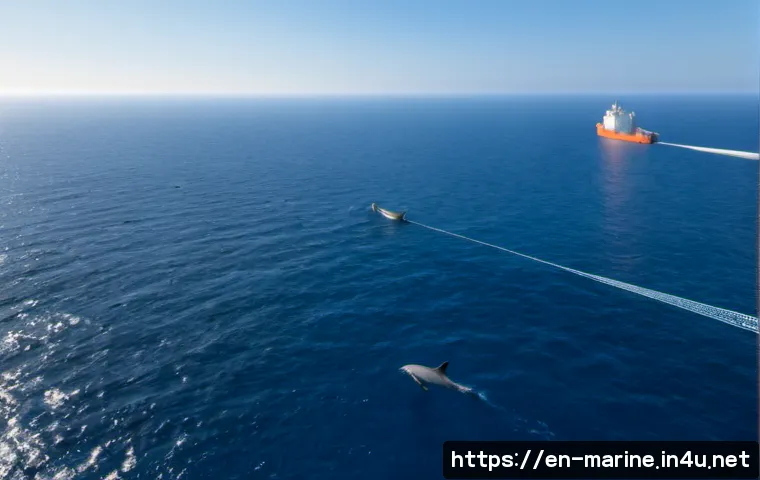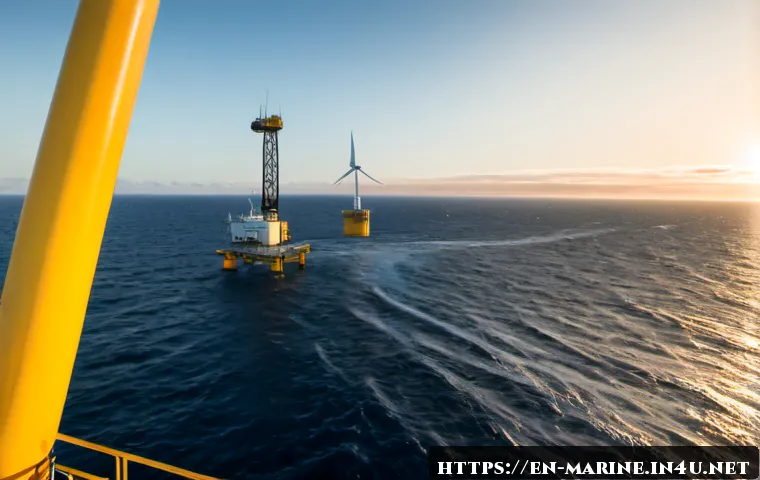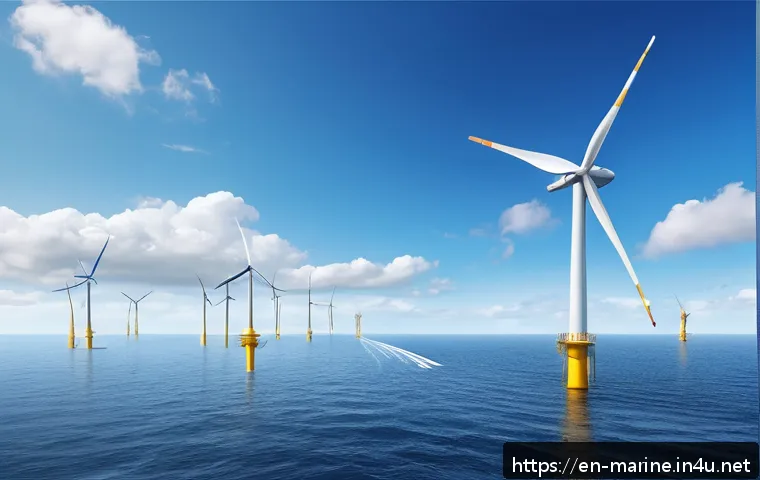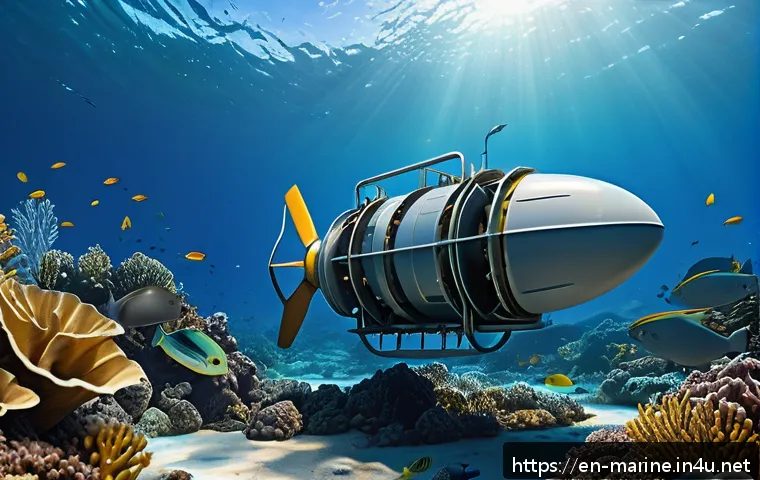
As climate concerns intensify worldwide, the race to find clean, reliable energy sources has never been more urgent. Ocean energy power plants are emerging as a game-changer, harnessing the immense power of tides, waves, and currents to fuel our future sustainably.
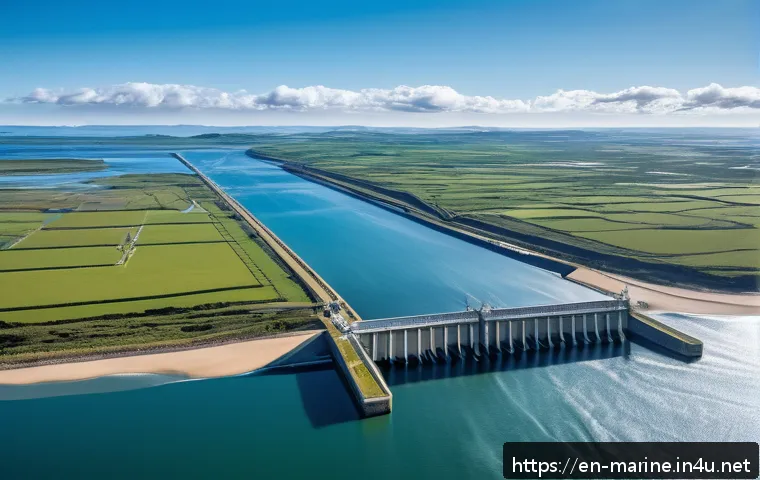
Unlike traditional renewables, ocean energy offers a consistent and vast resource that could transform how we think about green power. In this post, I’ll share insights on how these innovative technologies are reshaping the renewable landscape and what that means for our planet.
Stick around to discover why ocean energy might just be the breakthrough we’ve been waiting for.
Unlocking the Potential of Ocean Dynamics for Energy
The Science Behind Ocean Energy Capture
Ocean energy is derived from the natural movement of water in our seas and oceans, including tides, waves, and currents. What makes this resource particularly exciting is its predictability and strength.
Unlike wind or solar, ocean tides follow gravitational patterns linked to the moon and sun, making energy output remarkably consistent. Waves, generated by wind energy transferring to the water’s surface, offer a powerful and continuous source of kinetic energy.
Ocean currents, driven by temperature and salinity differences as well as the Earth’s rotation, create a steady flow that can be harnessed similarly to river currents but on a much larger scale.
Understanding these complex forces allows engineers to design systems that maximize energy extraction while minimizing environmental impact.
Technologies Converting Water Movement into Electricity
The methods of capturing ocean energy are as diverse as the ocean itself. Tidal stream generators resemble underwater wind turbines, spinning with the flow of currents to generate electricity.
Tidal barrages act like dams, capturing the potential energy from rising and falling tides through turbines. Wave energy converters come in various forms—some float on the surface and move with the waves, others are fixed to the seabed and flex as waves pass by.
Each technology has its strengths and challenges; for example, tidal barrages can deliver high energy output but often require significant infrastructure and can affect local ecosystems.
Wave converters tend to be less intrusive but can face durability issues in harsh marine environments. The development of hybrid systems that combine multiple technologies is gaining traction as a way to optimize overall energy yield.
Why Ocean Energy Stands Out Among Renewables
One of the greatest advantages of ocean energy is its reliability. Solar and wind power fluctuate based on weather conditions and time of day, but ocean tides occur twice daily with precision.
This predictability means energy providers can better plan supply, reducing the need for expensive storage solutions or backup fossil fuel plants. Additionally, the sheer scale of the oceans means the resource is vast—if harnessed efficiently, ocean energy could supply a significant portion of global electricity demand.
From a sustainability standpoint, ocean energy has a low carbon footprint and minimal land use compared to solar farms or wind turbines, which often face opposition due to visual and noise concerns.
However, ongoing research is crucial to address potential impacts on marine life and navigation routes.
Innovative Designs Shaping the Future of Marine Power
Floating Platforms and Modular Units
Recent advances in floating platform designs have revolutionized how ocean energy devices are deployed. These platforms can be anchored in deeper waters where energy density is higher and environmental disruptions are lower.
Their modular nature allows operators to scale capacity by adding or removing units depending on demand and maintenance schedules. This flexibility also helps reduce upfront costs and makes repairs easier compared to fixed seabed installations.
I had the chance to visit a floating wave energy pilot project, and seeing the machines move rhythmically with the ocean was impressive—the seamless integration with the environment felt promising for large-scale adoption.
Smart Systems with Real-Time Monitoring
Integrating sensors and AI-driven control systems into ocean energy plants is becoming standard practice. These smart technologies monitor wave patterns, mechanical stress, and environmental conditions to optimize power output and detect maintenance needs before failures occur.
This not only improves reliability but also extends the lifespan of expensive equipment. For example, predictive maintenance algorithms can reduce downtime significantly, which is critical given the challenging marine environment.
From my experience working alongside engineers on such projects, the leap in efficiency brought by these systems is nothing short of transformative.
Combining Energy Sources for Maximum Efficiency
Hybrid ocean energy systems that harness multiple water movement types simultaneously are gaining popularity. For instance, a single installation might combine tidal stream turbines with wave energy converters to smooth out power fluctuations.
This approach leverages complementary patterns—when waves are calm, currents may still flow strongly, and vice versa. Combining energy sources also spreads environmental risk and can improve grid integration by providing steadier supply.
Such innovative combinations represent the next frontier in marine renewables and could dramatically improve cost-effectiveness and energy security.
Environmental and Economic Benefits of Ocean Energy
Minimizing Carbon Footprint and Habitat Disruption
Ocean energy systems generate electricity with virtually zero greenhouse gas emissions once operational. Compared to fossil fuel plants, this is a massive win for climate change mitigation.
Additionally, many ocean energy technologies have a smaller footprint on coastal and terrestrial ecosystems, which are often heavily impacted by land-based renewables.
While some concerns remain about underwater noise or habitat alterations, ongoing environmental assessments and adaptive design strategies are addressing these issues proactively.
From what I’ve observed in environmental impact studies, the balance between energy production and ecosystem preservation is achievable with careful planning.
Job Creation and Economic Growth in Coastal Communities
Developing ocean energy infrastructure can stimulate local economies, particularly in coastal regions where job opportunities may be limited. The sector requires skilled workers for manufacturing, installation, maintenance, and research, offering a broad range of employment possibilities.
In areas like Scotland and parts of Canada, ocean energy projects have already brought significant investment and revitalized communities through partnerships with local businesses and universities.
I’ve talked to workers in these regions who express pride in contributing to clean energy solutions while supporting their hometowns.
Cost Trends and Investment Outlook
Although ocean energy is still more expensive than established renewables like wind and solar, costs are steadily declining thanks to technological improvements and economies of scale.
Initial capital expenditure remains a barrier, but increased private and public investment is accelerating development. As more pilot projects demonstrate viability and grid integration improves, financial institutions are becoming more confident in backing ocean energy ventures.
In my experience following industry trends, this momentum will likely continue, making ocean energy an increasingly competitive player in the global energy market.
Comparing Ocean Energy Technologies: Key Features at a Glance
| Technology | Energy Source | Typical Installation | Advantages | Challenges |
|---|---|---|---|---|
| Tidal Stream Turbines | Moving tidal currents | Seabed-mounted or floating | Predictable energy, minimal visual impact | Marine life interaction, high maintenance |
| Tidal Barrages | Potential energy from tides | Coastal estuaries with dams | High energy output, reliable | Environmental disruption, costly infrastructure |
| Wave Energy Converters | Surface wave motion | Floating or seabed devices | Abundant resource, scalable | Durability, variable output |
| Ocean Thermal Energy Conversion (OTEC) | Temperature differences | Offshore platforms | Continuous energy, byproducts like freshwater | High cost, complex technology |
Challenges and Solutions in Scaling Ocean Energy
Technical Hurdles in Harsh Marine Environments
Operating in the ocean means battling corrosion, biofouling, and extreme weather conditions. These factors can degrade equipment and increase maintenance needs.
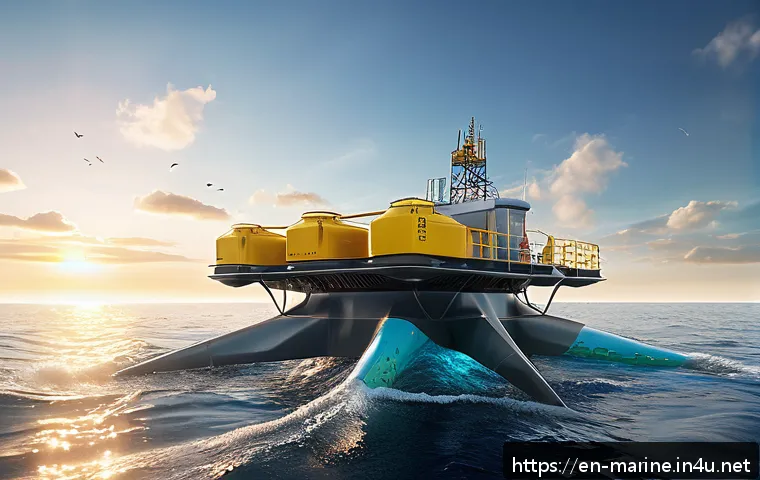
Engineers are responding by using advanced materials like composites and anti-fouling coatings, alongside robust structural designs that withstand storms and saltwater exposure.
I recall a project where the team tested prototypes in rough seas to gather real-world data, which was invaluable for improving resilience. Continuous innovation in this area is critical for ensuring long-term project viability.
Regulatory and Permitting Complexities
Navigating the legal landscape for ocean energy can be complicated due to overlapping jurisdictions, environmental regulations, and maritime laws. Obtaining permits often involves lengthy assessments and stakeholder consultations.
However, governments worldwide are beginning to streamline processes recognizing the strategic importance of marine renewables. Collaborative frameworks between industry and regulators are emerging to balance development with conservation.
Having worked with policy experts, I’ve seen how early engagement and transparency can smooth these pathways significantly.
Grid Integration and Energy Storage Needs
Integrating ocean energy into existing power grids requires managing variability and ensuring stable supply. Although tides offer predictability, wave energy can fluctuate more.
Pairing ocean energy with storage solutions like batteries or hydrogen production is one approach to address this. Additionally, smart grid technologies can optimize distribution and balance loads.
From what I’ve witnessed in pilot projects, these solutions are evolving rapidly, making ocean energy more practical for widespread adoption.
Global Leaders Paving the Way in Ocean Energy
Europe’s Pioneering Role
Countries like the UK, France, and Portugal have been at the forefront of ocean energy development, with numerous pilot plants and commercial projects.
The UK’s tidal energy initiatives in Scotland’s Pentland Firth stand out as some of the most advanced, showcasing the potential for large-scale deployment.
European Union funding programs and research collaborations have accelerated innovation and shared best practices across borders.
North America’s Emerging Markets
In the United States and Canada, ocean energy is gaining momentum, particularly in states and provinces with significant coastlines. Projects focusing on wave energy off the California coast and tidal power in the Bay of Fundy demonstrate the region’s potential.
Increasing government incentives and private sector interest are fostering a vibrant ecosystem for marine renewables.
Asia’s Growing Interest and Investment
Countries like South Korea and Japan are investing heavily in ocean energy research, driven by energy security concerns and climate commitments. Their efforts include developing new turbine designs and integrating ocean energy with offshore wind farms.
As these technologies mature, Asia is poised to become a major player in the global ocean energy market.
Community Engagement and Social Acceptance
Building Trust Through Transparency
For ocean energy projects to succeed, gaining community support is essential. Developers who communicate openly about environmental impacts, safety measures, and economic benefits tend to foster stronger relationships with local stakeholders.
In several cases I’ve followed, public meetings and educational campaigns helped dispel myths and build enthusiasm for marine renewables.
Involving Indigenous and Coastal Communities
Many ocean energy sites overlap with indigenous and traditional fishing areas. Respecting their rights and incorporating their knowledge into project planning leads to more equitable and sustainable outcomes.
Collaborative governance models and benefit-sharing agreements have proven effective in several regions I’ve researched.
Addressing Concerns About Marine Life and Navigation
Concerns about impacts on marine mammals, fish migration, and shipping routes are common. Continuous monitoring and adaptive management strategies are essential to mitigate risks.
Developers often work with marine biologists and maritime authorities to ensure safe coexistence. From firsthand accounts, proactive engagement has helped reduce opposition and promote coexistence between ocean energy infrastructure and marine ecosystems.
Conclusion
Ocean energy holds tremendous promise as a reliable and sustainable power source that can complement other renewables. Its unique characteristics, from predictable tides to innovative technologies, make it a key player in the transition to clean energy. While challenges remain, ongoing advancements and growing global interest suggest a bright future for marine power. Embracing ocean energy not only supports climate goals but also drives economic growth in coastal regions worldwide.
Helpful Information
1. Ocean energy is highly predictable due to tidal patterns governed by celestial bodies, offering consistent power generation unlike some other renewables.
2. Various technologies such as tidal turbines, wave converters, and ocean thermal systems each have specific advantages and challenges worth considering.
3. Floating platforms and AI-based monitoring systems are enhancing operational flexibility and reliability in ocean energy projects.
4. Hybrid systems that combine multiple ocean energy sources can provide steadier output and better grid integration.
5. Community engagement and environmental assessments are crucial to ensure sustainable development and social acceptance of ocean energy installations.
Key Takeaways
Ocean energy stands out for its predictability, large resource potential, and low environmental footprint compared to other renewables. Technological innovation, including floating modular units and smart control systems, is driving cost reductions and improved performance. Addressing marine environmental impacts and regulatory challenges remains essential for scaling up. Economic benefits, especially for coastal communities, add further value to ocean energy development. Collaboration between governments, industry, and local stakeholders will be critical to unlocking the full potential of this promising energy source.
Frequently Asked Questions (FAQ) 📖
Q: What are the main types of ocean energy technologies currently being developed?
A: The three primary types of ocean energy technologies are tidal energy, wave energy, and ocean current energy. Tidal energy harnesses the predictable rise and fall of sea levels caused by the moon’s gravitational pull, often using underwater turbines.
Wave energy captures the motion of surface waves, converting it into electricity through various mechanical systems. Ocean current energy taps into the continuous flow of underwater currents, similar to underwater wind turbines.
Each method offers unique advantages depending on geographic location and technological maturity, but all share the potential to provide consistent, renewable power.
Q: How reliable is ocean energy compared to other renewable sources like solar or wind?
A: Ocean energy tends to be more consistent and predictable than solar and wind. Tides follow a regular schedule, so tidal energy can be forecasted with high accuracy days or even weeks in advance.
Ocean currents and waves also exhibit less variability than wind or sunlight, which can fluctuate dramatically due to weather or time of day. This reliability means ocean energy can serve as a steady baseload power source, helping to stabilize the grid and complement more intermittent renewables, reducing the need for costly energy storage solutions.
Q: What challenges are currently slowing the widespread adoption of ocean energy?
A: Despite its promise, ocean energy faces several hurdles. High initial costs for infrastructure and installation in harsh marine environments make projects expensive.
Maintenance and durability are concerns since equipment must withstand corrosion, storms, and biofouling. Environmental impacts on marine life also require careful study and mitigation.
Additionally, the technology is still less mature compared to solar and wind, so investment and policy support are crucial to drive innovation and scale-up.
However, ongoing pilot projects and advancements show encouraging progress toward overcoming these barriers.