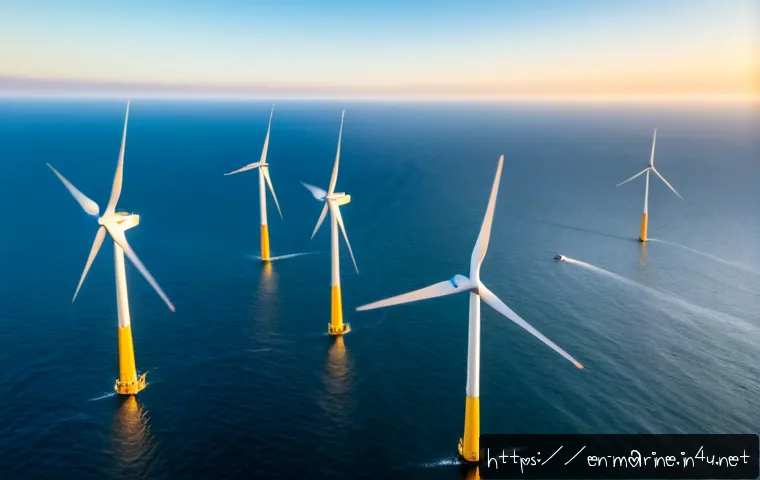
Offshore wind produces electricity without direct combustion emissions during operation, but it can also affect marine wildlife, habitats, fisheries, navigation, and coastal uses.
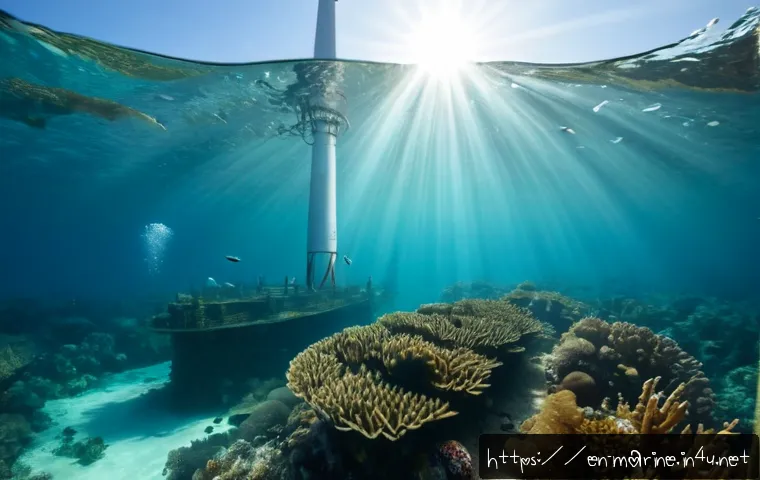
The environmental result of any one project depends heavily on its location, design, construction methods, baseline conditions, and follow-up monitoring.
For communities and project teams, the practical question is not whether impacts exist, but whether the evidence, mitigation, and accountability plans match the site’s real risks.
Environmental impact assessment services, marine monitoring technology, and permitting advice can be useful where decisions depend on species, seabed, or navigation data.
A strong review separates each project phase instead of treating offshore wind as one single activity. It should also distinguish proposed mitigation from verified environmental performance.
At a Glance
- Offshore wind can generate electricity without direct combustion emissions during operation.
- Potential effects vary across survey, construction, operation, maintenance, and decommissioning.
- Site-specific baseline surveys and post-construction monitoring are essential for judging a project’s likely environmental trade-offs.
| Decision Area | Evidence to Review | Possible Mitigation Direction | When Specialist Support Helps |
|---|---|---|---|
| Marine mammals and fish | Baseline wildlife observations, underwater noise assessment, vessel activity plans | Seasonal timing, observation procedures, noise-reduction measures | Marine ecology and acoustic monitoring services |
| Seabed and cable routes | Habitat mapping, sediment information, cable route review | Route refinement, habitat protection, restoration planning | Marine survey and environmental consulting teams |
| Birds and bats | Migration routes, weather conditions, turbine layout, species records | Site and layout adjustments, monitoring plans | Bird and bat monitoring expertise |
| Fisheries and navigation | Access plans, navigation changes, local operating rules, stakeholder input | Communication procedures and operational planning | Permitting and maritime planning specialists |
What Offshore Wind Changes in the Marine Environment
The climate and air-quality benefit of low-carbon electricity
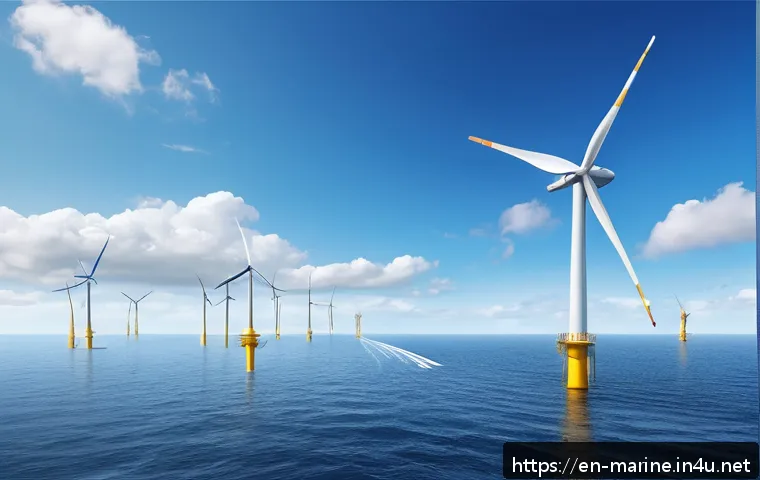
Offshore wind projects can produce electricity without direct combustion emissions during operation. That is a meaningful environmental benefit when compared with power generation that relies on burning fuel. However, this operational benefit does not remove the need to examine local effects on marine ecosystems and coastal users. A balanced project evaluation considers both the low-carbon electricity benefit and the environmental risks created by project activities.
Why environmental effects depend on location and project phase
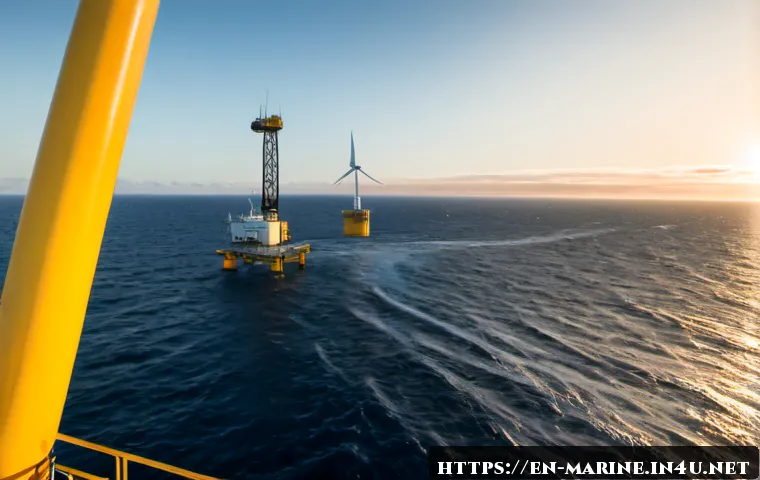
An offshore wind site changes over time. Survey work may involve vessels and equipment. Construction can involve pile driving, cable installation, and increased marine traffic. Operations and maintenance may change navigation patterns around turbines, foundations, and subsea cables. Decommissioning can bring another period of activity. A project should not be evaluated as if every phase has the same risk profile.
A three-line summary for decision-makers and local stakeholders
Offshore wind may support lower-carbon electricity during operation. Its local environmental effects depend on the species present, habitat conditions, migration patterns, fisheries activity, vessel use, and project design. The most credible proposals show how baseline data, mitigation commitments, and ongoing monitoring fit together.
Comparing the Main Environmental Risks and Evidence Needed
Marine mammals, underwater noise, and vessel disturbance
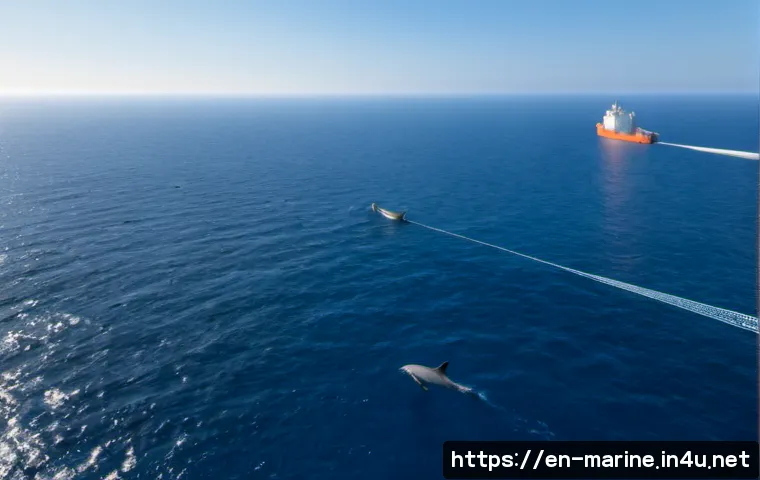
Pile driving and other construction activities can introduce underwater noise that may affect marine mammals and fish. Vessel traffic may also create disturbance concerns. A useful environmental impact assessment should explain what baseline information was collected, which activities may create noise or disturbance, and how wildlife observation procedures will work during relevant project stages. Acoustic monitoring may be worth considering where underwater noise is a central permitting or ecological concern.
Seabed habitat, sediment movement, and cable routes
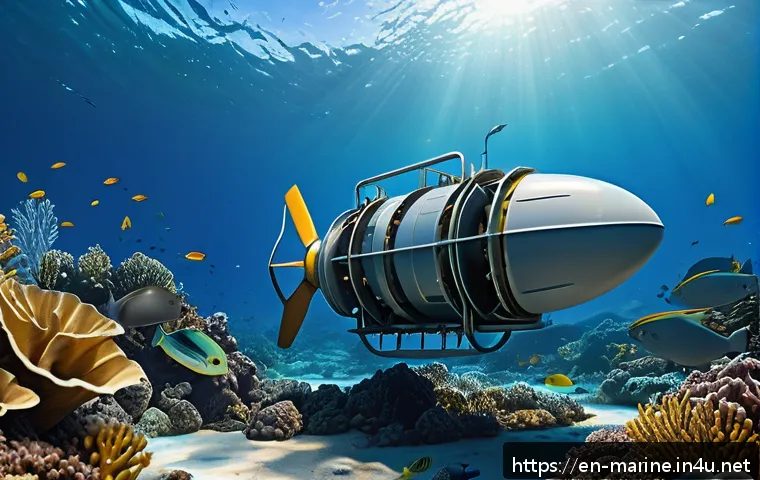
Turbine foundations and subsea cables can alter local habitat conditions. Cable routing and installation methods deserve careful review because they may affect seabed areas beyond the turbine locations themselves. Look for clear habitat mapping, an explanation of route selection, and a plan for avoiding or limiting disturbance where possible. Restoration planning should be described as a project commitment, not assumed as an automatic outcome.
Birds, bats, migration routes, and turbine placement
Bird and bat collision or displacement risk can depend on species, migration routes, weather, turbine layout, and site conditions. A general statement that offshore wind has limited effects is not enough for a site-specific decision. Review whether the assessment identifies relevant wildlife patterns and whether the proposed monitoring can test assumptions after the project begins operating.
Fisheries, navigation, and access to working waters
Fisheries may experience temporary access restrictions, navigation changes, or operational impacts depending on local rules and project design. These issues should be addressed early, not treated as a final communications task. A practical review asks how fishing activity and vessel movement were considered, what access limitations may apply, and how changes will be communicated throughout construction and operations.
Comparison Table: Concern, Monitoring Method, Mitigation, and Decision Impact
| Environmental Concern | Relevant Monitoring Approach | Potential Mitigation | Decision Impact |
|---|---|---|---|
| Underwater noise | Acoustic monitoring and wildlife observation | Noise-reduction methods and timing controls | May affect construction planning and permit review |
| Marine wildlife disturbance | Baseline and follow-up marine ecology surveys | Observation procedures and vessel planning | May influence site selection or operational practices |
| Seabed habitat | Habitat and cable-route surveys | Route refinement and habitat protection | May change infrastructure placement |
| Bird and bat activity | Species and migration monitoring | Layout and monitoring adjustments | May affect turbine placement decisions |
| Fisheries and navigation | Stakeholder input and navigation review | Access planning and communication procedures | May affect construction sequencing and operating rules |
Reducing Harm Through Planning, Construction, and Monitoring
Site selection and seasonal construction timing
Site selection is often the first mitigation decision. A location should be assessed in relation to habitat conditions, wildlife use, migration patterns, fishing activity, and navigation needs. Seasonal construction timing may also be relevant where site conditions or wildlife presence change during the year. The appropriate approach cannot be assumed without local evidence.
Noise-reduction methods and wildlife observation procedures
Construction plans should explain how underwater noise and wildlife observation will be handled. The important review point is not simply whether a mitigation measure is named. Ask whether the method is linked to the anticipated activity, whether responsibilities are clear, and whether the project has a procedure for responding to observations or monitoring results.
Cable design, habitat protection, and restoration planning
Cable design and routing are central to seabed impact management. Strong project documentation identifies the route, explains the environmental basis for that choice, and describes how habitat disturbance will be limited. If restoration is proposed, reviewers should ask what conditions will be monitored and how the project will report the results.
Post-construction monitoring and adaptive management
Pre-construction studies are useful, but they do not prove what will happen after turbines are installed. Post-construction monitoring provides a way to compare assumptions with observed conditions. Adaptive management means using monitoring results to reconsider practices when evidence indicates that a project assumption may not hold. It is not a guarantee that all impacts can be prevented.

Common Evaluation Mistakes for Communities and Project Teams
Treating all offshore sites as environmentally equivalent
Two offshore locations can differ in habitat, species presence, migration routes, fishing use, and navigation patterns. A generic comparison may help identify questions, but it cannot establish the net environmental outcome of a specific project.
Relying on pre-construction studies without follow-up monitoring
Baseline surveys are a starting point, not the finish line. Projects should show how monitoring continues into construction and operations where relevant. Without follow-up, it is difficult to distinguish predicted impacts from observed performance.
Overlooking fisheries communication, navigation planning, and cumulative effects
Environmental review should include working-water concerns as well as wildlife and seabed issues. Fisheries communication and navigation planning affect whether a project can operate with fewer conflicts. Reviewers should also ask whether nearby activities and projects have been considered where that information is relevant.
Confusing a mitigation commitment with verified environmental performance
A written commitment is not the same as a demonstrated result. Look for monitoring scope, reporting responsibilities, data handling, and review points. These details show whether a mitigation plan can be checked over time.
When Environmental Services and Monitoring Tools Are Worth the Cost
When to commission independent baseline surveys
Independent baseline surveys may be worth the budget when existing information is limited, when the site has potentially sensitive habitat or wildlife use, or when stakeholders disagree about the adequacy of available evidence. An independent scope can also help separate project assumptions from the evidence needed for an informed decision.
Choosing marine ecology, acoustic, and bird-monitoring expertise
Select expertise based on the project’s main uncertainties. Marine ecology support may be useful for habitat and wildlife questions. Acoustic monitoring expertise may be relevant where construction noise is a key issue. Bird-monitoring specialists can help evaluate migration, displacement, and turbine-placement questions. The goal is not to buy every service, but to match the scope to the site’s material risks.
Comparing vendor proposals: scope, data ownership, reporting, and permit fit
When reviewing offshore wind consulting or marine monitoring technology proposals, compare the scope of work, monitoring methods, reporting format, data ownership, and alignment with permitting requirements. Ask whether the proposal covers baseline work, construction support, operational monitoring, or only one phase. A lower-cost proposal may not be comparable if it excludes the evidence or reporting needed for the decision.
Selection Criteria and Comparison Summary
Before supporting, funding, or contracting for an offshore wind project, check whether the assessment is site-specific, whether major risks are linked to evidence, and whether mitigation is paired with monitoring. Confirm who owns the data, who receives reports, and how results will be reviewed during construction and operations. Prioritize higher-risk issues such as underwater noise, sensitive habitat, migration routes, fisheries access, and navigation changes rather than spreading the budget evenly across every topic. Review whether environmental consultants and monitoring providers can meet the project’s permitting criteria and reporting needs. For official requirements and detailed service conditions, check the relevant provider or regulator page.
In Closing
Offshore wind can contribute low-carbon electricity during operation, but responsible development requires more than a broad environmental claim. The quality of a project depends on location-specific evidence, realistic mitigation, and monitoring that continues beyond initial approval. Communities, investors, and project teams should focus on whether the plan can be tested and adjusted over time. That is the clearest path to a more accountable environmental review.
Useful Information to Keep in Mind
Project phase matters: survey, construction, operation, maintenance, and decommissioning can create different environmental questions.
Monitoring has a purpose: it helps test whether assumptions made during planning match observed conditions.
Data terms matter: clarify access, ownership, reporting frequency, and responsibility for interpreting results.
Local users matter: fisheries and navigation concerns should be addressed through practical planning and communication.
Important Considerations
No general article can determine the environmental outcome of a particular offshore wind project. Exact effects on species, fish stocks, local fishing income, project costs, timelines, permit conditions, and the success of specific mitigation measures require developer, regulator, contractor, and site-specific monitoring documentation. A proposed measure may reduce risk, but it cannot be assumed to fully prevent impacts in every location.
Frequently Asked Questions
Q1. Is offshore wind environmentally friendly overall?
A1. Offshore wind can generate electricity without direct combustion emissions during operation, which is an important potential benefit. Its overall environmental outcome for a specific project still depends on local conditions, project design, construction activity, mitigation, and post-construction monitoring.
Q2. How does offshore wind affect whales, dolphins, and other marine mammals?
A2. Construction activity, including pile driving, can introduce underwater noise that may affect marine mammals and fish. Vessel activity may also create disturbance concerns. The likely effect at a particular location requires site-specific baseline surveys, construction planning, and monitoring.
Q3. What should a community or business look for in an offshore wind environmental impact assessment?
A3. Look for site-specific baseline evidence, clear treatment of construction and operational phases, discussion of marine wildlife, seabed habitat, birds, fisheries, and navigation, plus a detailed mitigation and monitoring plan. It is also important to confirm reporting responsibilities, data access, and how the project will respond if monitoring identifies unexpected effects.